

NAVIGATION
I’ve been raising Muscovy ducks for a while now on my homestead, but when I was just getting started, one of the first things I wanted to know was: what do Muscovy Ducks eat? I did some research and asked neighbors, friends, and books, but ultimately, I learned from doing and seeing what worked. And, just as importantly, I learned what I shouldn’t be feeding Muscovy ducks. I’ve got some tips for you on how to provide these birds with a hearty, nutritionally balanced diet.

Hi, I’m Ryan
A few years back, I was looking to add some variety to the poultry I was raising on my homestead. That’s when I decided to start raising Muscovy Ducks. I knew it was important to quickly figure out what the best food for Muscovy ducks is to ensure a healthy, happy flock.

What Do Muscovy Ducks Eat?
If you are considering raising Muscovies, it’s natural to wonder, what do Muscovy ducks eat? Similar to other duck varieties, they’re omnivorous, with their diet including a mix of both plants and animals.
 While Muscovy ducks like to be near water, they don’t spend as much time in the water as some other ducks do. Still, they’re nice to have on the homestead if you have a pond because they help to manage plant growth by consuming aquatic plants, and they are key in preventing excess algae from overtaking the pond.
Muscovy ducks are foragers, and they’re happy to find most of their food on their own from around the homestead. Depending on what they can forage from your land, some farmers provide protein-rich Muscovy duck food, especially in the colder months, when grazing becomes difficult, adding calorie-rich feed like corn to increase body fat.
The Importance Of A Balanced Diet For Your Muscovies
I’ve learned firsthand that the best food for Muscovy ducks includes both a variety of foods that they like and foods that provide the best combo of nutrients necessary to ensure good health. Since they are opportunistic feeders and enjoy the process of foraging, it could be that your homestead farm already provides a lot of great food options, and it’s helpful to mimic nature as much as possible.
Just as with human diets, it’s important to find the right balance. There might be foods that Muscovy ducks like to eat, but they have adverse effects on their health and should be avoided.
8 Different Things to Feed Your Muscovy Ducks
Determining what to feed Muscovy ducks is not a difficult task in and of itself. As I mentioned, Muscovies like to eat a wide array of plants and animals provided by nature. But, if you don’t already have access to water on your homestead, it’s a great time to think about creating a pond.
Like all duck varieties, Muscovy ducks are used to being near bodies of water and find a large part of their diet among the aquatic plants and algae. Knowing what to feed them involves finding the right balance of greens, proteins, minerals like calcium, and the grit that aids in their digestion. Let’s jump into what these ducks can eat.

1. Store-Bought Duck Feed Is A Great Option
If you’re going for store-bought, the best feed for Muscovy ducks is an organic pelleted feed specially designed for waterfowl as a supplement to what the ducks will forage on your homestead. I’ve found that pelleted feed works best to reduce waste, whereas mash feed leaves a lot of food waste, which also seems like a waste of money. Chicken feed is often cheaper, and it will suffice in a pinch, but using the same all-purpose feed for chickens and ducks long-term is not the best idea because it will not meet all of the nutrition requirements necessary for growing healthy Muscovies and could result in sickness over time. A 20% protein feed is key in the first weeks of life and can gradually be stepped down to 14% protein, or 16% when your ducks are laying.
2. Corn Is Safe For Muscovy Ducks To Eat
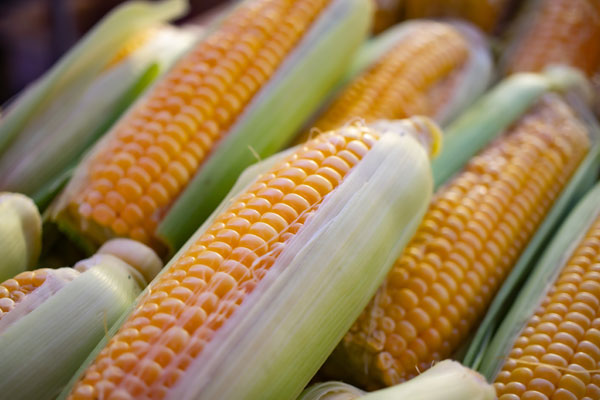
Can Muscovy ducks eat corn? Yes, corn is a great option and can be a part of their diet year-round. It’s tolerated well and offers a substantial amount of calories, which is perfect since they like to be on the move and burn a lot of energy. Some growers and homesteaders choose to use corn in the winter when foraging is not as easy and to bolster the birds with an extra layer of body fat to get through the colder months. When you choose what to grow on your farm, you want to consider what will make great food on your table in in your recipes — but keeping your animals fed is another important consideration.
3. Bugs: A Great Source Of Protein
What can Muscovy ducks eat when it comes to bugs? Insects are another important part of these birds’ diets. They’ll happily consume anything from worms to slugs and grubs to beetles, which means that they’re highly useful to keep around a farm, much like chickens. They’re even a fan of mosquitos, which provide a great health benefit to people and animals alike. I know I appreciate their pest-control skills when I’m outside enjoying a summer night with friends around the fire.
4. Muscovy Ducks Can Eat Eggs
It might seem like a weird question, but can ducks eat eggs? They definitely can. The Muscovy duck diet is not limited to plants and small animals like insects. However, be aware that if your ducks are doing this regularly, it may indicate a calcium deficiency, which is frequently seen in females when they are laying eggs. In that case, you may want to add additional calcium to their diet, which can easily be accomplished by adding other birds’ eggshells or the shells of crustaceans like oysters into their feed.

5. Fruits And Vegetables Are A Nutritious Option
Can ducks eat fruit? Most definitely. Fruits are a great treat for ducks, including Muscovies. Some common farm fruits that they love include apples, berries, melons, peaches, plums, and nectarines. You’ll want to watch the seeds and pits, though – since ducks swallow their food whole, pits can be a choking hazard.
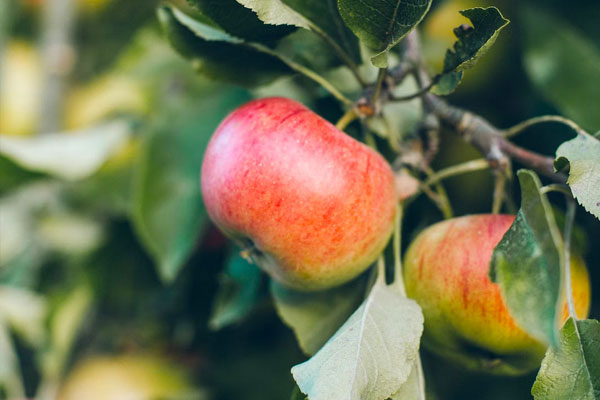 Muscovy ducks love apples, but apple seeds contain cyanide, which isn’t harmful in small doses but can add up if they consume a lot of it over time, so I try to stay on top of how many apples they’re eating or cut up the apples and remove the seeds so I don’t have to worry about it.
When I was first trying to figure out what vegetable ducks can eat, I tried just about everything. I found that Muscovy ducks can eat most vegetables that we can—anything from green beans to broccoli to carrots. There are, however, a few important exceptions to take note of below.
6. Some Greens Are Great For Muscovies
Can ducks eat herbs? Weirdly, that’s also a yes. But what herbs can ducks eat? If you’re already keeping chickens, ducks will eat a similar range of greenery; no herbs are off-limits. Just about all types of weeds are tasty to Muscovies and even flowers like nasturtiums, marigolds, and bee balm. If you’re growing these flowers to appeal to pollinators or for other purposes in your gardens, you’ll want to prevent the Muscovy ducks from getting to them or they’re likely to eat them all. You can do this by elevating your garden beds, installing fencing, or monitoring your duck flock while they graze.

7. Muscovy Ducks Will Eat Your Kitchen Scraps
It makes sense to ask: can ducks eat kitchen scraps? And, most of the time, the answer is yes. They can, if the scraps are not too far removed from their usual diet. You don’t want to feed ducks something with artificial colors and flavors or a lot of added sugar. However, feeding ducks some of the kitchen scraps is a great way to deal with food that’s unappealing, like a head of lettuce that the slugs got to first.
Ducks tolerate cooked and raw vegetables — I just chop the scraps into pieces if they aren’t already bite-sized to avoid choking hazards. Feeding scraps to your ducks, along with maintaining a compost pile, is a great way to minimize waste on your homestead. Using scraps to feed your birds, as a supplement to commercial feed, is also a great way to make raising poultry affordable.
8. Special Treats For Your Muscovy Ducks
One of the easiest ways to keep your flock content is to have a stash of duck treats. There are some foods that ducks absolutely love but which should only be given in moderation, and that’s where treats come in.
Knowing your Muscovy ducks’ favorite food is a simple way to keep them happy on your homestead, curbing their urge to roam further afield looking for sustenance. Protein-rich treats such as crickets, mealworms, slugs, and small fish like minnows are perfect. Muscovies also enjoy grains like millet, rice, and even cooked pasta.
What Shouldn’t You Feed Muscovy Ducks?
Now that you know your way around what to feed Muscovy ducks to keep them happy, you might be asking: what can’t ducks eat? They do love a diverse diet, so the list of exclusions is small, but it’s important to know nonetheless.
What To Avoid Feeding Your Muscovies
- Citrus fruits are not a good choice because of the adverse effects on their calcium levels, so avoiding citrus is a must.
- Some plants are also toxic to ducks including vetch, pennyroyal, and milkweed. So, if you have a pollinator garden, carefully consider its location and keep the ducks away.
- Though these ducks can eat a wide variety of vegetables, some are toxic. Eggplant, rhubarb, avocado (any part), and tomato greens (as part of the nightshade family, like potatoes) are all unsafe for these birds.
- Nuts are not good for these ducks, so stay away from offering them nuts — they might try to eat them but will likely suffer indigestion afterward.
Muscovy Ducks Nutrition FAQs
Bread Products Should Be Avoided
Can Muscovy ducks eat bread? The reality is they will eat bread and crackers if they are given to them or kept within their reach. It’s common to see people feeding bread to ducks in parks and lakes. However, it’s a bad idea for a couple of reasons. Bread will fill their stomachs without providing much nutrition, making them feel full so that they don’t seek out other food, ultimately leading to malnutrition. Also, bread that is uneaten and sits out is at risk of getting mold, which should not be ingested by the birds.
Citrus Fruits Aren’t Safe For Ducks
Can ducks eat citrus? While fruits of all types are appealing to ducks, and you might think the vitamins in citrus would be good for them, the acidity in citrus actually inhibits calcium absorption and eventually leads to deficiencies.
It can also cause thin-shelled eggs when your birds are mating, which could lead to egg loss. Save your citrus peels and scraps for the compost pile and use chicken wire or another barrier on your compost bays to keep the ducks out. Keeping a fence between your ducks and any citrus trees you have on the homestead is a good safety measure unless you’re able to pick up fallen fruit on a daily basis.

Don’t Offer Raw Potatoes Or Peels
Can ducks eat potatoes? Potatoes are not a good choice for your duck flock. White potatoes contain solanine, a toxin that can build up in a duck’s body over time, leading to sickness, paralysis, and possibly death.
Can ducks eat potato peels? Potato peels are never a good idea, as solanine is present there, too. As an alternative, you might consider sweet potatoes. Sweet potatoes have a different chemical makeup and are not dangerous.
Fruit Pits, Peels And Seeds Can Pose A Hazard
Can ducks eat cherry pits? Cherry pits contain cyanide which is said to be poisonous over time so, it’s a good idea to avoid that. Pits and seeds from larger fruits like pears, apples, plums, peaches, and apricots can also be choking hazards since ducks tend to eat their food whole. I built a fence to keep my ducks away from my orchards; however, as they’re great at bug control, it’s beneficial to have them spend time in the orchard to eat insects.
 It’s really helpful! So, I hang out and monitor them anytime they’re near my fruit trees, and try to clean up any fallen fruit before I let them in. Spending time with them while they’re helping eliminate pests also gives me a good opportunity to observe my flock and make sure they’re all healthy and thriving.
Can ducks eat orange peels? Not a good idea. It’s best to avoid feeding your Muscovy ducks all parts of citrus fruits, including the peels.
Can ducks eat banana peels? Yes, Muscovy ducks can eat banana peels, but it’s a bit awkward for them, so I chop the peel up into small pieces to make it easier for them to eat and digest.
Don’t Give Your Muscovies Spoiled Or Moldy Food
Since keeping birds can help eliminate food waste, it may seem tempting to throw food that’s past its prime into their pen. However, I highly suggest avoiding any moldy food in your Muscovy duck diet. Muscovy duck food should be fresh and clean to avoid sickening your birds and jeopardizing their immune systems. If you’re raising these birds for meat or eggs, you will want the hardiest, plumpest birds you can raise.
Just like we need to find balance in our diets by eating different food groups, the best food for Muscovy ducks is found in a balanced diet. Good health and strength come from eating the right combination of nutrients, and your flock can achieve this with a combination of foraging, waterfowl feed, and vegetable, garden, and kitchen scraps. Now that you know what Muscovy ducks eat, you’re armed with the information to ensure that they get a good balance.

Your Turn!
- What foods do you have in excess that could help support a Muscovy duck flock?
- What foods could you add to your land that would feed both you and the ducks?