

NAVIGATION
Few things are as daunting to landowners as the idea of building on land that doesn’t perc. As a reminder, perc tests measure how well your soil drains water. And since well-draining soil is crucial for septic systems, failing one may mean your land isn’t suitable for a conventional system.
 Depending on your local laws and regulations, that can bring your building plans to a halt and make your land unsuitable to live on. But with the right approach, a failed perc test is little more than a temporary roadblock.
By taking advantage of modern innovations and thinking outside the box, you might even find an alternative septic system that ends up exceeding your expectations.
From inexpensive DIY solutions to septic systems that improve the environment rather than take away from it, let me show you how to move forward after failing a perc test.

Hi, I’m Ryan
I’ve always said that bathrooms are the most challenging aspect of self-sufficient living. While most people don’t have to think twice about tapping into public sewer lines, homesteaders often rely on septic systems. As a result, failed perc tests have forced me to — both figuratively and literally — dig deep.

What Can You Do With Land That Won’t Perc?
Failing a perc test can be a lot like dominos falling, with one issue quickly leading to another. You’ll probably face some difficulties with obtaining building permits, and there’s a good chance that your property value will drop as a result of the limited building opportunities.
 However, it’s important to remember that perc test results aren’t set in stone. If you failed due to poor soil, you can simply appeal the results and redo the perc test during a more suitable time of year. You can also move the location of your perc test to see if the soil conditions are a little better on another part of your property.
Building on land that failed a perc test due to a high water table may prove a little more challenging, since flooding is a concern. That isn’t to say that installing a septic system will be impossible— you’ll just have to think outside of the box and opt for an above-ground septic tank system or a no-drain field septic system.
Another thing to note is that when it comes to legislation and zoning laws, things may get a little more complicated. Some states have extremely strict regulations that limit which alternatives to septic systems you can install. So if, for whatever reason, you find out that getting a building permit isn’t an option, you might want to consider using your non-percable land for your other interests, like farming, animal husbandry, or growing an orchard.
Septic System Alternatives For Land That Won’t Perc
Traditional septic systems aren’t always an option, so I’ve used everything from outhouses to composting toilets. For the most part, these were enough to suit my needs, but they didn’t offer the same level of convenience as a fully functioning septic system.
Luckily, I was able to pick from a number of alternative septic systems for land that won’t perc These systems are engineered in ways that work in challenging soil types and offer efficient wastewater treatment without a conventional leach field. I’ll cover some of the most common below.
Mound Systems Pros And Cons
Mound systems are above ground septic tank systems that utilize a raised bed to filter wastewater. They’re similar to conventional septic systems, except that the leach field sits above ground rather than underground. They work by using a raised bed filled with sand and gravel to help filter the treated wastewater before it slowly leaches into the surrounding soil. The mound is covered in topsoil, giving it its characteristic shape.
Because they bypass the existing soil by building on top of it, mound systems are exceptionally versatile and are best suited for large areas with shallow or dense soil and/or a high water table. They don’t typically do well in loose, sandy soils or on land with a lot of steep slopes, since both would make it difficult for the mound to retain its shape.
Mound System Pros
- Long life span – With proper maintenance and care, most mound systems can last for 20 to 40 years. That’s a better average than traditional septic systems!
- Works well in challenging soil – Unlike most other alternatives, mound systems are above ground septic systems. That means they can work in soil that is too dense or shallow for traditional septic systems. They’re also a fantastic option if your water table is too high.
- Prevents groundwater contamination – Above ground septic tank systems, like mound systems, can prevent the contamination of groundwater by elevating the treatment process above the ground.
- One of the most common alternative septic systems – Mound systems are one of the most popular septic systems for land that doesn’t perc so finding qualified installers and maintenance workers shouldn’t be too hard.
Mound System Cons
- Can be an eyesore – Mound systems sit above the ground and are nearly impossible to conceal. Instead, they look like large, oddly placed hills. That may clash with your landscaping or may even bring down property value if you want to sell.
- Require a large installation area – Mound systems require more space than other septic systems, which can be an issue for those with smaller lots.
- Vulnerable to certain weather conditions – If you live somewhere where freezing or consistently heavy rains are an issue, a mound system may not function very well.
- Higher installation and repair costs – Mound systems are custom-built for a specific site, so the price of installation can exceed $10,000 to $20,000 depending on the soil conditions, materials, and design. They also require more regular maintenance and monitoring than traditional systems, which further drives up the price.
Aerobic Treatment System Pros And Cons
As a no drain field septic system, aerobic treatment systems are one of the most unique alternative methods to treat and dispose of wastewater. They function more like mini sewage plants than a standard septic tank, and work by infusing the primary treatment tank with oxygen. Next, oxygen-loving bacteria break down waste before the water moves onto a second, third, or fourth chamber.
Some aerobic treatment systems even have specialized treatment stages that use UV light or chlorine to further purify the wastewater. Once treated, the water is sent to a leach field, drain field, or mound to slowly trickle into the environment.
Because aerobic treatment systems require a small drain field and produce exceptionally clean effluent, you can install them virtually anywhere. They work well in both large and small lots, and are one of the best septic systems for clay soil. They’re even safe enough for property near sensitive bodies of water, making them an excellent option if you’re dealing with strict environmental regulations.
Aerobic Treatment System Pros
- Can handle high water usage – Because aerobic treatment systems work quickly and efficiently, they can handle a higher volume of water than most other alternative septic systems.
- Produces high-quality wastewater – Oxygen-rich environments break down waste more efficiently than anaerobic ones, so the treated water produced by aerobic treatment systems is safe enough for even environmentally sensitive locations.
- Smaller environmental impact – Aerobic treatment systems take up little space, produce clean effluent, and can last for over 40 years. That makes them an incredibly environmentally friendly option.
Aerobic Treatment System Cons
- Requires electricity to operate – Aerobic treatment systems require an electricity-powered air pump or compressor to force oxygen into the septic tank. That can drive up your electric bill and put you at risk of outages if the power goes out.
- Needs regular maintenance and inspections – With so many moving components, aerobic treatment systems need regular maintenance and monitoring for mechanical failures.
- High upfront costs – Aerobic treatment systems are extremely pricey, especially for systems that use multiple chambers or disinfecting technology. They generally range from $10,000 to $20,000, but I’ve seen them get as high as $50,000.
Drip Irrigation System Pros And Cons
As the jack-of-all-trades of septic systems, drip irrigation systems can work in even the most challenging properties — including those with shallow soil, clay, and steep slopes. The way they work is simple. Instead of relying on a single PVC pipe, drip irrigation systems use a series of small, perforated tubes to distribute treated wastewater over a wide area of land.
The slow rate of absorption helps prevent the soil from becoming overwhelmed as microorganisms gradually process the wastewater. Newer technology even allows for controlled and timed release of water, making drip irrigation systems a convenient way to care for your lawn and ornamental plant displays.
Drip Irrigation System Pros
- Works well on sloped and irregular terrains – Drip irrigation systems deliver small, steady amounts of water to the surrounding soil. They cause little runoff and soil erosion, making them particularly effective for steep slopes.
- Reduces the risk of water pooling – Because drip irrigation systems spread water over a larger surface area, they’re less likely to saturate the drain field and cause pooling.
- Effectively uses treated wastewater for irrigation – The main appeal of drip irrigation systems is that they reuse treated wastewater for irrigation. While you can’t use this water on your edible plants, it’s fine for landscaping and lawn care.
Drip Irrigation System Cons
- May need electricity to function – Electronic drip systems are convenient, but they’re vulnerable to power outages and need more maintenance to function.
- Not suitable for colder climates – Although they aren’t quite an above ground septic tank system, drip irrigation tubes are kept close to the soil’s surface. That can lead to freezing in colder climates.
- Requires regular maintenance – Drip irrigation systems can require more maintenance, as drip lines are prone to clogging. You’ll also need to keep an eye on the electrical components, which can further drive up costs.
- Can be a little pricier than some options – Installing a drip irrigation system usually costs around $4,000 to $18,000 depending on how technologically advanced they are.
Constructed Wetlands Pros And Cons
Most septic systems are undetectable at best and eyesores at worst, but constructed wetlands are one of the only septic systems for land that won’t perc that are genuinely nice to look at. Equal parts septic system and landscaping feature, a constructed wetland is exactly what it sounds like — a collection of water-loving plants and microorganisms that replicate the look and purifying effects of a natural wetland.
 To start, wastewater travels from the septic tank and into a constructed pond where the plants and microbial life break down and absorb waste, nutrients, and pathogens. Once the water has been treated, a pipe located towards the back of the wetlands transports the water to a drain field where it is released back into the soil.
Because you’re essentially creating a new mini-ecosystem, constructed wetlands can work in most soil conditions. The one caveat is that they require a relatively large, flat lot.
Constructed Wetlands Pros
- Better for the environment – Artificial wetlands double as both a septic system and a habitat for plants and wildlife. And because they rely on natural processes for wastewater treatment, they’re exceptionally environmentally friendly.
- Aesthetically pleasing – Artificial wetlands make an attractive water feature and seamlessly blend into landscaping. In addition to providing an invaluable service, they may even raise your property value.
- Relatively cost-effective – With an average installation cost of $5,000 to $12,000, constructed wetlands are surprisingly affordable.
Constructed Wetlands Cons
- Unsuitable for small lots – Constructed wetlands have to be large enough to effectively filter and treat wastewater through relatively slow natural processes. They need plenty of space, so are best left for larger plots of land.
- Can be higher maintenance – As a miniature ecosystem, you’ll need to care for your wetland as you would any other part of your garden. That means occasional weeding, trimming, planting, and pest control.
- Performance may vary depending on weather – In colder regions, the plants and microorganisms in your constructed wetland may become dormant or less active, reducing the system’s efficiency
- Can encourage pests – Unmaintained wetlands can become stagnant, which increases the likelihood of pests like mosquitos and other insects.
Plastic Chamber Leach Field Pros And Cons
Plastic chamber leach fields are similar to conventional septic systems in that they rely on a septic tank to separate waste into solids and liquids and the natural filtering ability of soil. However, while traditional septic systems rely on gravel-filled trenches to disperse wastewater, plastic chamber leach fields use a series of lightweight open-ended pipes.
Plastic chamber leach fields can work for small or large lots due to their relatively small drain fields and compact designs. They’re also suitable for land with a high or inconsistent water table and are one of the few septic system alternatives that can handle the volume changes that come with a commercial property. You may run into some issues if you have clay, but the tubes are so cheap and easy to install I think they’re still worth considering.
Plastic Chamber Leach Field Pros
- Long-lasting – Plastic chamber leach fields usually last for between 20 to 25 years, but with proper maintenance, they can last for as many as 40.
- Affordable – With an average installation cost of just $5,000 to $12,000, plastic chamber leach fields are one of the more affordable septic systems for land that won’t perc
- They’re easy to install – Plastic chamber leach fields are lightweight and easy to transport. They’re also easy to customize, making the installation process relatively quick and painless.
Plastic Chamber Leach Field Cons
- Not ideal for heavy or compacted soils – Because the chambers can get clogged over time, plastic chamber leach fields don’t work well in heavy and compacted soil.
- Prone to cracks and holes – Plastic chamber leach fields are made from a lightweight material that’s prone to cracking and splitting during installation.
- Limited availability – Unlike some other alternative septic systems, plastic chamber leach fields aren’t permitted in all 50 states.
- Less effective at treating wastewater – Plastic chamber leach fields have less surface area for waste to percolate into the soil, which can result in less efficient filtration and absorption.
Considerations When Choosing A Different Septic System
There are a few different factors that should go into your decision on alternative septic systems for land that won’t perc One of the most obvious factors is the amount you’re willing to spend. In addition to upfront installation costs, there’s also what you’ll spend on maintenance and repair fees. And the more intricate or uncommon the septic system, the higher the potential costs.
There are also legal considerations, as local regulations may dictate which septic systems are allowed.
Other Legal and Regulatory Concerns
Soil type – The permeability of soil affects both conventional and alternative septic systems. Sandy soils may drain too quickly for a particular septic system, while clay-heavy soils may be too slow.
Topography – Flat land is generally more forgiving, but sloped or uneven plots of land can limit which wastewater treatment systems are available to you.
Lot size – Large lots can accommodate more expansive septic systems, but smaller plots of land are limited to more compact systems.
Climate – Temperature plays a big role in how effectively a septic system can run. Property located in areas that freeze frequently may require a septic system with buried or otherwise insulated components.
Water table location – A high water table may necessitate the use of an above-ground septic tank system to avoid groundwater contamination or a system failure.

Can You Make Land Pass A Perc Test?
Alternative septic systems aren’t the only way to make non-percable land habitable, and I’m happy to tell you that there is one failed perc test alternative that doesn’t involve a septic system of any kind. Most sites fail perc tests because the soil doesn’t drain water fast enough, but by improving the quality of your soil you can usually increase its drainage potential.
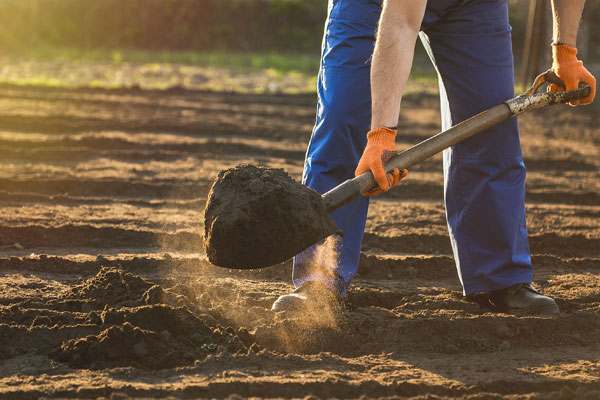 This is a lot simpler than it sounds. I’ve improved my land’s soil quality using the exact same methods I’ve used for treating raised beds. That includes adding sand or gypsum to help break up compacted clay or organic matter and compost to treat poor soil structure.
You can also aerate or till the soil to reduce compaction and improve the distribution of these soil amendments. However, it’s important to mention that soil rehabilitation isn’t viable for everyone. It can be time-consuming, cost-prohibitive, and may not work depending on the reason your site failed the perc test.
Final Thoughts On Failed Perc Test Alternatives
Land that doesn’t perc may seem like a deal breaker, but it doesn’t have to be. There are plenty of septic systems for land that doesn’t perc and many of them can be adapted to even the most challenging soil conditions. I’ve covered quite a few in this article, but this list is far from exhaustive.
These alternative septic systems can not only meet local regulations, but they may even provide environmental benefits, enhance your property value, and save you money in the long run. So, what may feel like a setback might just end up being a stepping stone on your way to something better.
Your turn!
- Would you rather have an eco-friendly or cost-effective septic system?
- What features are most important to you when deciding on an alternative septic system?
Thank you for this helpful introduction and overview of alternative septic system options.
Greetings, I like your comment about using a composting toilet as an alternative. Any suggestions on how to buy land that does not pass a Perc test?
Thanks,
Anisa