

NAVIGATION
There’s no way to get around it: learning how to live off the grid is going to be hard work. However, it also has the potential to be deeply rewarding. So before you dive in headfirst, I want to ask you a few questions. Are you willing to put in the work? Are you willing to learn as you go? Is self-sufficiency worth losing the convenience of modern living?
If you’ve answered yes to these questions, then there’s a chance the off-grid life could be what you’re looking for. Knowledge is power, so I’ve compiled this list of tips for off-grid living to help you understand exactly what you’re signing up for.
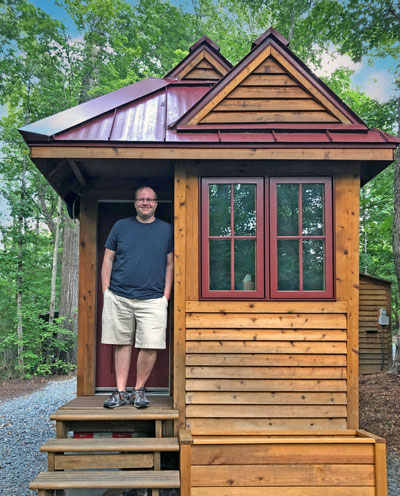
Hi, I’m Ryan
The life of a homesteader is one of continual learning through learning the hard way. Here are some of the hard won lessons I’ve learned in my years of homesteading.

The 20 Tips And Tricks For Successful Off-Grid Living
“How can I go off the grid?” is a question that marks the beginning of a journey toward a more intentional life. While the answer ultimately depends on your expectations and what you want to get out of off-grid life, there is one universal truth.
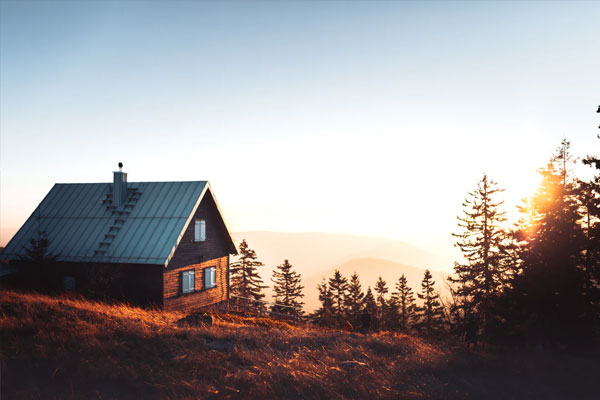 Going off the grid means disconnecting yourself from public utilities. There isn’t going to be a power company to call when a lightning strike takes out your generator, and you won’t be able to rely on the city to come and get your water back up and running.
It will require a complete shift in your mentality, and involve spending long days (and even longer nights) making sure everything runs smoothly. But if you’re anything like me, that’s a small price to pay for independence.
When you first start researching what to know about living off the grid, the sheer volume of information you’ll find can be overwhelming. That’s why I like to think of these living off the grid tips as a crash course in self-sufficiency. Now that we’ve gotten the basics out of the way, let’s dive right in.
1. Understand Off-Grid Laws And Regulations
Knowing how to go off grid legally starts with learning how to navigate local laws and regulations. Zoning laws, waste disposal requirements, and building codes vary depending on your state and county.
They’ll also impact everything from your right to build a home, to the ability to drill a well or clear land. The sheer number of things local laws and regulations will affect makes understanding them one of the most crucial off-grid homestead tips I have to offer.
2. Pick The Right Location
The next off grid tip I want to share is to take your time in picking the right location. Sure, it sounds simple. However, choosing the wrong location can leave you drowning in red tape. And in addition to understanding the local laws and regulations, you’ll need to consider the more practical aspects of living in a given area.
Factors like the climate, growing zones, and local culture will directly affect your experiences. Choosing the right location is one of my off-grid home tips that will either make or break your homestead before you even get started.

3. Secure An Off-Grid Water Source
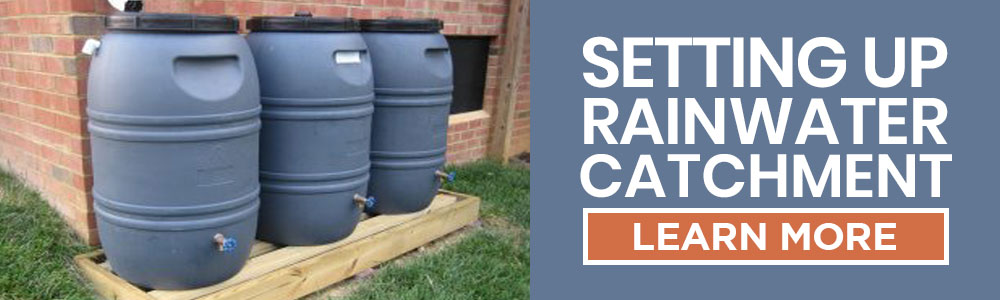
It’s impossible to make a list of off-grid survival tips without addressing water. Water is a necessity, so you’ll need a consistent, year-round supply for drinking, bathing, cleaning, and irrigation. There are a few different water sources you can use, including rain, well, and surface water.
Just remember: the work doesn’t end with acquisition. You’ll also need to work on your filtration and storage systems, making sure everything has a backup in case of emergencies. Trust me, you don’t want a drought bringing your setup to a screeching halt.
4. Choose The Right Power Setup
When first learning how to live off the grid, the idea of being on the hook for all of your power needs can feel daunting. However, your power system has a direct impact on how comfortable and functional your off-grid setup is, and ensuring it holds up to your daily needs is a must.
Solar energy is by far the most popular and one of the most dependable, but it has its limitations. Storms can come in at any time, leaving you without sunlight — and power — for days. That’s why I recommend a combination of solar panels, wind turbines, and biodiesel or gas generators.
5. Manage Waste And Sanitation Systems
Off-grid living tips usually revolve around food, water, and power, but learning how to manage human and household waste is just as important. After all, waste doesn’t just disappear. Whether you opt for composting toilets or do-it-yourself septic systems, managing your own waste will require careful planning, routine maintenance, and a strong stomach.
It also requires adaptability, since you’ll have to play the role of plumber, sanitation worker, and all-around handyman. And keep in mind that this isn’t limited to human waste. How you handle your grey water can affect everything from your garden to your groundwater.
6. Choose A Smart Off-Grid Shelter Or Home Setup
Designing a home setup isn’t a one-size-fits-all problem, so, naturally, there isn’t a universal solution. Some setups are best suited for harsh winters while others shine in hot, arid climates. Either way, it’s important to come up with a design that’s well thought out and high functioning.
Investing in a smart setup will help start you off on the right foot and save you time, money, and effort later down the line. Even something as simple as choosing the right layout is one of the living off the grid tips that will pay off big when you least expect it.
7. Focus On Insulation And Temperature Control
Getting your insulation and temperature control setup working properly isn’t just an off the grid survival tip, it’s a necessity. Insulation helps keep your home cool in the summer and warm in the winter, and trying to keep a poorly insulated home comfortable is a losing battle.
One of the best off-grid home tips I have is to prioritize high-quality insulation materials. The better your insulation is, the less wood, propane, and energy you’ll need to keep your home comfortable year-round.
8. Set Up An Off-Grid Kitchen
The kitchen is often the heart of a home and off-grid kitchens are no exception. But because energy is limited off the grid, it’s important to strike a balance between comfort, functionality, and fuel efficiency. Personally, I think wood stoves are a must, but they’re far from the only option.
Solar ovens, propane stoves, and outdoor grills can all be culinary gamechangers. Just remember, in addition to cooking your food, you’ll need a place to store it. So, make sure your plans include plenty of storage space and an energy-efficient fridge or root cellar.
9. Start Growing Your Own Food Off The Grid
Now that we’ve gotten designing the kitchen out of the way, my next off-grid homestead tip deals with filling it. Growing your own food is not only necessary: it’s one of the most empowering things you’ll ever do. So don’t be afraid to start small with just a few raised beds.
You’ll still gain valuable insight into dealing with inclement weather, pests, and soil quality. And fortunately, you don’t have to figure it all out at once. Creating a reliable food supply doesn’t happen overnight. Even so, each seed you plant will bring you one step closer.

10. Learn To Preserve What You Grow
When it comes to learning off-grid survival tips, the ability to preserve food should be at the top of your list. After all, growing your own food is only one part of the equation. Unless you’re able to preserve that food for year-round consumption, you’re going to be hungry by the time winter comes around.
Luckily, the possibilities are endless when preserving food. Freezing, pickling, canning, dehydration, and root cellaring are all exceptionally beginner friendly. Then, when you’re more comfortable, you can move onto more complex preservation techniques like irradiation or fermentation.
11. Stock Essential Tools And Gear
If I could sum up all of these off-grid tips in just one sentence, it’d be: think of yourself as a jack of all trades. Going off grid requires a diverse set of skills and an equally diverse set of tools. I like to think of these tools as an emergency kit, with each one being the difference between a minor setback and a full-blown disaster.
To keep things running smoothly, invest in high-quality tools that can serve a variety of purposes. Some of my must-haves include fire extinguishers, well-made bladed tools, and a well-stocked first aid kit.
12. Learn Practical Skills Before You Go
Off-grid life differs from modern living in that you’re largely limited by what you can do. In other words, the fewer skills you start with, the more likely it is that you’ll make costly — and potentially dangerous — mistakes.
It’s important to start with a solid understanding of basic plumbing, carpentry, electric work, gardening, animal care, and water filtration. I know it seems like a lot, but, like the rest of these living off the grid tips and tricks, you’ll pick up more skills and understanding as you go.
13. Downsize What You Own
There’s a lot of stuff you should know going off the grid, including the mantra “less is more”. It’s no coincidence that going off the grid and adopting a minimalist lifestyle tend to go hand in hand. Off-grid homes are smaller and living in excess just isn’t practical.
This isn’t to say you’ll have to give up everything that you own. Just think quality over quantity and prioritize items that are functional and multi-purpose. I get it, downsizing can be mentally taxing. Nevertheless, rest assured knowing that decluttering comes with benefits. Less stuff means less stress, less work, and — surprisingly — more freedom.
14. Plan For Basic Financial Needs
If there’s one thing to know about living off the grid, it’s that things are going to be expensive at first. It’s easy to romanticize off-grid life as being completely removed from the financial rat race, but the truth is: money matters.
Whether it’s emergency repairs, an expensive waste management system, or simply refiling your propane tank, going off the grid reduces your expenses. It doesn’t erase them.
Be realistic about your financial needs and have savings you can fall back on. Also, look for ways to make your lifestyle profitable by selling farm goods or renting out extra space.
15. Build A Community Or Network
Another off grid living tip that I can’t recommend enough is to spend time building your community. “It takes a village” isn’t just a proverb — it’s a core tenant of homesteading. The best part is that what your community looks like is entirely up to you.
For some, it can mean moving a handful of your closest friends and family onto a family compound. For others, it can mean networking with like-minded neighbors. Either way, having people to trade produce with, borrow tools from, or help you process livestock will save you time, money, and stress.
16. Always Have Backup Systems
If there’s one thing most off-grid newcomers tend to overlook, it’s the need for a backup system. That said, having a backup system isn’t just a good idea — it’s essential. If something can go wrong, it will, and these off-grid tips and tricks can only do so much.
Even the best laid plans can be rendered useless if a battery fails, your solar panels get damaged, or you experience extreme weather. So, while it may seem like overkill, I even recommend investing in backup power systems for your backup power systems.
17. Prepare For Wildlife And Weather Risks
One off the grid survival tip I learned the hard way is to always expect the unexpected by familiarizing yourself with your local climate and pests. Whether it’s an errant racoon, freezing winters, or dry lightning — nature has a way of exposing any cracks in your plan. While you won’t be able to cover all your bases at all times, a little preparation can go a long way in keeping you and your loved ones safe.
18. Test Your Off-Grid Setup Before Committing
A tip for going off the grid I don’t see talked about enough is the need for a trial run. In addition to showing you what life will be like, testing your setup shows you which areas you need to spend your time and energy improving.
It’s important to test each aspect of your off-grid setup, even if it’s just for a few days or weeks. In the end, a trial run will either give you faith in your setup or show you what still needs work.
19. Cultivate A Resilient Mindset
One of the most overlooked living off the grid tips I have to offer is to work on your mindset. Off-grid life is as much of a mental challenge as it is a physical one, and I can’t tell you how often you’ll be pushed to what feels like your limit.
Even in the best planned setups, things will go wrong. And trust me when I say it, it’s almost always at the worst possible time. The ability to stay calm, maintain a level head, and solve problems on the fly will go a long way in ensuring your success.
20. Don’t Fall For The Common Off-Grid Myths
I can’t tell you how many off-grid setups I’ve seen collapse under the weight of unrealistic expectations. But unfortunately, there are a number of common off grid living misconceptions. Some are inaccurate at best and potentially harmful at worst.
So no, going off grid isn’t necessarily cheaper (especially at first), and it may take months before you’re able to strike the right work-life balance. Dispelling these misconceptions early will help keep you from making costly mistakes further down the line.
Final Thoughts Before You Make The Leap To Live Off Grid
Whether you’re days away from moving onto your dream property or are just starting your research into how to go off grid, I think the most important thing to do is to take things one step at a time. There are a lot of different factors that go into figuring out how to survive living off the grid, each just as important than the last.
 At the end of the day, living off grid isn’t an option for everyone — and there’s nothing wrong with that. But if you don’t mind trading in convenience for independence, are willing to put in the work, and don’t mind getting your hands dirty: I think it’s worth considering.
The best thing about going off grid is that you don’t have to figure everything out before you start. Plenty of homesteaders learn by doing, and going off grid has more to do with persistence than anything else.
Your Turn!
- What do you think is the biggest challenge in living off the grid?
- Which off the grid survival tip are you most excited to try?