

NAVIGATION
There isn’t anything more infuriating than someone telling you what you can do with your own property. Homesteaders, tiny home owners, off-gridders, and anyone leading an independent lifestyle need the freedom to use their land as they see fit. My own years of maintaining my homestead have shown me the necessity of owning unrestricted land for full autonomy in how I live.
If you have dreams of a self-sufficient life and want to build your homestead the way you’d like, learning what unrestricted land is and the best way to find it will be crucial in your own property search.
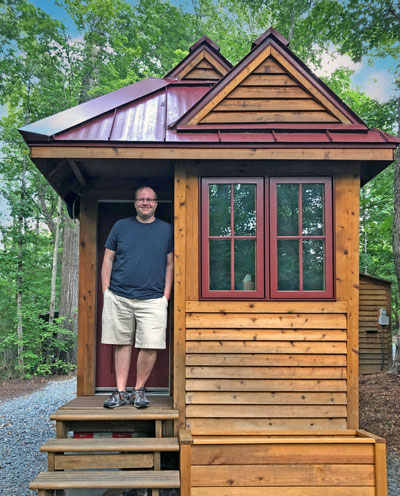
Hi, I’m Ryan
I’ve been homesteading my land for well over a decade now, and I’ve discovered first-hand the importance of unrestricted land for my lifestyle. I’ll explain everything you need to know, from the types of restrictions you’ll want to avoid to how you can find unrestricted land in your area.

What Is Unrestricted Land?
Unrestricted land is property without strict rules or zoning laws, which allows the owner to use it for a variety of purposes, like building a home, farming, or keeping animals. However, most unrestricted land will still come with some limitations.
What Does No Restrictions On Land Actually Mean?
 Property that’s completely free of any restrictions is rare. Ideally, “no restrictions” refers to property with minimal rules about what you can do, but that can be difficult for many homesteaders to find.
Usually, land that is advertised as “unrestricted” is still subject to zoning laws, city ordinances, or other local rules and regulations. During my search for acreage for my tiny house homestead, I discovered it’s essential to research any potential land purchases thoroughly.
Many sellers label their land as unrestricted but aren’t fully aware of the actual limitations, leaving it up to you as the buyer to uncover the truth. It took me 15 months of searching every weekend to find the right plot of land.
To better explain what I mean, let’s look at what the possible restrictions actually are.
Types Of Land Restrictions
Finding land with zero restrictions is something of a novelty, so homesteaders like myself have to look for land with as few restrictions as possible. My lifestyle requires autonomy, so having the freedom to use my land the way I want isn’t just a luxury — it’s essential. .
Those of us who choose to grow our own produce, raise our own meat, and disconnect from the power grid are independent and self-reliant by nature and by choice. Restrictions on our land limit our freedom to be who we are.
While living a simpler lifestyle and living sustainably require land with fewer restrictions, not all restrictions are created equal. As you search for the perfect property, it’s important to weigh the pros and cons of different restrictions before you buy land.

HOA (Homeowners Association) Restrictions are designed to keep communities up to a certain standard of living so that residents can be assured of clean, well-kept properties that are free of eyesores. While these can be beneficial restrictions in some cases, homeowners associations can also keep homesteaders from owning chickens, placing any outbuildings, or having garden plots.
HOA Restrictions Can Control A Number Of Things
- The color of your house, fence, or mailbox
- How many trees you can remove or plant
- If and where you can have vegetable gardens
- What types of grass and landscaping you have
- Whether your vegetation is ornamental enough
- Whether you can camp on your property
- The ability to park an RV on your land
- Pet (or livestock) sizes, types, and quantities
- The amount of noise you make
- The number of people living in your home
- How many vehicles you can have parked
- Where you can park those vehicles

I used to live in a neighborhood with an HOA, and one day I got a letter because my mailbox was the wrong shade of black. No joke. I would suggest being wary of purchasing any property with these kinds of restrictions.
Deed Restrictions Overlap Many HOA Restrictions
- Whether you can run a small business from your home
- The number of rooms you have in your home
- The number of cars you have parked in your driveway
- The types of structures or buildings on your land
- If and where you can place new structures on your land
- Whether or not you can own livestock or pets
- Owning trailers, RVs, campers, and mobile homes
- Whether or not you can have a manufactured house
- Having a subdivided home (most require single family)
Zoning Restrictions
mainly keep you from changing a residentially zoned property into a commercial property, or vice versa. Land marked unrestricted often still falls under residential or commercial zoning, so pay careful attention to this when property shopping.
As a homesteader, I had to look for parcels of land that were at least 10 acres, if not more, because then the county would designate those parcels as “agricultural.” This meant I could put up as many outbuildings as I wanted, and animals were allowed on the land without permits.
City Or Municipality Restrictions
aren’t as commonplace as the other types of restrictions, but they are specific to certain cities or municipalities, governing random things not covered in zoning limitations, like how many acres you need to have in order to install a septic tank.
I used to live in a city that prohibited having a septic tank or a well within 1,000 feet of a city or sewer line. If you were within that limit, you had to use the city sewage and water, and the permit for connection was $11,000! Thankfully, on my new land, I was able to install a septic and well without any issues.

Easement Restrictions
aren’t always readily apparent, so they’re known to take new property owners by surprise. These restrictions give people other than you access to your land — neighbors, city workers, etc. — under certain conditions or for specific uses.
Easement restrictions can limit where you place your driveway or build a fence, and they are common when you have utility lines or sidewalks on your property. Easements were a big factor for me when purchasing land recently, as I needed an easement to access my property. We made sure that my access was granted as easement and recorded.
How To Find Unrestricted Land Near Me
Understanding the meaning of unrestricted land doesn’t necessarily make it any easier to find some in your area, but it does help you make wiser decisions as you search for the perfect plot of land. You can look for unrestricted property in your area with a Google search, by hiring a realtor, or by word of mouth.
Here are a few specific ways to find unrestricted land near you:
- Use Landflip, Landsearch, or Landgate to find unrestricted property anywhere in the U.S.
- Use a knowledgeable agent to scout out land that will meet your specific requirements
- Use listing sites like Homes.com to find homes that have already been built on unrestricted property
While you search, here are a few things to keep in mind to ensure you make a good selection:
- Unrestricted property is often still subject to zoning, easement, and other restrictions
- Land marked unrestricted is highly marketable, so you’ll need to act quickly
- As the buyer, you are responsible for confirming a property’s unrestricted status

Pros And Cons Of Unrestricted Property By Lifestyle
I’ve already alluded to many of the advantages of owning unrestricted land, but I’ll get into more specifics of how these benefits can affect your particular lifestyle below. Overall, the biggest drawback of unrestricted property is that the people around you will also likely have unrestricted land.
This means that your neighbors are free to have anything on their property from an unkempt lawn to an unofficial junkyard. This is the case for me on my new land, but I’ve learned that having acreage gives me enough space to create a buffer between me and my neighbors. If you don’t have to see or hear what your neighbors are doing with their land, you won’t run into as many problems.
Should Homesteaders Buy Unrestricted Land?
Homesteaders benefit more than anyone from unrestricted land ownership. Restrictions from HOAs or deeds can keep you from building onto your home, putting up a greenhouse, building your own garden beds, and raising any kind of livestock.
Since these kinds of restrictions can kill your homesteading dreams before they’re fully formed, I always recommend unrestricted property to fellow homesteaders. Just make sure there aren’t any really junky properties nearby in the absence of HOAs.
Should Tiny Home Owners Invest In Unrestricted Land?
As a tiny home owner, I have personally benefited from unrestricted land. Most people who own tiny homes build their own houses or have pre-built tiny houses placed on their land. HOAs and zoning restrictions can cause a big hassle with this, and can even keep you from having the tiny home you want, so it’s unrestricted land all the way for my tiny homers.

Is Unrestricted Land Helpful For Those Living Off Grid?
Unrestricted land is absolutely helpful — if not necessary — for those living off the grid. Anything from designing an off-grid kitchen to building an off-grid bathroom to taking your house off the power grid can be complicated or forbidden by HOA, zoning, or deed restrictions.
Many HOAs also won’t allow any types of animals or solar panels — both of which are vital parts of most off-grid lifestyles. So, whether you’re planning on living partially or fully off the grid, unrestricted land really is a must.
FAQs About Unrestricted Land
Land ownership is a big deal — especially for off-grid living, tiny home owning, homesteaders like myself. It’s essential to make well thought-out decisions when you’re looking to invest in your future, so I get asked a lot of questions about unrestricted land. Here are the biggest three:
Is It Possible For Land To Be Completely Free Of Restrictions?
Essentially, no, it’s not possible for any land to be completely free of restrictions. Any property is going to have some kind of governmental zone restrictions, environmental protocols, or deed limitations restricting how you use it.
Do I Need Permits To Build On Unrestricted Land?
Yes, you’ll most likely need permits to build on unrestricted land. There will always be local building and safety codes that will regulate construction of any kind.
Will I Be Able To Remove Trees On Unrestricted Land?
Whether or not you’re able to remove trees on unrestricted land really depends on the local tree protection laws and regulations in your area. There might be limitations on how many and where you’re able to remove them.
I’m a huge proponent of investing in land that will help you build the lifestyle you want. Using what you now know about property restrictions and how to find unrestricted land in your area, you can find just the right acreage to cultivate your dreams.
Your Turn!
- What restrictions have you run into on your homestead?
- What is the biggest factor you consider when looking for property?
Cochise County, Arizona – RU-4 zoning and the owner-builder amendment, popularly known as the “Opt Out”, is a great reason for prospective homesteaders to move to the high desert of SE Arizona. Look it up!
Thank you for all your information I’m just getting started on my search