

NAVIGATION
 How To Plan A Homestead
 Different Layouts and Sizes
 What Should You Avoid
 Homestead Planning FAQs
When I started planning a homestead for the very first time, the old saying, “An ounce of prevention is worth a pound of cure,” kept popping into my head. Honestly, this wise adage saved me a lot of heartache at the beginning of my homesteading journey.
 Before you even start on your own homestead journey, I recommend sketching out a plan. The bottom line is that properly planning a homestead before you begin cultivating will help you make the most of your space.
Creating a homestead starts with acquiring a piece of land, but there’s a lot more to coaxing your property into steadily producing colorful vegetables and plentiful eggs than just putting seeds in the soil and buying a few chickens, especially if you’re planning to live off-grid. Before you grow anything, you need to consider factors like access, water sources, and sewage.
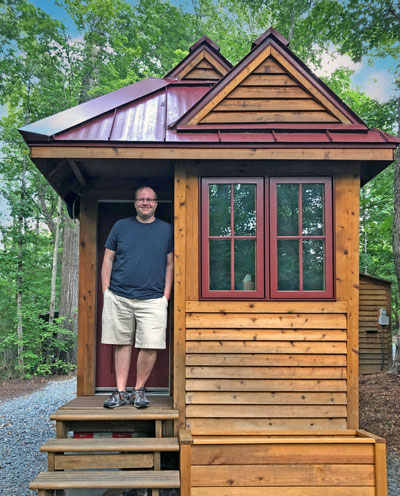
Hi, I’m Ryan
I started homesteading with more excitement than knowledge. While I wouldn’t say anything I did was a total disaster, there are certain things I would have done differently with what I know now. For this reason, I love sharing my experience to help fellow homesteaders avoid making mistakes that will waste their time and money.

How To Plan A Homestead: Making The Best Use Of The Land

The first step to planning a homestead is choosing a piece of land to cultivate. While this can be an exciting time, I get that you might be simply starting with your current backyard, and that’s great. There’s nothing wrong with that.
However, if you can select your property with a homestead in mind, it’s a good idea to start by ensuring the land has access to some essential resources. Even the most fertile plot of land won’t be easily workable if, for instance, it’s not accessible by road or close to a reliable water source.
Scope Out Your Homestead Location To Ensure Access To These Resources
- Land access
- Water sources
- A septic system
- Power
- Shelter
- A workshop
- An energy infrastructure
- Outbuildings
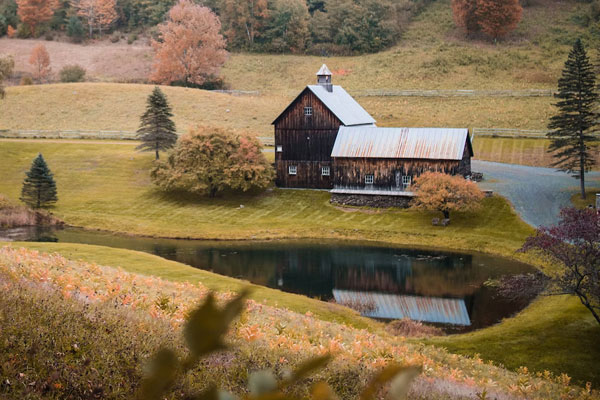

Start Your Homestead With A Home
Before you start working the land, you’ll need basic shelter for you and your family.
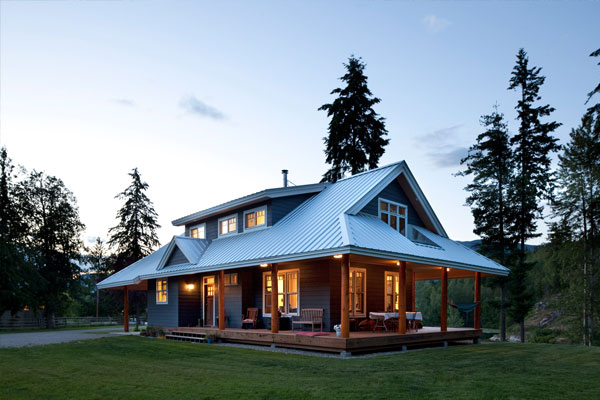 Depending on how much you’re willing to rough it at the beginning, this might mean renovating an existing farmhouse that came with the property, building from scratch on a nice plot of land, camping, or even renting a mobile home on site so you can have a place to eat and sleep while you build.
Planning a homestead property will look different for everyone, depending on your vision, goals, budget, and the amount of time and skills you have for construction projects. Connecting to local power and electricity can be costly if your property isn’t already on the grid, so I highly recommend that you be aware of your access before you purchase land.
Off-Grid Considerations When Planning A Homestead
If the land you’re purchasing is already connected to local utilities, you may choose to adjust the setup to live off-grid. When you make any such adjustments, keep the local regulations in mind.
The rules governing what you do with your land (building new structures, keeping animals, going off-grid, etc.) will vary from state to state or from country to country. There’s nothing worse than having to scrap a project that you’ve put a lot of time and money into, so make sure you check the local guidelines before purchasing land.
Homestead Planning: Layouts For Different Acreage

Beyond the basics, planning a self-sufficient homestead involves understanding your landscape and particular climate. I suggest you learn about what grows well in the area and also create spaces for different types of cultivation.
Some foods grow on bushes or trees. Some do well in raised garden beds. Others, like corn and wheat, are sown directly in the ground. The most successful homesteads are those with areas for multiple types of growing so that, if one crop does poorly — whether that’s due to predators, unusual weather, or disease — you’ll still have some produce to harvest. Diversity is key.
How Much Land Do You Need For A Homestead?
It’s ok to start small. I started my homesteading journey by growing in a community garden plot. After that, I moved to a small urban plot of land, and now I have over 10 acres. Any amount of land can be productive — even a tenth of an acre.
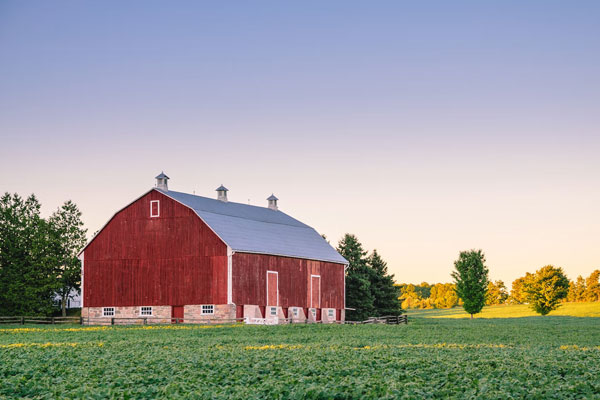 Truth be told, I love the challenge of putting it all together and finding the right plan to fit different growing areas on smaller plots of land. It’s kind of like a puzzle when your goal is to find the right fit. When you have more space, however, you can think about branching out, adding livestock and poultry, or a bigger orchard or additional compost bays.
Once you’ve decided where you’ll grow, you can start sketching out your plans for the space. Some people like to use pen and paper to draw out a homestead plan, while I prefer digital tools, like SketchUp. No matter what tools you use to when homestead planning, finding a purpose for every bit of available space is important, leaving no corner underutilized — this includes designating certain areas for green/open space to hang out in.
The great thing about planning a homestead and getting your ideas and dreams down on paper is that it helps you diversify and create a plan to cultivate a wide range of produce no matter how much space you have. The more space you have, the greater the range of what you can grow expands, but even a small plot of land can get you a long way toward growing a lot of your own food, and planning out how you’ll use each area of the space will help you achieve this goal.
What Should You Avoid In Your Homestead Planning?

I like to dream big and encourage others to go for it as well, but when it comes to planning your homestead, sometimes big dreams can blind you to the realistic limitations of your space. Just because you have room for something doesn’t mean it’s a good space for growing certain plants or adding another building.
 I’ve learned to refrain from spontaneously adding extra garden beds on my homestead simply because I have room for them when I know that the areas where I have the space are partially shaded, often not getting the sunlight my vegetables would need to thrive.
Avoid trying to make the land do things it just can’t by analyzing things like the soil composition and terrain before you do your layout.
For example, you don’t want to situate your orchard in a spot on the bottom of a slope where the soil becomes waterlogged — fruit trees often die in such conditions.
An area like this may be better suited for a chicken run or duck pond.
Common Mistakes People Make When Planning a Homestead
It’s important to remember that sketching homestead plans on paper doesn’t necessarily translate into a functional farm. I remember how exciting it was to start, and I made some avoidable mistakes. Here are some tips that I hope will help you avoid making these common mistakes when you’re just getting started.
Common Mistakes To Avoid
- Hauling Water Is No Fun: Don’t live on your land until you’ve drilled a well and set up plumbing.
- Don’t Get Upside Down: Don’t buy a piece of land you couldn’t sell if you needed to.
- Know The Road: Before buying, verify the right of way to avoid trespassing to access your land.
- Planting Improperly: Know which plants thrive in different temps and which ones to start inside.
- No Lone Trees: Many fruit trees must be planted in pairs because they require cross-pollination.
- Don’t Ignore Local Regulations: These vary widely, and ignorance can cost you time and money.
- You Can’t Burn Wet Wood: Chop firewood a year before you burn it so it has time to season.
- Haste Makes Waste: Observe your land for water flow and sunlight to avoid building mistakes.
- Don’t Skip The Soil: Replenish your soil after every harvest before starting a new growing season.
- A Home For All Creatures: Provide proper shelter, fencing, and water before adding animals.
- Don’t Forget What Works: Keep records during each season to replicate your positive results.
Tips And Tricks For Planning A Homestead
When I first acquired my land, I was eager to start recouping gains on my investment. Thankfully, I had some prior experience and some homesteader friends who warned me that jumping in without understanding my own small ecosystem could be a disaster.
Patience is key in every aspect of owning a homestead. By starting slow with a good plan, you can make even the most challenging areas of your land productive.
Tips For Planning A Homestead</
- Get The Lay Of The Land: Have your land surveyed and use a GIS map or Google Earth.
- Fit The Puzzle Pieces: Calculate the space you need for each homestead piece before creating.
- Manage The Noise: Put noisy animals further from your home and things like raised beds closer.
- Invest In Fencing: Surround your property’s perimeter, leaving room to mow around each side.
- Grow Year-Round: In some climates, cool-weather vegetables, like kale, can grow year-round.
- Use Succession Planting: Increase yields by harvesting multiple rounds of crops like lettuce yearly.
- Don’t Get Overwhelmed: Don’t add more than one new type of animal to your farm each year.
Homestead Planning FAQs

Is it possible to plan a homestead for off-grid living?
Yes, it’s possible to build an off-grid homestead that runs on the energy resources in your environment. Solar energy is a powerful tool that is good for more than just growing plants! Planning a self-sufficient homestead can also extend to finding a stream, pond, or lake or ensuring access to timber that will provide heat during the colder months.
Is it possible to start a homestead in an urban setting?
When planning the space carefully, it’s possible to create a homestead layout on as little as a tenth of an acre. Growing in the city, you’ll need to be especially aware of the local regulations and what’s permitted in terms of animal keeping and energy grid modifications.
Do I need to build sheds, outbuildings, or a barn?
Not immediately. When beginning homesteading, it’s important to remember that farms grow and develop over time. Sure, it’s great to have different covered areas to protect your equipment and stay organized, but don’t stress if you don’t have them all from day one.
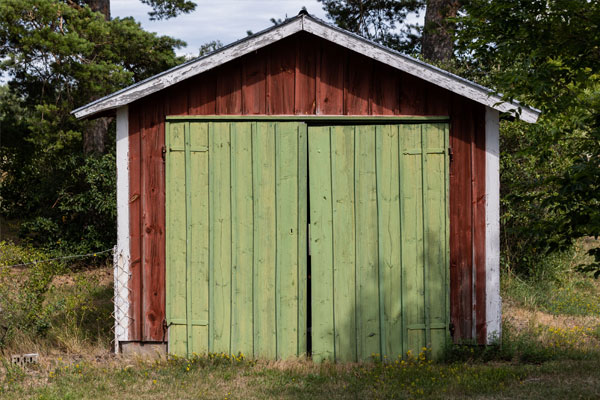 Many start their homesteads on a budget and make additions as resources permit. This also allows you to clearly identify what you need from experience rather than jumping in with what you think you need.
Some outbuildings you will likely want to add over time include a shed for your tools, a garage for your tractor, poultry coops, and a greenhouse for starting seeds. A greenhouse can also serve double duty as a place to dehydrate food and preserve what you can’t use for food during the fallow season. Some of the best advice I can give you is to get creative and stay flexible. A covered carport is better than nothing. Starting seeds in the house works until you have a greenhouse.
What tools do I need to plan my homestead?
When planning your homestead, layout tools can be indispensable for mapping out your land. In addition to SketchUp, Icograms is another tool that enables the creation of farm layouts and diagrams; the basic version is free.
 Google Docs is useful for capturing plans and notes. The mobile app lets you jot down reminders when you’re out in the field, and you can also access them later on your computer or tablet. Sharing these docs by granting access to your family members or anyone working the land can help you all stay on the same page.
Books are helpful, invaluable resources in the beginning and throughout homesteading. I’ve compiled a list of some of the most useful homesteading books for you.
Ready to get started? Creating a solid plan for your first homestead will save you a lot of frustration in the long run. But remember, planning a homestead isn’t a one-and-done activity.
Each year, I find myself planning new elements and improvements so that my homestead is always a work in progress, constantly improving. Lean into learning from your mistakes and purposefully repeating your successes, and your homestead will be a growing, thriving place of constant cultivation.
Your Turn!
- Where can you turn underutilized space into a growing zone?
- What can you find to grow in a challenging landscape?