
NAVIGATION
 Is Living in a Shed Legal
 Why Live in a Shed
 Connecting Water
 Installing Power
 Adding Septic
 How To Convert a Shed
 Shed Conversion Costs
 Shed Design Ideas
As traditional housing becomes less financially attainable, more and more people have started asking me about converting a shed into a tiny home. For many, converted sheds offer an affordable entryway into their dream of owning a tiny house.
 I think what’s important to keep in mind is that tiny houses have made a name for themselves because they’re willing to break the mold. The diversity of what the Tiny House Movement is, in and of itself, is part of what makes it so fascinating to me.
As people take the ideals we share in the Tiny House Movement and make them their own, it can manifest itself in so many forms and creative ways to live in small homes. Even outside of converting sheds to tiny houses, an increasing number of sheds are being converted into man caves, she sheds, and miniature art studios.
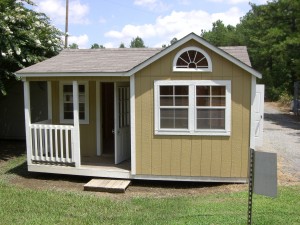
No matter which route you take, using a shed as the shell for your tiny house is a great way to get things started. I’ve even considered investing in a prefab shed and was recently able to go see a model that I have been toying with purchasing and putting in the middle of a plot of land.
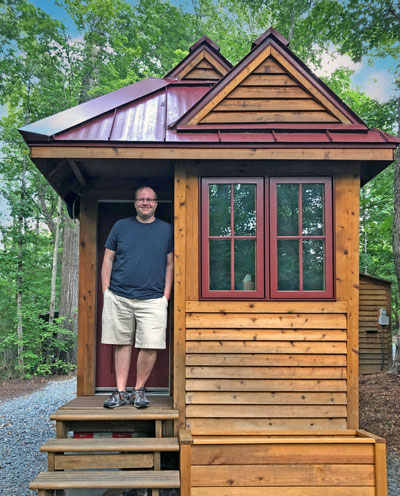
Hi, I’m Ryan
One of the most important things homesteading has taught me is that the usefulness of a space matters far more than its size. I’ve been in converted sheds that felt more inviting and functional than houses three times their size simply because the space was used more intentionally.

Can You Legally Live In A Shed?
As with tiny homes, making a shed conversion legal and meeting building codes is rather difficult once you say you want to live or dwell in it. One big advantage of the prefab shed home option is that these structures are so prevalent that in many places you can just drop one off and you’re good.
 Some places require a permit, but it’s a formality more than anything — city hall needs to get its slice anyway it can. These sheds will almost always pass code if you’re using them for storage.
That means the shed would officially have to be just a shed. It can be a bit more complicated when you are not placing the shed behind a primary dwelling. This is where I find myself.
The real lynchpin to living in a shed legally (and comfortably) comes up if you want to connect water, power, or a septic system. Once you do that, your shed crosses the line from accessory structure to dwelling, and you may be required to obtain one or more of the following permits:
- Building Permit: Required for structural changes and additions, like framing, insulation, and roofing.
- Electrical Permit: Covers all wiring work, including outlets, lighting, and solar hookups.
- Plumbing Permit: Needed when installing sinks, showers, toilets, or when connecting to a well, sewer system, or municipal
water/sewer line. - Mechanical/HVAC Permit: Applies to heating and cooling systems (mini-splits, furnaces, air conditioners), ventilation systems, and ductwork.
- Zoning Approval: Confirms that your property and shed placement meet local setback, lot size, and residential use requirements.
- ADU (Accessory Dwelling Unit) Permit: May be required when converting a shed into an ADU or secondary living unit.
- Certificate Of Occupancy: A legal document stating your converted shed is safe, code compliant, and suitable for people to occupy.
There’s no shortage of permits, inspections, and approvals that may come into play when you’re legally living in a shed. Unfortunately, all of this red tape can complicate the process and contribute to the overall shed conversion cost.
But, in the search for affordable housing alternatives, many folks prefer to keep things under wraps or take a “build first, ask for permission later” approach. While I can’t really recommend going that route, I do understand it.
How To Connect Your Shed Home To Water
Fortunately, you can get water to most properties without much hassle. Of the three main utilities, water is the simplest because it’s not terribly complicated and doesn’t pose many risks. I did this on my current property in the mountains with a well, and where my tiny house is in the city, I was able to connect to the city water for “landscaping” with zero issue.
You just pony up the cash for the permits and the install, run it to a frost-proof hydrant (again saying it’s for landscaping) and get your inspections if needed. Once the inspectors are done with their checks and you have all your documents in hand, drop your shed, and connect it off the books.
[NOTE: Because water is so easy to get, your bill will provide “proof of residence” for other things like the DMV, getting a post office box, etc.]
Installing Power In A Shed Conversion
Getting electricity in your shed is slightly trickier. This is the part where code officials start to get wary that you’re planning on living in the shed. That said, it’s not uncommon to want to have power in a shed for tools.
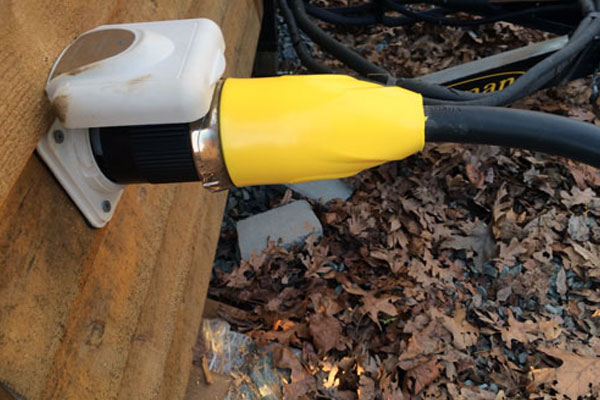 What I suggest you do is get your water installed on the land so it’s about 20 feet into the property. Then, wait a few weeks while you get your shed pad graded and shed dropped off. Now what I’d do next is — and keep in mind that I’m not responsible for any consequences if you do this — stage the inside of your newly dropped off shed with a few shed-like items.
A lawn mower, a tabletop on some sawhorses, and a few tools scattered on top will make it look like this is a real shed used for storage. That way when the electrician comes to install and the inspector does their inspection, it looks like you’re using it as a storage shed rather than a shed house.
You’re most likely only going to get approved for a 50 or 100-amp service, which is about half of a normal home’s 200-amp service. That should be totally fine for your needs in such a small space.
Adding Septic Or Sewer Connections To Your Shed House
This next step will likely be the biggest hurdle you’ll encounter when converting a shed into a tiny home. I’ll be honest and say you’re not going to get any code official to let you install a flush toilet in a shed unless it’s totally above board and designated as a dwelling.
While having water and power is a must, I don’t mind using a composting toilet. In addition to a composting toilet, you could use a porta potty service, or you could consider getting a septic system installed (if it’s possible). Just keep in mind that septic systems will start to get people asking questions.
If they see a septic installed, a water line run to the property and power run to a “shed,” it won’t take much for them or anyone else looking at your property or reviewing parcel tax and permit records to put two and two together.
Can You Live In A Shed?
The short answer to the question “can you live in a shed” is yes. As long as it’s large enough and outfitted with the necessities, they can even be pretty comfortable. But if you’re asking if it is legal to live in a shed, the answer is: it depends on where you live.
Legality aside, plenty of folks have given living in a shed a try, and that number is only growing. When I was talking with a salesperson at the shed store, she told me that they have had several customers live in these sheds.
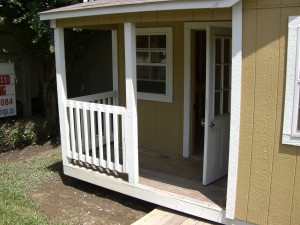
They use the term “shed” loosely, with some models being upwards of 1,000+ square feet. They had an entire wall of photos where people had converted a shed into a house, upfitting the outside with porches, accents, etc.
Why Should You Live In A Shed?
Between their widespread availability, ease of obtaining, and cost-effectiveness, sheds are gaining traction as an affordable housing alternative. Here are a few other reasons why you should consider living in a shed.
Shed Conversions Are Easily Permittable
The ease of getting sheds legitimized is the biggest appeal to me. There aren’t many things these days that are easier to do, and in many cases, you can just drop them on your property and be done. Often municipalities have rules like “if the structure is not a dwelling and no dimension is greater than 12 feet, no permit is required.”
Sheds Are Very Affordable
Sheds are one of the most affordable housing alternatives, and you can even find Home Depot sheds for as little as $3,000. The model I show here is 192 square feet. Included are the windows, doors, installations, taxes, anchoring, site leveling and delivery, all for the price of $4,200!
Adding in permits, running power, insulation and drywall (doing the work myself, of course) I am looking at a sweet house for around $6,000. You could then deck it out with Ikea swag for another $500 and have a really nice place! The only drawback is that there is no loft for a bed, so you have to deal with that. A space saving bed, like a murphy bed or a bunk bed, could potentially work.
Another angle to shed living is that shops can offer payment plans of $70 a month. That makes it a pretty tempting affordable housing option, considering I have friends that pay well over $1,500 a month in rent.
Sheds Are Easily Transportable
The other advantage to converted sheds is that you can move them! Not as easily as a house on a trailer, but still relatively simply. That’s because sheds are often delivered on flat beds or tow trucks. They even have these little crawler machines to maneuver the shed into a place where a truck might not be able to get into, which is perfect for tight backyards.
Sheds Are Widely Available
Unlike tiny houses, where your closest tiny home builder might be several states away, there are probably several shed sellers in your city. Most carry a selection of major and off-the-shelf brands, including Tuff Shed, Handy Home, and Lifetime. Sheds are sold practically everywhere, so getting one is simple. Just make sure you price shop between brands to get the best value.
How To Convert A Shed Into A Tiny House
Once you buy a shed, you’re going to want to get all your utilities to the site and set up before you do anything else. Get your water, power, and sewer squared away, get your copies of all the approvals, then wait a few weeks. I’ve found that sometimes, there are a few little loose ends that need to be tied up, and you don’t want an inspector around while you convert your shed into a living space.
1Set A Level Pad And Grade For Drainage
Before the shed even gets delivered, I’d suggest at the very least scraping the grass away and putting down 4-6 inches of ¾” gravel. Consider burying your water and sewer connections at this point and hide the ends so the inspector doesn’t ask questions. Have the gravel base extend in all directions about 1-2 feet beyond the footprint of the shed. Make sure the space is totally level and compact the base with a plate compactor.While you’re at it, consider how the water will flow around the shed, put in French drains if any slopes will push water towards it. Also consider where the water will flow off the roof if you have gutters, consider trenching a drain pipe to flush water away from the shed.
2Make Utility Connections To Your Shed Home
Once the shed is delivered on the pad you created and the inspector has come and gone, bring your connections from wherever they are to the shed and inside. If you pre-buried your connections, uncover the connection points and connect them. Then, test everything before you close up the walls.
3Deal With Moisture On The Bottom Of The Converted Shed
One thing I don’t like about prefab sheds is that they use OSB or similar products, which just don’t stand up well to moisture. If you have the option, I’d pay extra for plywood and make sure it is treated.
The underside of the floor where it faces the ground is a place where moisture can build up and that bugs can eat into. I suggest that you have your shed on blocks just high enough for you to crawl under, so you can access the underside easier — even if you don’t need to use blocks for leveling.
Having access and air flow is super important for keeping your floor dry and rot free. I’d also apply a thick coat of exterior deck oil-based paint to the underside of the shed to seal the wood from moisture.
4Adjust Your Shed House Framing
In many cases, shed builders use a smaller dimension framing than traditional 2×4s. If you can, request your shed be madewith 2×4s so all your building materials will work (insulation, electrical boxes, etc. are all sized for 2×4 cavities).
If your walls aren’t framed with 2×4s, then you might have to figure out alternatives to every other step coming up because all building materials are sized to accommodate a 2×4 wall. You are also going to want a deeper cavity to insulate. A 1×3 wall, which some sheds have, will end up being a very cold home.
If you can’t order the shed with 2×4s then you’ll need to build the wall inwards. If you go through all that trouble, consider getting a slightly larger shed and then you might as well go for thicker walls for more insulation.
5Rough In Your Shed’s Electrical, Water, and HVAC
Next, put in your electrical lines, water lines, internet connections, any HVAC needs, etc. I’d also consider putting outlets and lights on the outside of the shed too. If there is one thing I’ve learned about outlets is that it’s hard to overdo them.
Because it’s a small space, you want outlets right where you need them most. Consider everything you’ll be plugging in and put outlets there. If there are any runs of wall more than 5 feet with no outlets, just add one .
Outlets start at $2.50 for a box and another $2 for the receptacle itself; these are super cheap so don’t skimp here.
Tip: I’d also suggest taking a video and photos of the walls so you can remember where things are in the future if you need to fix something.
6Seal Up Every Little Crack In Your Shed Conversion
If there is one thing I’ve learned about these sheds, it’s that they aren’t very airtight. Because of that, bugs, moisture, and drafts can easily make their way inside. The space where the roof meets the top of the wall and around the soffit/facia is usually so poorly done you can see daylight, so I’d start with sealing everything with a good silicone caulk.
Follow all the junctions, seams, and transition points. First seal from the outside, then seal again from the inside. I’d also caulk where the walls meet the floor, the corners, and inside the framing where the studs meet the sheathing.
This will seem excessive to many, but a shed is so small that it will only take a few hours to totally seal it up tight. Once you have that done, I’d move to spray can foam and fill in any hard-to-reach gaps.
I’d also fill places you’re not going to be able to insulate easily, and I’d go over any seams to safeguard from leaks. Again, this may be considered overboard, but a few hours and $50 of prevention will pay dividends by keeping air and water out and the bugs at bay.
Note: You should make provisions for fresh air exchange and humidity control. When you seal up and live in such a small space, you need to take air quality seriously. I’d suggest having a mini split system that does heating and cooling (where it dehumidifies too) AND an Energy Recovery Ventilation unit (ERV).
The ERV will take your indoor air, heat or cool the incoming air through an exchange, then adjust humidity levels too. The ERV will cycle your air, so the indoor air is always fresh and the correct humidity.
7Insulate Your Shed Walls And Ceiling
You have two main options for insulating a shed to live in: spray foam or bat insulation. Bat insulation is a good option because it’s easy to install and not that expensive. You can get bats that are sized right for your wall cavities to minimize the amount of cutting you need to do.
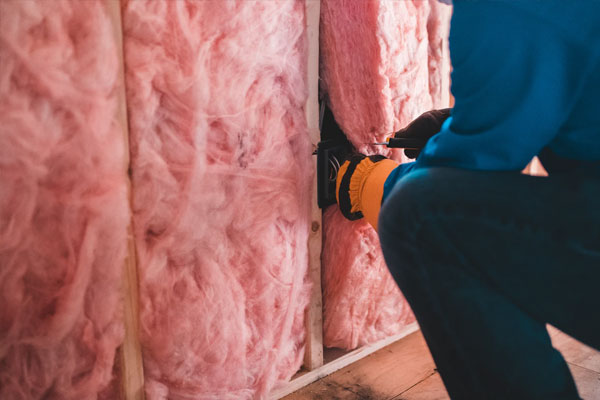 The other option, and the one that I’d recommend, is closed cell spray foam. I specifically suggest closed cell spray foam because it doubles as a great vapor and air barrier. Spray foam is also a very high R value (a measure of thermal resistance), so you’ll keep your house hot or cold longer with the same amount of wall thickness.
Many people will suggest open foam because it’s cheaper, and some make the argument that it’s easier to find the leak if one occurs. But because sheds are so small, even the more expensive closed cell spray foam rarely adds more than a couple hundred dollars to your shed conversion cost.
Additionally, the notion that you can spot leaks easier is something I flat out reject. You just bought a brand new shed and spent a few hours sealing everything; it’s not going to leak any time soon.
And if it does, the closed cell foam adheres to the back of the roof decking, minimizing the spread of any leaks. Open cell will allow the water to flow through it and into your wall cavity, leading to mold.
8Insulate The Floors To Keep Your Shed Home Warm And Dry
You want to insulate your shed floor or else you’ll have a condensing surface, and your feet will be cold on the floors. You can do this by insulating under the floor on the bottom of the shed or laying foamboard on the floor and putting a new layer of plywood on top.
If it was me, I’d do both. I’d order a shed that had a taller wall and then spray closed cell foam on the underside, then lay down 2 inches of polyiso foam with a compatible adhesive, then lay down a thick plywood subfloor on top of it, again with adhesive.
The two downsides to laying in the foam on the sides is that you’re building into the space, reducing your overhead height (hence why getting a taller wall option on your shed is a good idea), and the front transition of your front door will be a little weird, so you’ll need to work that out. Both are solvable problems, and warm floors are a must have in my book.
Tip: If you do build up into the space by laying down foam, consider doing an in-floor radiant heat.
9Install Drywall, Floors And Trim In Your Shed House
Next, I’d suggest finishing with dry wall because it’s cheap. You want to make sure you are sealing all the joints and transitions of the dry wall for air tightness. If you make this airtight, no water vapor can enter the wall cavity and hit a cold surface to condense, build up moisture, and cause mold.
This article on the proper way to air seal drywall is a great resource. Once you’ve put up your drywall and spackled and sanded your joints, go ahead and trim out your doors and windows, then paint the whole thing. Install your floors at this point, then add your baseboards to hide the rough edges of the floors.
10Do The Finishing Touches For Your Shed Conversion
At this point, I’d drop in my cabinets, counters and other finishes. Consider using off-the-shelf, premade things that are affordable and easy to install. Your local big box store or Ikea will have good options. Bring in your appliances, add your lighting fixtures to the roughed in boxes, etc. There you have it: you’ve converted a shed to a tiny house!
How Much Does It Cost To Convert A Shed Into A Tiny House?
Based on my experience, converting a shed into a home will cost around $75 per square foot — including the cost of the shed — depending on the shed size, utility connections, and fixtures/appliances. This assumes you’re buying a pre-built shed, like a Tuff Shed. It could be done more cheaply if you build the shed yourself (shed companies typically markup 60% above material cost).
Example costs:
- Shed: $4,000 to $10,000
- Windows: $500 to $6,000
- Insulation: $700 to $2,000
- Interior finishes: $500 to $4,000
- Electrical: $1,000 to $3,000
- Water heater: $200 to $1,000
- HVAC: $1,000 to $5,000
- Toilet: $50 to $1,500
- Fixtures: $1,000 to $5,000
- Appliances: $500 to $4,000
- Interior wall: $800 to $2,500
- Flooring: $500 to $1,000
- Fasteners/Adhesives: $1,500
- Paint: $150 to $300
Living In A Shed While Build Your House
Many people want to live in a shed while they are building a permanent house. I myself considered this when I was building my home on the property I bought in the mountains. This again falls under the legality issue, as dwelling in a shed is often not allowed because of how small they are.
I’ve found that if you do decide to live in a shed, even temporarily, the code enforcement staff will require everything you are normally expected to have in a full house, increasing the costs dramatically.
Ultimately, the real answer is yes and no. Legally? No, you probably can’t. Is it still possible? Yes, it is!
How Do I Turn My Shed Into A Living Space?
This is something I have a lot of experience with, since tiny houses are working on the same miniature scale as a converted shed. Here are a few critical things you want to consider when converting a shed into a living space.
Top Ways To Turn A Shed Into A living Space
- Run power to the shed for lights, electronics & HVAC
- Choose a way to climate control – Heating & Cooling
- Seal cracks to control moisture and bugs
- Insulate and drywall for a clean look
- Install a durable flooring option
- Use a light color pallet, good lighting and natural light
Shed Design Ideas And Tips
There are a number of ways to take your shed home to the next level. Many ideas can be borrowed from tiny houses for design inspiration. Here are a few guides I’ve created to help you design the perfect shed to live in!
Small Bathrooms For A Shed
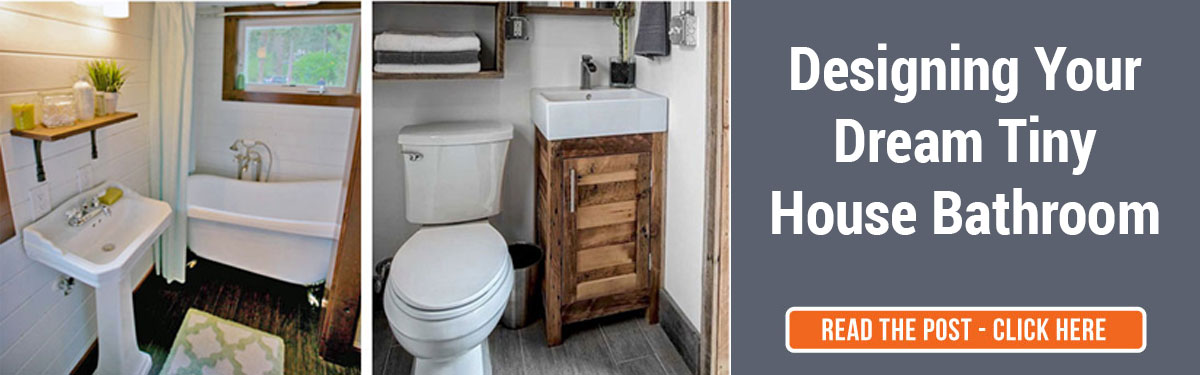
A bathroom is one of those spaces you have to get right for a shed conversion, but between power, water, fixtures, and storage, they have a lot going on. Check out my post on how to design a small space bathroom.
Kitchen Designs For A Shed
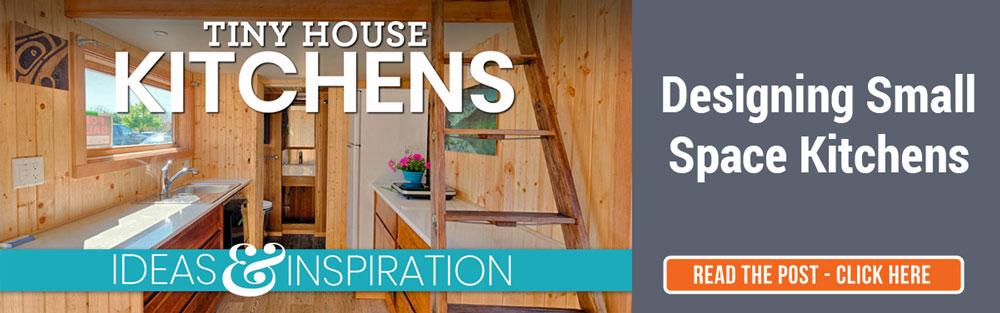
The kitchen is another critical area if you want to live in a shed. You don’t have a lot of room to pack a lot into a small space. When I designed my tiny house kitchen, there was a lot that went into it. Learn more about small kitchen concepts and how to design them.
Appliances For Small Sheds
One challenge I’ve encountered when converting a shed into a tiny home is getting appliances for such small spaces. You can’t always go to the big box hardware stores and find an appliance that will fit in your shed’s kitchen. Picking the right appliance for small kitchens is important, so here’s how to choose the right one for you!
Consider Adding A Sleeping Loft In Your Shed House
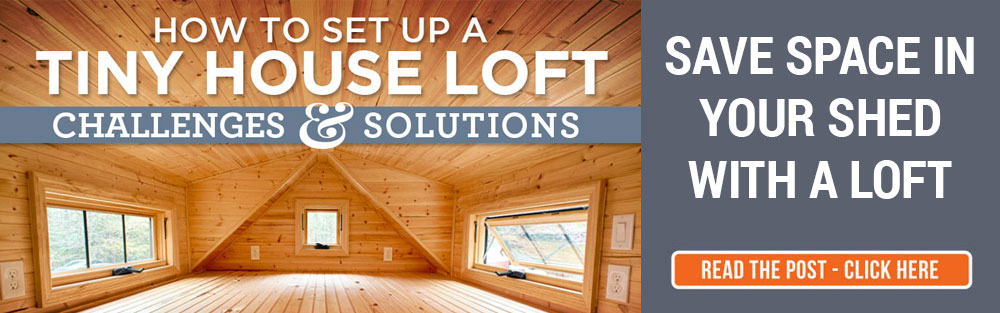
A sleeping loft can add a lot of usable room to the ground floor if you’re tight on space. Sleeping lofts are fairly straightforward, but I figured out a few tricks to make things even simpler.
Add Solar Panels To Your Shed
Solar is a great option if you can’t get power to run to your shed. I’ve written several posts about how to set up solar, so here are some of my favorites.
Setting Up Solar Guides
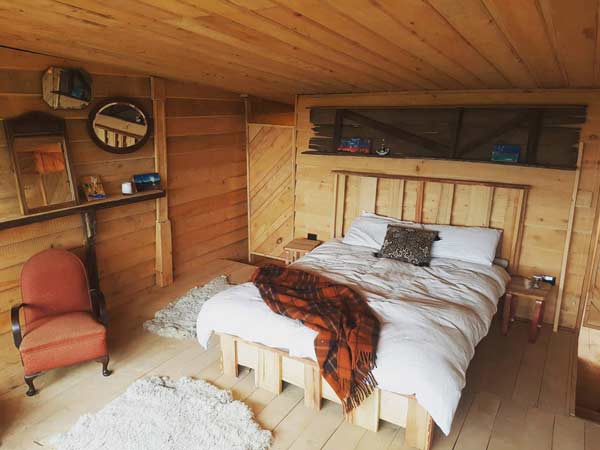
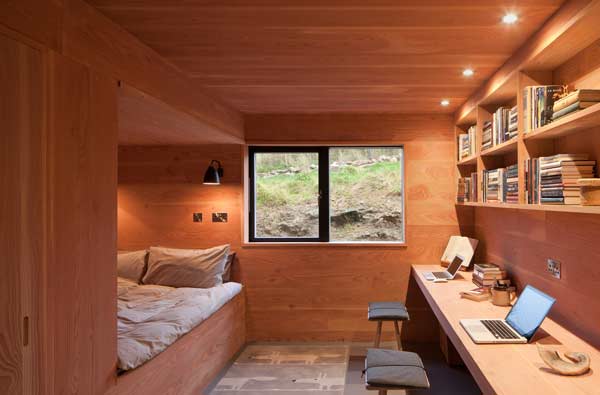
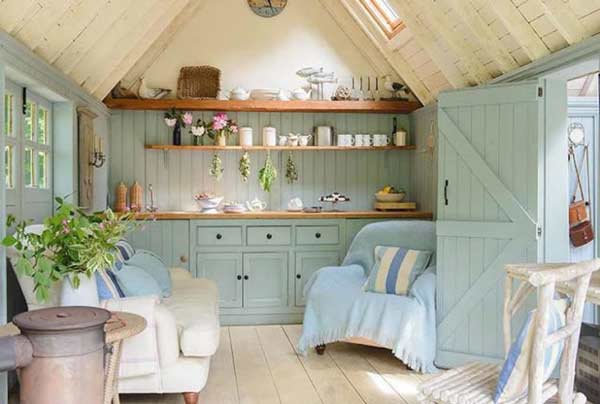
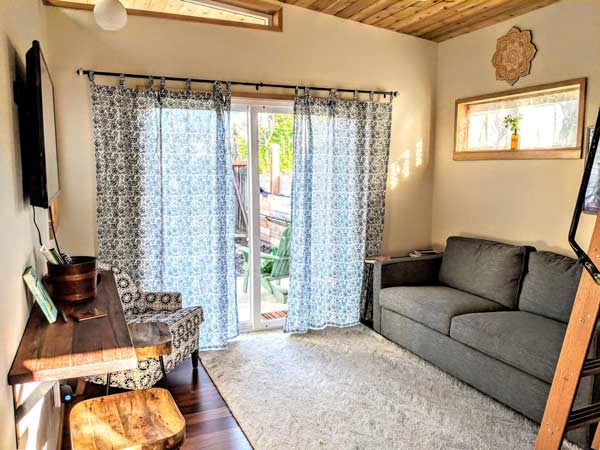
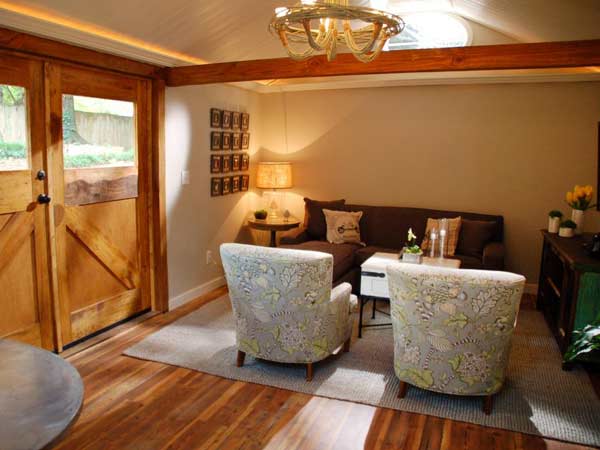
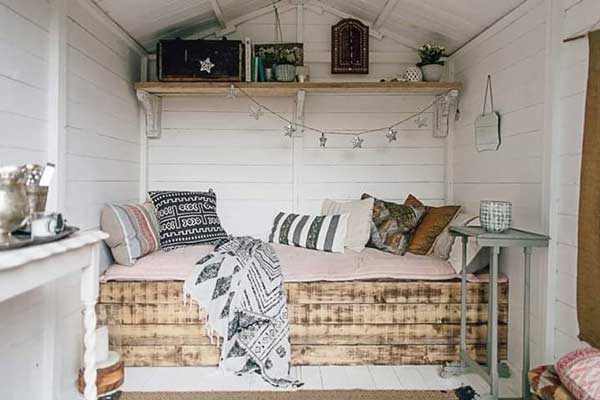
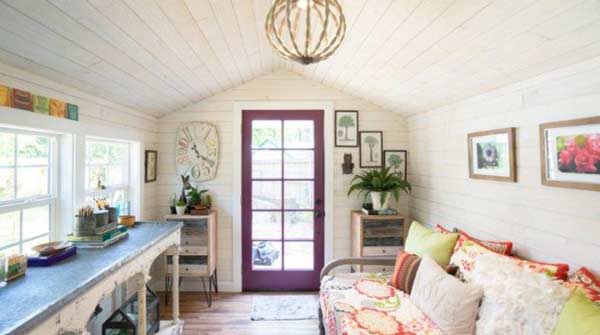
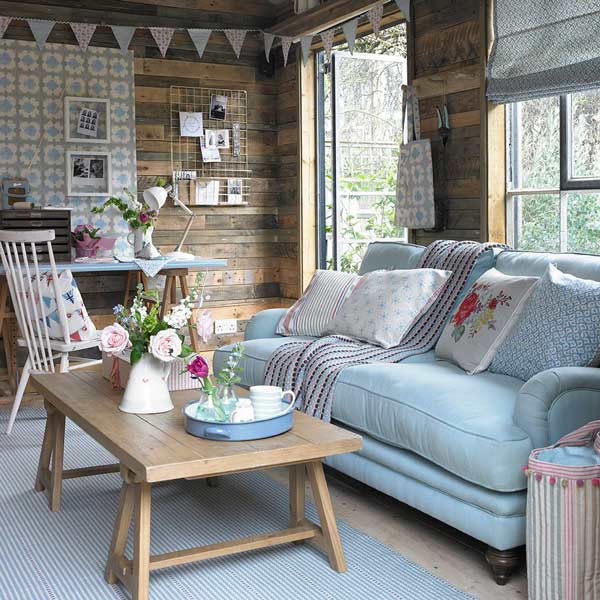
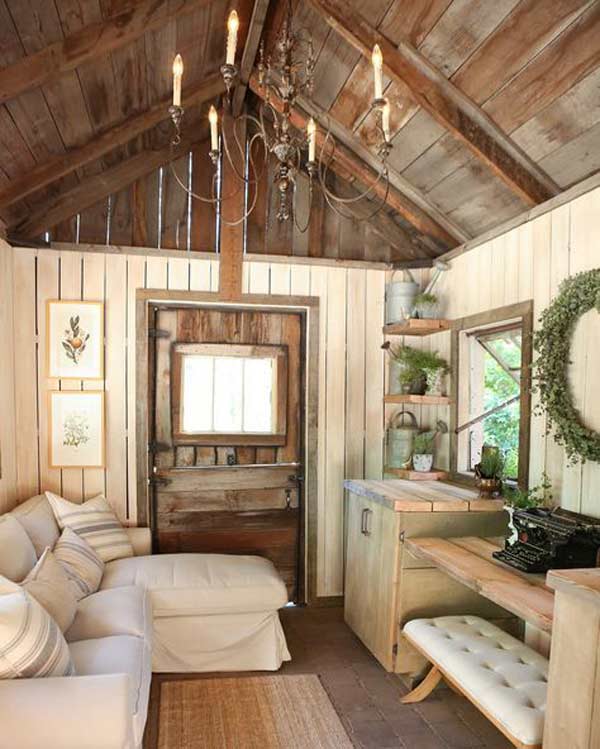
Converted Shed To Living Space Photos And Ideas
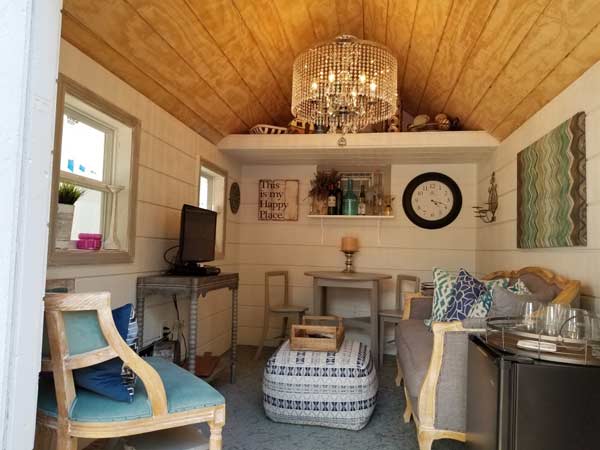
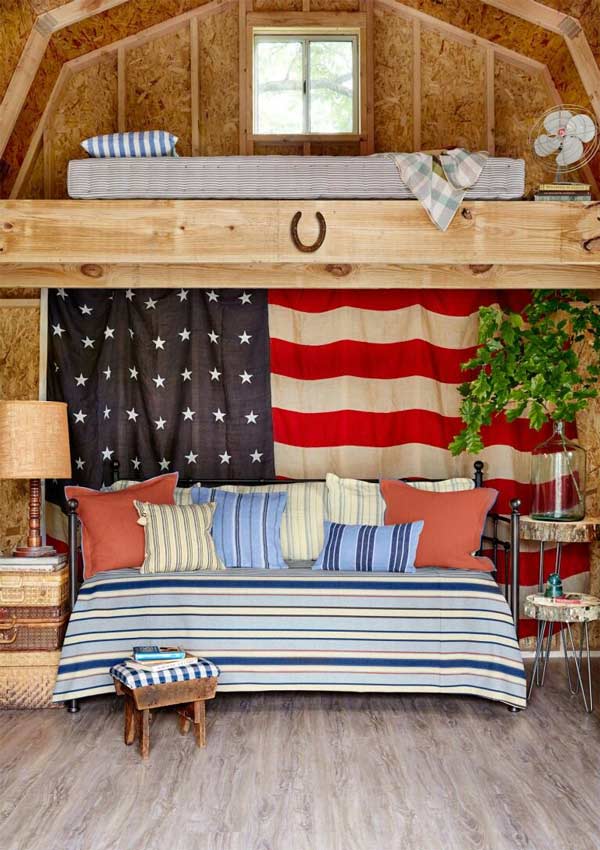
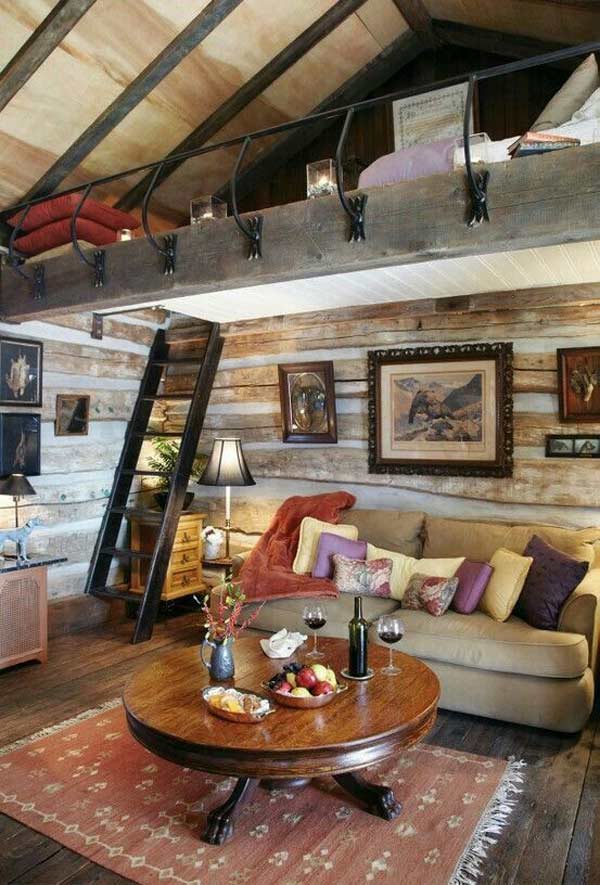
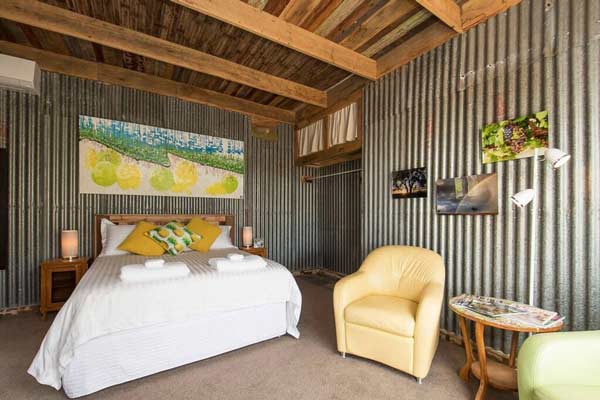
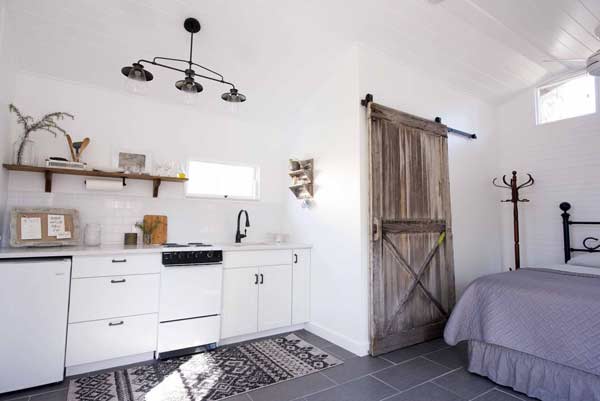
Living In A Shed In Your Backyard – Is It Right For You?
 Converting a shed into a tiny home or living space is something that is far more achievable than many people realize. With the right planning and a little bit of elbow grease, even the most modest shed can be transformed into a comfortable living space.
And with options that range from she sheds and man caves to tiny homes and even backyard office sheds, the possibilities are virtually limitless. All things considered, shed conversions are a great way to have a home quickly, easily, and affordably.
So, I wanted to ask you all: what do you think of this idea? Do you think living in a shed is right for you?
Your Turn!
- What’s your dream location for a shed home? Woods, mountains, beachside, lakeside, or something else?
- If you were converting a shed into a tiny home, would you prefer a rustic and cozy design or one that’s more modern and minimalistic?
I think about this a lot. I think is a really idea for me. I have 3 siblings that have land I could live on.
Worth the economy going the way it is, a no brainer.
My only issue is my husband dose not want to do it now.
I am getting ready to close on an acre of land in 2 months. I am first putting in a 40’ x 60’ steel barn, drilling a well, installing a septic system, and putting in a shed that will be where I sleep until I am ready to build my house. Your article will come in very handy in the next 4 to 6 months.
I am really interested in home living in a shed. Want to put a small kitchen, bathroom and a bedroom. But not sure what size shed I need without a loft. Or how to put regular stairs to a loft
How to insulate 12×36 lofted barn shed loft ceilings, and do I install a window to ventilate or use that mesh opening year round (open).
i wanted to build about 12 of these and use them as hotel rooms on a plot of land. what would be the process for legalizing that? the costs? permitting? etc. in kentucky. any help would be greatly appreciated!
Recently, I bought an acre in Hawaii. I want to buy a metal shed (Or 2) to convert to a tiny house (Or not so tiny). I will keep you posted.
Thanks for mentioning that prefab sheds are very common that you can simply put it on the ground and that’s all you need to do. This is giving me a convincing reason to build my own small space. I wonder where I could get in touch with a contractor that specializes in these structures. https://centierstructures.com/
I am looking to convert a solid detached garage approx 15’ by 17’ and replacing the garage door with a double door. Ceilings are 8’ I have electricity but feel I will need to up the amps. Not a Huge job and I am hands on with lots of tools.
Please advise.
Thank! I’m
Can I buy land in new mexico with no buildings on it but have electricity n water hook up available & put a less than 400 SQ ft pre built shed on it to live be in n finish it myself for electric wiring n plumbing n run waste waters into a septic systemm.one ground filter septic for brown water n a septic tank for black water.
have bought a plot of land wanting to build will take a year would like to like on land whilst building.Can you advise
regards
vivien 0488048805
Hi,
I have been trying to put a livable shed in my backyard for about a year now. However, having to have permits is such a hassle. It prolongs things to just get done. I’m in senior age and don’t want to have any fines involved down the road.
Therefore, although it is something we not only want but need for our second generation family growing that live with us in the main house, I truly don’t know if it’s worth it. I’m wondering if the 15 -$20,000 budget that is saved for this project will be enough or worth it.
I’m truly so confused.
My shed is 12″x 14″. The work you put into it is definitely worth it. My shed is used for an office, a hang-out, and the grandkids when they come over. I insulated it myself, painted it, put electricity in it i have a dry sink. It took 9 years part time to finish, but it’s great. It also has a loft and workbench. One end with the workbench (covered with a nice fabric and then a glass top) is used as my “kitchen” and office. The other side is my “living area” with a small refrigerator and electric heater or portable airconditioner. Once you get your permit(s) you should be good to go. Also remember: Keep the vents unblocked – you need the circulation to prevent mold. Is the work worth it? Definitely. I’ve stayed out back when it’s been 29 degrees and snowing. Have fun!
This is a grate idea. But ther is a lot more work than I expected.
To have all of this knowledge is a massive benefit. Thanks for letting us in on such a fun and informative piece of knowledge.
I plan on a shed to house conversion when I retire in 2 years. I’m looking for 16×52 shed. I plan on moving to Lynchburg Va or surrounding area. Do you know of any shed companies in that area.
I am considering putting a 12×40 shed in my yard. I would like to make it livable if possible. My main house is not even 900 Sq ft.and my family and I are a bit crowded
.Can they raise the property taxes?
I have found one I want, completed. But I need to finance. I’m unable, due too it’s a shed to home. I figure I can, by saying a house. It’s up to code. Or what word can I use.
Very helpful info just acouple of questions with the cost examples: what size shed is both the low & high estimates for? Also, can two sheds be placed on lot without touching, maybe intersect with a glassed in walkway?
Hi,
I am trying to figure out how to affordability convert a shed into a living space in my backyard for my adult autistic son who is going to live with us and our home is only 3 bedrooms and we are a family of 5. Any help would be so appreciated. Thank you.
I plan on combing two sheds also, with a coonector for cats to walk through. The other shed will be either my workshop for wood and metal working or a large cat enclosure.
This is awesome! I love that you’re not a gatekeeper. I am wanting to find some sort of shed that can be made liveable on the property of a family home but I have been wasting $$ on a townhouse I don’t live in instead of saving.Any advice for a cheap something for now??
Hey I’m very interested but can y’all find land cause I’m on SSDI and I just learned about these and we’ll y’all do rent to own
I don’t understand why condensation is such a problem in small spaces when it doesn’t seem to be a problem at all in bigger houses. But I know it is because both my cab-over camper and my small trailer have mold issues. I’m just beginning the process, have just ordered my shed. Please keep sending ideas and tips. I need ’em!
I found that ionizers work really well for the mold issues in small spaces (You can’t be in there when they run and have to air out for at least an hour) Also, using a hepa filter and a dehumidifier in that space will help as well. I have huge sensitivity issues to chemicals, mold etc… and these items together work wonders!
Shed’s for tiny home living are genius! Especially in the times we are living. Great post, thanks.
My brother has a old junk metal shed out in his back yard.I’ve never built anything in MYLIFE but I’m determined to build something out of the shell of this shed. I DONT have much time and not sure how but I need to figure this out with limited materials and winter is soon coming.I just need some direction on how to build a sort of tiny home and I want to prove I can do it since everybody says I can’t and untill housing comes available I have to live at my brothers and I need a place to be alone relax .how can I get someone to just help give me advice to build this in quickest way possible.thank you
Yes about to move to my mom’s house and put the shit in her backyard and making my bedroom
I found your site by accident- It has a wealth of information I can use Thanks for all the help you are going to give me
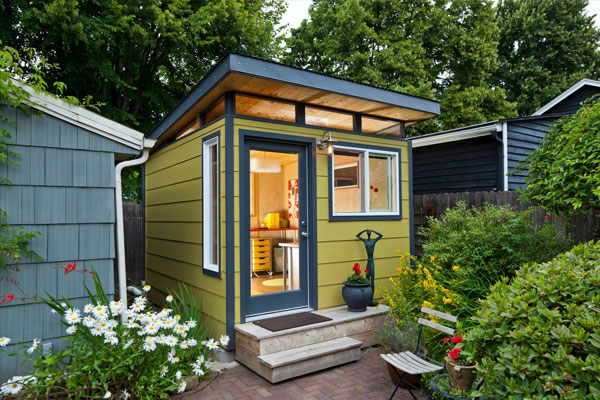
If it looks like the shed above id totally live in that shed
This post is incredibly inspiring! I love the idea of converting a shed into a tiny house. The tips on insulation and design are super helpful. Can’t wait to start my own project!
This post is so inspiring! I love the idea of transforming a shed into a cozy tiny home. The tips on insulation and maximizing space are especially helpful. Can’t wait to try this project myself!