
Off-Grid Tiny House Guide
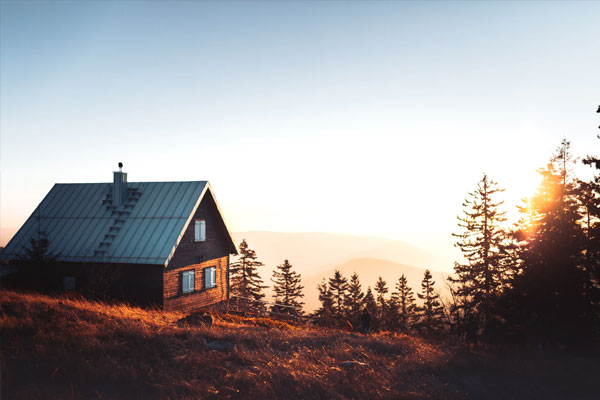 Looking for some inspiration on how to adopt an off grid tiny house lifestyle? Before you start, it’s important to know just how quickly one question can spiral into a dozen others.
Let’s take something as simple as boiling a pot of water. Where does that water come from? How do you get the energy to boil it? And of course, how do you wash and store the pot once you’re done?
Now, I’m not trying to scare you off. I’ve been off the grid for close to a decade now, and I still find it to be incredibly rewarding. My point is simply that there’s a lot to think about before you take the plunge and cut the cord for good.
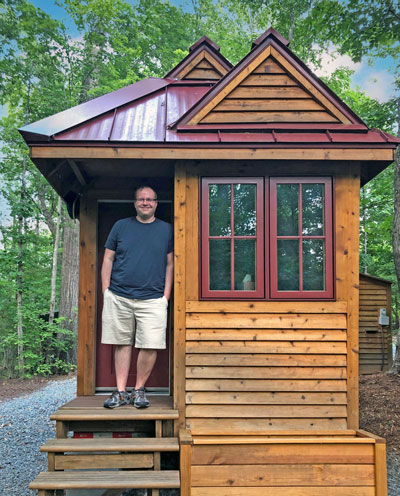
Hi, I’m Ryan
One thing I’ve picked up after living off grid for 8-plus years is that becoming self-sufficient is one of the most rewarding and freeing things you can do. It’s taught me to take things one step at a time, which is exactly how I approached this guide.

 Why Live In An Off Grid Tiny House?
People are drawn to off grid tiny homes for all sorts of reasons. For some folks, providing their own food, water, heat, and fuel is empowering. For others, the decision comes from a desire to live as sustainably as possible. There can also be financial benefits, as setting up solar panels, a well, and other off-grid systems can eliminate monthly utility bills.
A huge reason I decided to go off grid is for the sweet freedom that comes with self-sufficiency. I was finally able to extricate myself from the rat race and, frankly, I haven’t looked back since.
Ultimately, the reasons why someone might go off the grid are as wide-ranging and diverse as the people who choose to do it. But, if you’re still on the fence, you can check out this post for more reasons why living off the grid is totally worth it.
What Are The Challenges Of Going Off Grid?
I have zero regrets about my decision to live in an off grid tiny house, but that isn’t to say it’s right for everyone. Even if it is the right choice, starting the process of going off grid is a lot to handle all at once.
 So before you jump straight into growing your own food and installing solar panels, think about all the possible challenges that can come up as you start your journey. That may be finding land, managing the costs of each project, or simply figuring out which water heater to buy.
Plumbing, electricity, food production, storage, laundry, heating, and waste management are all pieces of an off-grid puzzle that you’ll have to solve.
And trust me, even if you think you have it all figured out, off grid life will always find a way to keep you on your toes.
Let’s look at some of the pros and cons of living in an off grid tiny house.
PROS
- Smaller environmental footprint
- Fewer (or no) monthly utility bills
- Greater sense of purpose
- Ability to live in more remote locations
- More control over your home’s layout
- A stronger relationship with nature
CONS
- High upfront costs
- More maintenance and troubleshooting
- Legal and zoning hurdles
- Less convenient day-to-day
- Weather can directly impact your power generation and water access
As you can see, living in an off grid tiny house isn’t without challenges. But in my experience, it’s well worth the effort. You can check out the post below for a closer look at some of the challenges you might face when going off the grid.
How Much Does It Cost To Go Off Grid?
If you ask me whether going off grid saves you money, my answer is yes, with one important caveat. The process of going off the grid can be expensive, especially at the start.
 There are a lot of upfront purchases you’ll need to make, including solar panels, plumbing fixtures, appliances, building materials, tiny house trailers, and land.
The good news is that going off grid is considered an investment specifically because these higher upfront costs lead to massive savings in the long run. And once these systems are in place, your monthly expenses will drop significantly.
On average, it takes most people around $50k or so to go off grid. However, some of you may spend significantly more or less depending on where you live, what features you want, and whether or not you’re starting from scratch.
Here are some of the major expenses you can expect when building an off grid tiny home:
- Land: $1k to $200k+
- Site Prep: $1k to $6k+
- Tiny Home: $30k to $150k+
- Trailer: $3.5k to $8k
- Water Supply: $3k to $15k
- HVAC: $500 to $5k
- Plumbing: $1k to $6k
- Septic Installation: $3k to $8k
- Solar Panel Setup: $2k to $10k
- Tools: $1k
- Permits: $500 to $4k
These numbers represent average price ranges, so don’t let them scare you. There are plenty of ways to keep your costs low and by simply doing the labor yourself, you can cut your construction costs by well over 40%. With that in mind, let’s dive deeper into the costs of going off the grid. We’ll start with one of the biggest expenses: building a tiny home off grid.
 How To Build An Off Grid Tiny House
Deciding to go off the grid is step one; step two is figuring out where you’re going to live. For the most part, you have two options: either buy or build your tiny home. Both have their strengths. Buying a tiny house is quick, fairly painless, and incredibly convenient. You just find one you like, click “buy now”, and before you know it, your tiny home will be delivered straight to your doorstep.
 That said, I still recommend building. Building a tiny home gives you complete control over the size, floor plan, and materials. So instead of picking between a few generic layouts, you can create a home that’s perfectly tailored to your needs. And keep in mind that this customization goes beyond the design.
Because you’re sourcing all of the materials and doing most, if not all, of the labor yourself, you can keep your costs much lower than they’d be with a prefab tiny home. Plus, all of that hands-on experience and knowledge you gain during the building process will come in handy whenever something needs to be replaced or repaired.
I know how daunting construction can be. But trust me, it’s a lot more manageable than you might think. Even for those of you who have never picked up a hammer before, building an off grid tiny house is totally doable. Let me show you how.
Off Grid Tiny House Design Guide
Coming up with a good design is the single most critical piece in figuring out how to build an off grid home. When you have a few thousand extra square feet to play with, getting the design perfect isn’t as critical. But in a tiny house, you’re working with less space, so small mistakes can make a big difference.
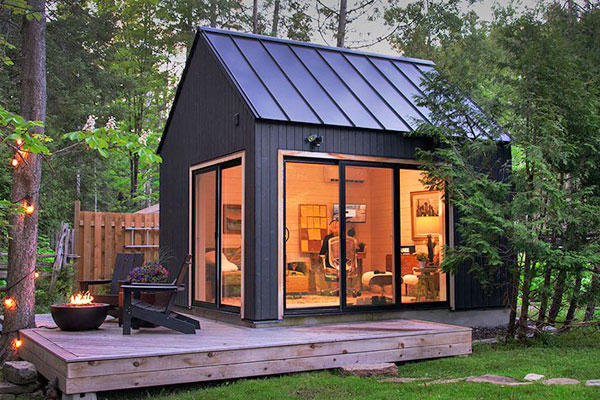 From poorly placed doors to cabinets that can’t open all the way, minor mistakes become major headaches when you have to deal with them day after day. So trust me, you don’t want to get down the road in six months or a year and have regrets about your tiny house design!
The key to coming up with a good off grid tiny house design is to think about the ways you prefer to cook, work, sleep, and entertain, and use that information to determine which areas need to be prioritized.
Next, you’ll want to put every bit of the limited square footage to work. You can use vertical space to squeeze in a spacious loft, cluster your kitchen and shower together to minimize the amount of plumbing you’ll need to do, and use natural lighting to make your space feel more open and inviting.
There’s a lot more I want to share about designing an off grid tiny house, so here’s more info on how to avoid common design missteps in your tiny dream home.
Building An Off Grid Tiny House Checklist
 Even though off grid tiny homes are much smaller than regular houses, they still have all of the same basic features. So once you’ve made the jump from designing your off grid tiny cabin to building it, you might be surprised to see just how quickly things move.
One day you’re sketching designs on paper and the next thing you know, you’re juggling framing, plumbing, roofing, flooring, insulation, windows, doors, and electrical work all at once.
Even after you finish the main build, you’ll have to worry about things like appliances, fixtures, furniture, and decorations.
But like I said before, anyone with a desire to build a tiny home off grid can do it, and complicated doesn’t mean impossible. So to help keep things manageable, I’ve broken down the entire building process into an easy-to-follow checklist. You can find it below.
Off Grid Tiny House Tools
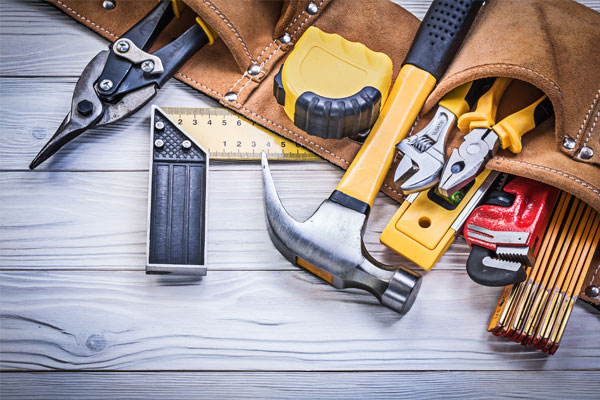 I’m often asked about what tools I used to build my self sufficient tiny house and, over the years, I’ve learned a few things about what tools you really need and which ones you can do without. You see, a well-stocked toolbox is the unsung hero of tiny living.
In any given week you’ll find yourself pulling out your tools to work on solar panels, build garden beds, cut firewood, or make repairs around the house. That isn’t to say that you need to go out and buy an entire hardware store’s worth of equipment.
There are some places where you can save money on tools and others where you want to buy the best you can afford. Here are my personal recommendations for brands and types of tools.
 How Does An Off Grid Tiny Home Get Power?
 There’s a little bit of a misconception out there that fully off grid tiny homes don’t use power. The truth of the matter is, off grid tiny homes don’t use municipal power. Even off grid homes need power, since power does more than just keep the lights on. It serves as the foundation of your heating, air conditioning, internet, and food storage.
The most common way off grid tiny houses get power is through solar panels. However, to power your entire tiny house, you’ll need to size your solar panel system properly. That takes some planning, and it’s easiest if your tiny house will stay in one spot.
Check out this post to guide you through how to power your tiny home with solar power and other alternative methods.
Using Propane In An Off Grid Tiny House
At the beginning of my journey, I was hesitant to use propane because it’s a non-renewable fossil fuel. But after crunching the numbers, it was the only realistic way I was going to be able to go off the grid.
 Propane is a great option for a tiny home because it’s practical, portable, and affordable. It’s incredibly versatile, capable of doing everything from heating your home and water to helping you cook food and keep the lights on. Propane is also not weather dependent, making it an excellent addition to a solar setup.
The downside to using propane is that you’ll have to continuously replenish your supply, so it doesn’t offer the same independence as renewable resources like wood or solar power. It also comes with some safety risks, so you’ll need to provide adequate ventilation, keep carbon monoxide detectors handy, and check regularly for leaks.
But if you truly want to live off the grid, you’ll quickly realize that using propane alongside other methods is the only practical way to do so. You can learn more about the ins and outs of using propane in the post below.
Off Grid Solar Power Systems
 Solar panels are the most common method for getting power to your tiny house off the grid. I’ve been powering my tiny house with solar panels for almost a decade, and it’s been a major learning experience.
There’s a lot to keep in mind when transitioning to solar power, like how to mount your panels on the roof, how to calculate the amount of power you’ll need to produce, and how to choose your wiring.
Check out my detailed post on solar panels, where I cover everything from choosing the best panels for off grid living to mounting and wiring them.
 Making The Most Of Solar Energy In Your Off Grid Tiny Home
After you’ve taken the time and money to invest in solar energy, it only makes sense to extract as much value from it as possible. After all, solar panels can do a whole lot more than just keep the lights on. Here are some of my favorite ways to get more value from your solar setup.
Solar Generators
One thing to consider when using solar power for your off grid tiny home is solar generators. Solar generators are portable, all-in-one units that capture energy from the sun, convert it into usable energy, and store that energy in a battery that you can tap into using a standard outlet plug or USB port.
 Unlike traditional gas-powered generators, solar generators don’t require fuel and won’t produce any noxious fumes or loud noises. They’re safe enough to use indoors and are super low maintenance. I like them because they add flexibility and give you a backup power source when your main system is down.
Unfortunately, there’s a lot of conflicting information out there when it comes to solar generators. Check out the post below for more clarity on what you can and cannot power with a solar generator, what types of generators are out there, and how to decide which generators will work best for your off grid small house.
Solar Powered Air Conditioning
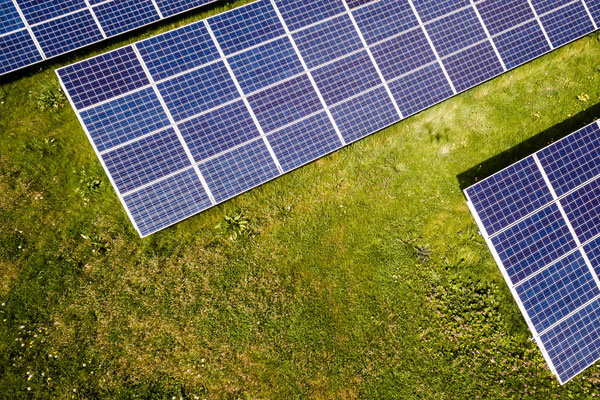 When I was first planning to move into my off grid tiny home, considering the possibility of running a solar powered air conditioner and cooling system weighed heavily on my mind. After all, having a fully functional AC unit is critical, especially in warmer climates like mine.
If AC is nonnegotiable for you too, it pays to plan for it from the start. The following post will walk you through all of the common hurdles of running AC on solar energy.
Solar-Powered Ovens
 Ever heard of using solar power to cook food in your off grid tiny cabin? Solar powered ovens use direct sunlight to heat or cook food without using gas, power, or firewood. You can even use them to pasteurize your water!
I don’t think a lot of people realize just how handy solar powered ovens can be, so in the following post, I’ll walk you through everything you need to know about solar ovens and solar cooking.
I also include honest and unbiased solar oven reviews on every top solar oven currently available, videos explaining my experience testing each solar oven, and personal interviews with each solar oven manufacturer.
 Heating A Tiny House Off The Grid
Heating a fully off grid tiny home in the winter is no walk in the park, and getting it right can be the difference between life and death. There are lots of things to consider like which heating method will work best for you, what your budget is, and how to set up heating for the entire house – especially in the colder months.
For a deeper dive into everything you need to know about keeping warm while living off the grid, check out the post below.
Using A Wood Stove To Heat A Self-Sufficient Tiny House
Most people think about using a wood stove for things like cooking food and heating your off grid tiny house, but wood stoves have lots of other benefits like humidifying the air, dehydrating food for long term storage, and drying laundry.
 Believe it or not, wood stoves can even be used for generating electricity. Thermoelectric generators are simple devices that convert heat into electricity that you can store in a battery.
Wood stoves do require some considerations like making sure you get the right size and providing adequate ventilation. You’ll also need to maintain a steady supply of firewood, which shouldn’t be too much of a problem if your off grid tiny home is located near a wooded area.
For more insight into the different ways you can maximize the value from your wood burning stove, check out this post.
Planning For Winter Months In Your Off Grid Tiny House
 A huge challenge with living off the grid is getting through colder months. Days get shorter in the winter, and you tend to have more overcast skies, which means less power from your solar panels. A smart way to combat this is to specifically size your panels to accommodate your leanest winter month.
This means that you want to have enough panels set up to make ample power for your lowest production day. When you do make it to summer, you’ll have more than enough power for all of your needs and appliances, with plenty to spare.
Read the following post to see how I plan ahead with generators and gasoline, make sure my panels stay clean, and other tips and tricks to survive harsh winters off the grid.
 How Do Off Grid Tiny Homes Get Water?
Water is one of those resources you might not think too much about until you’re the one responsible for sourcing, storing, and distributing it. But as someone who’s gone without water before, trust me when I say it gets old fast.
 You need water for virtually every aspect of living off the grid, including drinking, showering, cleaning, and caring for your garden or livestock, so it should be one of your first priorities when planning an off grid tiny home.
Some of the different ways off grid tiny homes get water include:
- Private wells
- Nearby springs, lakes, rivers, and streams
- Water delivery services
- Rainwater collection and filtration
Most off grid tiny house owners use a combination of these methods, since well pumps can fail, deliveries can get delayed, and rainwater tanks can run dry in a bad drought. Additionally, the way a tiny home gets water will look a little different depending on whether it’s mobile or permanently fixed to one location.
I’ll tell you more about how tiny homes get water in the following post.
Off Grid Greywater Systems
 What is greywater? Greywater is any variation of wastewater that isn’t sewage. It includes the lightly used water from sinks, washing machines, and showers, and unlike sewage, is clean enough to be re-used (as long as you use biodegradable soap products). Even though it’s one of those things that’s easy to overlook, greywater can be a super tool for self sufficient tiny houses!
Most folks (myself included) use greywater to irrigate their gardens, lawns, or landscaping, but you can also filter it and reroute it back into a flush toilet to reduce the amount of water used. In addition to cutting your freshwater usage by as much as 40%, greywater reduces the amount of wastewater entering your septic system.
By putting the same water to work twice, you can save time, money, and effort. So if you’re tired of flushing money down the drain, read on to learn how to make the most of greywater off the grid.
How To Get Rid Of Waste Off The Grid
It’s not glamorous or necessarily fun to think about, but figuring out how you’ll get rid of waste is nonnegotiable. I’ll touch on the two most common ways to handle waste in an off grid tiny house below, but you can check out the following post to see some additional ways to deal with waste.
Outfit Your Off Grid Tiny Home With A Composting Toilet
One of the simplest ways to deal with waste off grid is to use a composting toilet. Instead of flushing waste away, most composting toilets use a urine diverter to separate liquid and solid waste. The liquid waste goes into a tank that you’ll need to empty every few days or so.
 Solid waste, on the other hand, moves to a separate chamber that only needs to be emptied once every few weeks. The solid waste is typically mixed with a carbon-rich material like coconut coir, sawdust, or wood shavings, to help block odors and facilitate decomposition.
What happens after you empty your composting toilet will depend on your local regulations. In some areas, the compost – known colloquially as humanure – can be left to mature for a while and used to feed non-edible plants and trees. In other areas, you can throw the waste out with your regular trash.
I promise, using a composting toilet isn’t actually as gross as it sounds, and it can be a surprisingly impactful method for sewage management. Below, I’ll share more essential tiny house toilet tips and answer the questions you may not even know you have.
Install A Septic Tank For Off Grid Waste Disposal
Those of you that prefer the more hands-off approach of a flush toilet may want to consider installing a septic tank instead. Basically, a septic tank is a sealed reservoir that’s buried underground where it collects black and grey wastewater.
 Once inside the tank, bacteria break down the organic matter before the partially treated liquid is pushed into the surrounding soil where it is further filtered and cleaned before returning back into the environment. Every three to five years or so, you’ll need to get your tank professionally pumped, which usually costs a few hundred dollars.
Septic tanks allow you to safely collect, filter, and distribute waste from your home without relying on a municipal sewer connection. However, installing them the right way is critical because septic complications are never an easy fix and are almost always expensive.
In this post, I’ll shed some more light on the costs and logistical details of installing a septic tank on your own land from start to completion.
 Alternative Off Grid Tiny Home Designs
I love my off grid tiny cabin, but the best thing about tiny living is that there’s no one right way to do it. As such, there are a variety of alternative structures that you can turn into an off grid tiny house. I’ll share some of my favorites below.
Barndominium Floor Plans
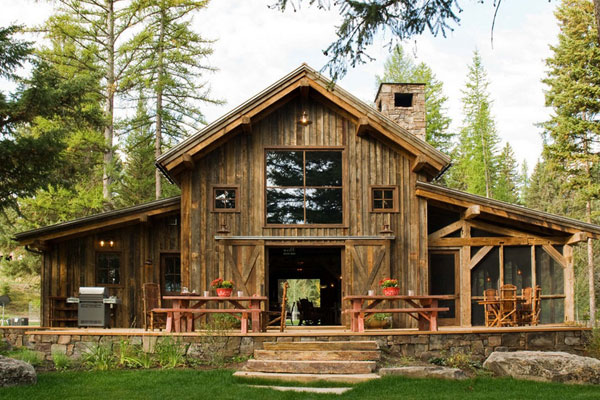
One variation of living tiny is building a barndominium. What is a barndominium, you ask? It’s essentially just what it sounds like — a barn or metal shed that’s been converted into a living space, perfect for the off-grid lifestyle.
Cheap and quick to erect, a barndo presents an excellent solution for my “where to live while I build” conundrum. If you’re considering the merits of living off the grid in a barndominium, here are the barndominium floor plans, costs, and details you need to get started.
Yurt Design Plans

Living in yurts is an up-and-coming trend within the tiny community. These hip, round tents can work well for living off the grid because the setup is similar to camping. No matter what type of yurt you find is best for you, they offer a fun and affordable off grid tiny cabin alternative.
To learn more about types of yurts, costs of living, and general design ideas, read my post below.
Shipping Container Home Design Plans

Shipping container homes are another great alternative to a traditional off grid tiny cabin. The basic structure is already taken care of, so most of your time will be spent on making the interior comfortable.
Shipping containers are also made of steel, which makes them pest, weather, fire, and rot resistant. If you want to learn more about the costs, benefits, and disadvantages of shipping container homes, check out the post below.
A-Frame Design Plans
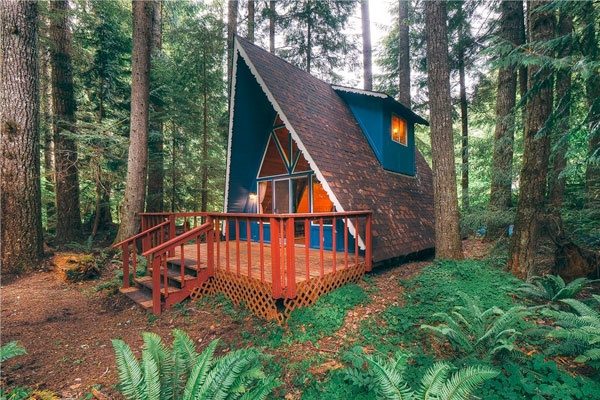
The A-frame tiny home is another design option that is easy to build on your own, be it on or off the grid. It is especially revered for its angular, retro look. If you’re considering building your own A-frame tiny house or small A-frame cabin, good plans can be hard to come by.
Studying a set of plans can help you determine a design that works for you, estimate how much a tiny house A-frame costs, what materials you’ll need, and more. In this post, I’ve put together some free A-frame plans to spark your inspiration and design your own off-grid tiny home.
 Additional Resources For Going Off The Grid
We’ve covered a lot of ground so far, but there are still plenty of other things you’ll want to consider when going off the grid. I’ve gathered these additional resources to help fill in those gaps.
Off Grid Homesteading: Growing Your Own Food

There’s a huge overlap between going off the grid and homesteading, and if you’re spending the time, money, and energy to live in a self sufficient tiny house, there’s a good chance you’re also interested in growing your own food.
I don’t think that most people realize how difficult it is to grow one hundred percent of all the food you consume. That said, you don’t need to be entirely self-sufficient to reap the benefits of food production. Growing even a fraction of your own food will lower your grocery costs, improve your food security, and give you more control over how your food is grown.
So if you have an interest in healthier, better tasting produce, here’s a guide on how to start a food garden that you can actually keep up with.
Tiny House Preppers

If anyone knows the ins and outs of living off the grid, it’s the prepper community. A prepper is an individual who focuses on training themselves in both urban and bushcraft survival skills to be prepped or prepared for all situations.
The prepper community has taken a keen interest in tiny living over the years, with a curiosity for simple and low-cost shelter options like off grid tiny cabins. Check out the post below to see the ways these communities overlap and glean some inspiration from preppers to become totally self-sufficient.
Off-Grid Internet

In the 21st century, off-gridders still need to be plugged into the internet to stay connected to news, friends, work, and colleagues. In other words, internet access is nonnegotiable. So, how can you connect to the world wide web so far from the city?
To understand how to get internet on your own, you need to understand what you actually require out of your internet connection. In the following post, I’ll outline various connection options and internet types to help you figure out what works best for you.
Setting Up Land For Your Off Grid Tiny Home

One thing I’ve realized throughout my entire off grid tiny house journey is that not only do you have to build a house, but there is quite a bit that goes into setting up the land itself. This is especially true if you want to install your own sources of power.
In other words, site prep doesn’t just mean clearing vegetation, grading, and leveling the area. It also includes things like setting up internet access, security, road or driveway access, utilities, and where your well, septic system, and solar panels will go.
Because there are so many different factors to consider, it’s easy for things to slip through the cracks, and a site that looks perfectly fine at first glance can quickly develop some major problems. You don’t want erosion, flooding, access issues, or anything else to come back and bite you, so set your off grid tiny home up for success with this guide to setting up land.
Common Misconceptions About Going Off The Grid

People might think they have an idea about what it’s like to live off grid before they try it out, but the reality is always different than expectations. I’ve been powering my tiny home on my own for a while now, and it’s become abundantly clear what I got wrong or initially misunderstood about off-grid living.
As they say, an ounce of prevention is worth a pound of cure, so take a look at these common misconceptions about living off the grid.
Bringing Your Off Grid Plan To Life
I’ve covered a lot of ground today, but it’s important to remember that going off grid isn’t something that happens overnight. It’s a process that’s as long as it is rewarding. But even now, the more time I spend off the grid, the more I’m sure that I made the right choice. I hope this guide gives you the clarity to figure out whether the same could be true for you.
Your Turn!
- Why are you considering living in an off grid tiny house?
- Do you plan on a fully off grid tiny home, or would you rather have a hybrid setup?