

NAVIGATION
I like to think of bunkies as the Swiss army knives of backyard buildings. They’re compact, versatile, and infinitely useful. But, exactly what is a bunkie?
Bunkies bridge the gap between a cozy cabin and a practical shed, but there’s more than meets the eye. So let me show you how to make the most out of these small—but mighty—spaces.
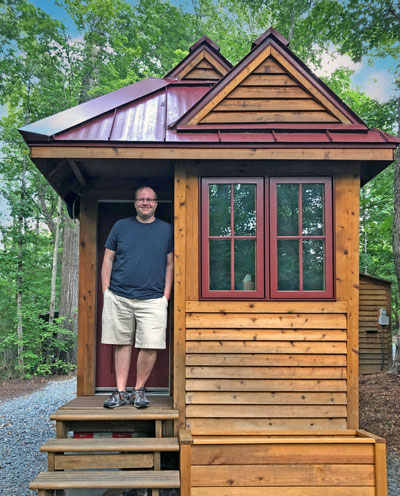
Hi, I’m Ryan
My first bunkie wasn’t perfect, but it was my home away from home. Sure, the floorboards were a little wonky, and I underestimated the amount of insulation I needed. But that little bunkie taught me the importance of patience, resilience, and using space creatively.

What Is A Bunkie?
A bunkie is a small, multi-purpose cabin located on a home property. Bunkies are fairly compact, with an average size of 99 to 250 square feet. That said, I’ve seen them get as big as 400 square feet, or a little less than half the size of a standard cabin. There’s a lot of variety in what bunkies look like.
Most of the bunkies I’ve come across don’t have any bells and whistles and are utilitarian in nature. They offer little more than the bare minimum—a roof and four walls. However, that is rapidly changing. In recent years, more and more bunkies are being outfitted with solar panels, running water, and heating systems.
What Are Bunkies Used For?
Traditionally, bunkies served as extra sleeping space—specifically for seasonal farm workers. But as they become more popular, the uses for bunkies are increasingly varied. I mostly use my bunkie as a place to write, but some of my other favorite uses include:

Can You Live In A Bunkie?
One of the main things people want to know is whether or not you can live in a bunkie. The thing is, it depends. Bunkies that don’t have proper insulation and utilities don’t make good living spaces, while bunkies outfitted with all the bells and whistles can be cozy, if not a little cramped.
It’s also important to mention that zoning laws can differ depending on your state, county, or township. Some areas limit the amount of time you can spend in a bunkie to two weeks, while others only allow bunkie cabins as long as there is a main house on the property. Things vary, so it’s important to check your local statutes before living in your bunkie long term.
Do Bunkies Have Bathrooms?
Most bunkie cabins don’t have bathrooms since installing plumbing would require a permit. I know a few people who’ve gotten around this by opting for a toilet that doesn’t require a water hookup.
Composting and incinerating toilets are the most common alternatives, but I’ve been seeing an increase in macerating toilets as well. Small and space-efficient, macerating toilets don’t require the same level of plumbing access as traditional models. That said, whether or not your bunkie has a bathroom is completely up to you.
Can You Run Electricity To A Bunkie
Yes, running electricity to a bunkie is possible. As long as it’s close enough to your main house, you can simply connect your bunkie to your existing power grid through a cable or conduit.
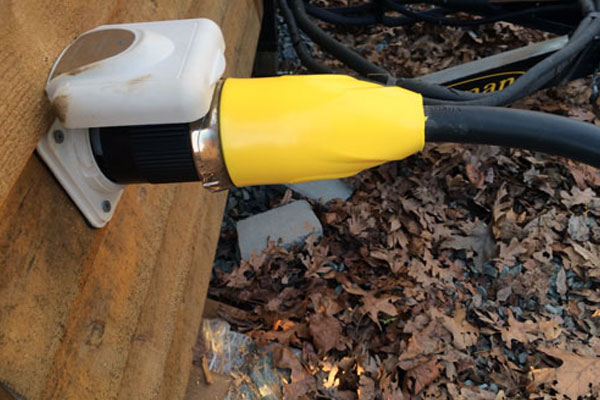 This will offer reliable energy, but it can also require a professional installation, permits, high installation costs, and adherence to local building codes.
Fortunately, it’s fairly easy to take your bunkie off-grid. Off-grid power sources, like solar panels with battery storage and fuel-powered generators, can provide energy independence, increased sustainability, and long-term savings.
The one downside is that they aren’t as consistent and reliable as on-grid power, so you’ll have to manage your energy consumption wisely.
Ultimately, your choice between off or on-grid energy will depend on your budget, location, and energy needs.
Can A Bunkie Have A Kitchen?
While most bunkies don’t have enough space for a full-size kitchen, having a small kitchenette is totally doable. But because space will be limited, you’ll probably have to get creative with your setup.
There are plenty of space-saving appliances—like mini-fridges, portable cooktops, and countertop dishwashers—that will help you get the most out of every square foot. One caveat is that in some cases, adding a kitchen will impact how the structure is classified under your local building codes.
Are Bunkies Heated?
Not all bunkies are heated, but many are. They can be heated with a variety of sources, including electric space heaters, wood-burning stoves, and propane units. There are also mini-split heating and AC systems, which help save space by acting as both a heater and an air conditioning unit.
Should You Insulate A Bunkie?
Although many pre-made bunkies don’t come with insulation, I think adding it is well worth the additional cost. Insulation keeps your bunkie cool in summer and warm in winter, which is a key part of livability. And aside from heat retention, insulation helps improve your bunkie’s air quality and noise reduction and reduce heating and cooling costs.
It also helps prevent moisture from building up, which in turn puts a stop to mold and mildew. This is especially important if, like me, you live somewhere that gets hot and humid during the summer months.
How Much Does It Cost To Build A Bunkie?
The cost of building your own bunkie varies significantly depending on the size and design, as well as the addition of things like electricity, plumbing, heating, or insulation. A simple, no-frills bunkie can cost as little as $5,000 or less, especially if you’re handy and using reclaimed or thrifted materials.
Pre-fab bunkie houses usually cost a little more upfront, starting at around $10,000 to $14,000. Keep in mind that these price estimates are just for the cost to build a bunkie. There are also a number of hidden costs, like site preparation, shipping, permits, and labor, that can add thousands more to your budget.

Do You Need A Permit To Build A Bunkie?
In most cases, you don’t need a permit to build a bunkie, but that may change depending on your specific location. Some areas have strict rules about size, usage, and placement. For example, although most regions don’t require a permit to build bunkies under 200 square feet, you may need an occupancy permit if you plan on renting it out or living in it full-time.
As a general rule, the more features your bunkie has—such as water connections or electricity—the more likely it is that you’ll need a permit. You might also need a septic system permit if you’re in a rural area without access to municipal sewer lines. Not adhering to local regulations can lead to fines or the loss of your bunkie, so make sure you check them out beforehand and plan accordingly.
Building Or Buying: Which Is Right For You?
So, you’ve decided that you want to add a bunkie to your property. Now it’s time to decide whether to roll up your sleeves and go the DIY route or invest in a pre-built bunkie model. Both have their advantages and disadvantages, so below I’ll break down how to choose which approach is right for you.
Build Your Own Bunkie: Here’s When To DIY
The main benefit of building a bunkie is that it gives you an unparalleled level of customization. And I don’t just mean that you can customize the design and layout. If you build your own bunkie, you can ensure it integrates seamlessly into your existing architecture and landscaping.
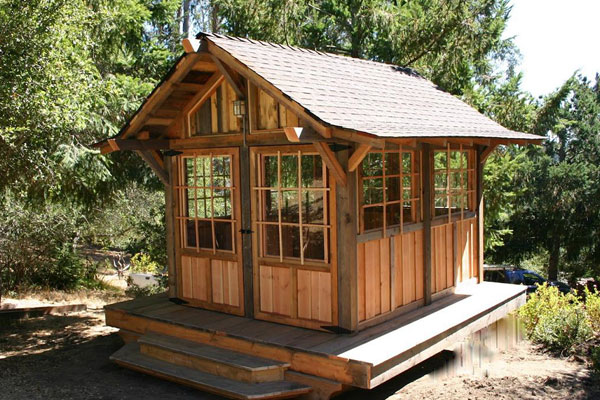 You’ll also have complete control over what materials are used, meaning you can opt for cheaper or higher-quality materials depending on what you prioritize. The one downside is that although you have more control over costs, the total cost to build a bunkie is harder to predict.
I’ve heard of budgets for bunkies doubling or even tripling before a project was through. But overall, if you have the experience, aren’t in a rush, and have a flexible budget, I think that building your own bunkie is by far the better option.
When To Skip The Hassle And Buy A Prefab Bunkie
While some people go the DIY route, most take advantage of pre-made bunkie kits. The kits usually have lower upfront costs, are quick and easy to install, and come in a wide array of sizes and designs. And because they’re built by professionals, pre-fab kits often require fewer permits. Nevertheless, pre-fab bunkies aren’t right for everyone.
For one thing, they offer less customization. They can also be prone to quality issues, depending on which builder you decide on. Another downside is that pre-fab kits still require some level of assembly. You’ll either have to hire a builder to set it up or do it yourself. For these reasons, buying is the way to go if you don’t have a lot of experience with construction, are in a hurry to get your bunkie cottage set up, or have a strict budget.
Bunkie Cabin: Pros And Cons
By now, you’re well aware that bunkies offer a unique mix of practicality, affordability, and rustic charm that can be a game changer for your property. Even so, bunkies come with their own set of limitations and challenges. From cost to creature comforts, here are the pros and cons of owning a bunkie cabin.
Bunkie Cottage Pros
- Bunkies can increase your property value – Some homebuyers look at bunkies as an asset and are willing to pay more for properties that already have one.
- Bunkies give you more space – Bunkies are one of the most cost-effective ways to add extra square footage to your property and get a little more space.
- They’re quick and easy to build – Whether you buy a pre-fab bunkie kit or decide to DIY it, bunkies take minimal time, effort, and know-how to put up.
- They can generate income – Bunkies can be surprisingly lucrative and may even help you generate extra income. You can either convert yours into a work studio or home office or list the extra space as a short-term rental.
Bunkie Cottage Cons
- Most bunkies lack amenities – A traditional bunkie prioritizes function and practicality over comfort. As a result, your bunkie may be uncomfortable or even unlivable during certain times of the year.
- Bunkies can be costly to upgrade – Bunkies are pretty bare bones, and upgrades can rack up the costs. In addition to installing things like electricity, plumbing, or heating, you may have to make modifications to ensure it can handle extreme heat, cold, or rainy weather.
- There may be zoning and building restrictions – While some areas don’t require any permits for bunkies under a certain size, others are strict about the size, placement, and purpose of your bunkie.
- They may not be suitable for harsh weather – Some bunkies aren’t equipped to handle challenging weather conditions like high winds and snowstorms without being fortified first.
Ready to jump on board the bunkie trend and buy or build your own bunkie? By now, you’ve probably realized that bunkies are more than just a little extra space: they’re an opportunity. Whether that means creating a backyard oasis, a home office, or a cozy mini-guesthouse is completely up to you. So big or small, functional or full of fun—I hope your bunkie gives you exactly what you’re looking for.
Your turn!
- If you had a bunkie, what would you use it for?
- Have you ever stayed in a bunkie? What was the experience like?