

NAVIGATION
Living in a tiny home offers freedom, lower costs, and a more sustainable lifestyle. But before I could settle in and start living my dream, there was one crucial question that I needed to ask myself — where do you put a tiny house?
While it was easy to get distracted by stunning views or an ideal location, there were a number of practical decisions I had to make. Everything from navigating the legal landscape to ensuring my tiny home had access to power and waste management had to be taken into consideration.
Understanding where you can park a tiny house can be a daunting task, but I’m here to help.
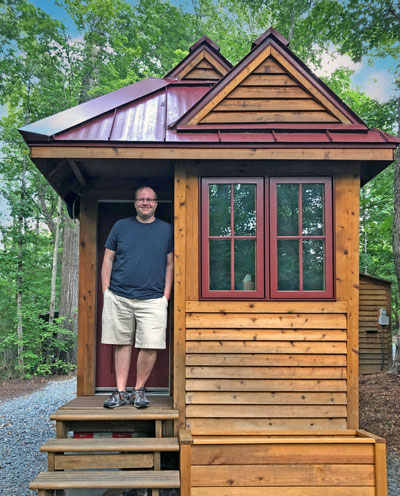
Hi, I’m Ryan
Taking my first tiny home on the road was a real eye-opener, and in the end it helped me get in touch with what really mattered: stability, independence, and proximity to nature. Even though I eventually traded asphalt for farmland, the lessons I learned along the way were invaluable.

Where To Put Tiny Houses: Best Options
Deciding where to put a fixed tiny house isn’t just about finding somewhere to stay for a few weeks: it’s about creating your new home. Fixed tiny homes don’t give you the same level of freedom as a tiny house on wheels, but they more than make up for it by offering stability, comfort, and the freedom to shape your outdoor space. Here’s what you’ll need to know before you commit.
Build Your Tiny Home On Owned Land
The simplest and most straightforward place to put a tiny house is on land that you own. That gives you the most long-term security and freedom since, for the most part, what you do with the land is up to you.
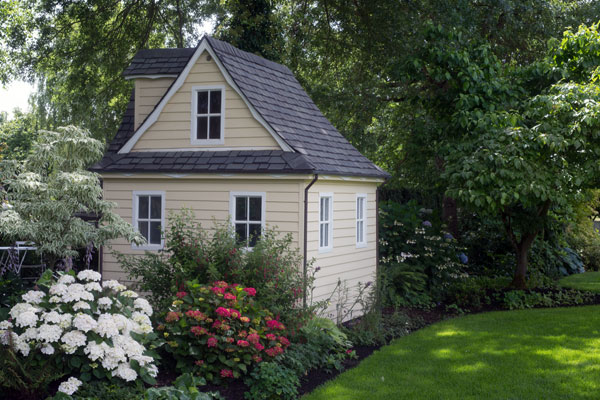 Buying land is also a solid investment, as you’ll be able to sell your land when you’re ready to move.
That isn’t to say that the grass is always greener on owned land. For one thing, buying land is one of the biggest investments you can make, and it comes with high upfront costs. If the land is undeveloped, you’ll be responsible for adding water, electricity, and a septic system — often at a significant cost.
Even after your tiny home and utilities are established, you’ll be responsible for maintaining the land and paying property taxes.
Put A Tiny Home On A Rented Lots
Renting gets somewhat of a bad rap, but I think it has its benefits. For one thing, renting land means lower upfront costs and fewer responsibilities, so you won’t have to worry about paying property taxes or maintaining the land. You’ll also have more flexibility, meaning you can pack up and leave if the travel bug bites without too much fuss.
The main downside to renting is that you’ll have less control over your land. And keep in mind that this isn’t limited to what you can do with the property. If your landlord suddenly decides to sell or change their policies, it can mean making an unexpected move that puts you right back at square one: figuring out where to put your tiny house.
Park Your Tiny House In A Mobile Home Park
Mobile home parks, or trailer parks, can be a cost-effective option for anyone looking for a place to put a tiny house. Most are already zoned for smaller dwellings, and the moving process is relatively hassle-free due to the availability of sewage, water, and electricity hookups.
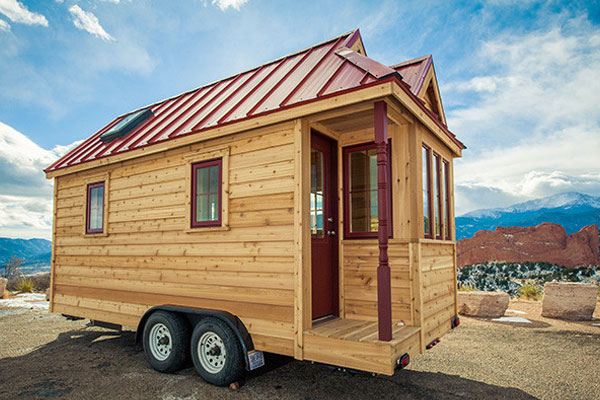 Trailer parks can also help you foster a sense of community with your neighbors, which can be especially helpful if you need someone to keep an eye on your garden while you’re away.
Like anywhere else, putting a tiny house in a mobile home park comes with drawbacks. If you’re renting a space, the lot fees can add up over time. You’ll also be subject to rental cost increases or changes in management. Some trailer parks even have restrictions on the types of tiny homes allowed. But with lot rentals starting off as low as $100 a month, I think they’re well worth considering.
Keep Your Tiny Home In A Residential Neighborhood
Out of all the places where you can put a tiny house, residential neighborhoods are probably the most popular. I personally know a number of people who’ve moved their tiny homes into a friend or family member’s backyard as an ADU (Accessory Dwelling Unit). That allows them to take advantage of the convenience, safety, and security of a neighborhood without going through the hassle of purchasing or formally renting land.
In addition to standard residential neighborhoods, tiny home communities are popping up across the country. These neighborhoods offer a sense of community that’s hard to find elsewhere.
One thing to keep in mind is that in addition to the standard regional regulations, each neighborhood has its own set of rules. So while some neighborhoods will accept tiny homes, others may prohibit them — especially if they have an HOA.
What Type Of Land Is Best For A Tiny House?
When it comes to placing a tiny home, not all land is created equal. Zoning laws, access to utilities, and your living preferences can be the difference between a dream home and a nightmare. Let’s explore which type of property will best suit your needs.
Rural
For anyone who loves the open air and has plans of living off the grid, it doesn’t get any better than living in a rural environment. Rural areas are surrounded by nature and offer privacy, cleaner living environments, a lower cost of living, and plenty of space. And with fewer zoning restrictions, you’ll have a lot more freedom in terms of how and where you build a tiny house.
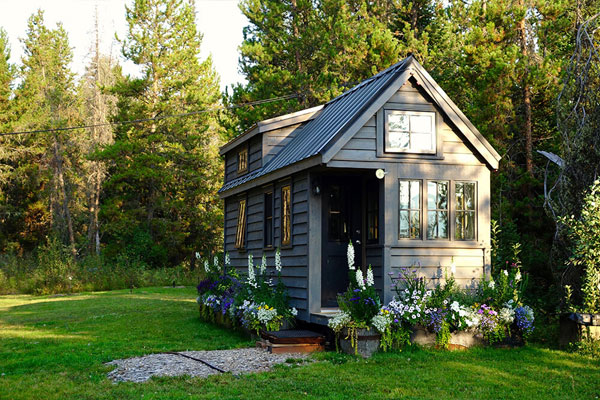 The one downside to living on rural lots is that, in many cases, you’ll have to forge your own path. When I first moved to my compound, I had limited access to water, internet, and emergency services. I also had to create my own road to access the closest major highway.
Even though they all came at a cost, none of these factors were a deal breaker. I simply installed a septic system, outfitted my tiny home with solar panels, and created my own water line connection. I was even able to find internet providers that cater to a rural clientele.
Urban
Urban areas might not be the first thing you think of when deciding where you can put a tiny house, but it’s hard to beat the convenience a city offers. For starters, urban areas have unrivaled access to public transportation, jobs, amenities, and utilities. They also offer much more in terms of shopping and entertainment.
Some cities have started allowing tiny homes classified as ADUs (Accessory Dwelling Units), as long as they’re permanently affixed to a foundation. The main downside is that urban lots are both smaller and significantly more expensive. They’re also subject to extremely strict zoning regulations and building codes. But if you have your heart set on living — or even homesteading — in a big city, I think it’s worth the challenge.
Suburban
Can’t decide between living in an urban environment or a rural one? With suburban areas, you don’t have to choose since they offer the perfect balance of urban convenience and rural flexibility.
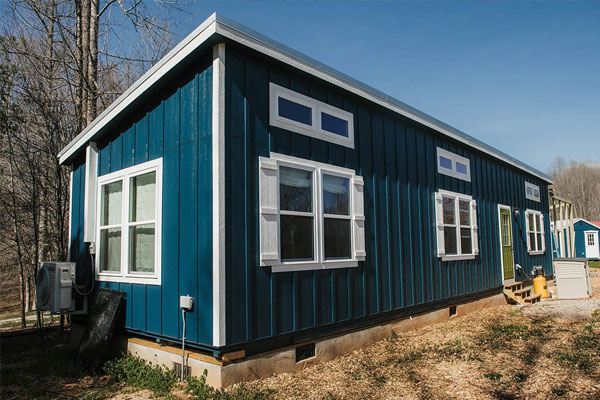 Don’t get me wrong, you won’t get as much privacy or access to nature as you would on a rural lot. But the availability of municipal water, electricity, sewage, and waste disposal makes the suburbs a worthwhile choice.
The price of renting or buying a suburban plot may be higher than it’d be for a rural plot, but many neighborhoods compensate for the high costs by providing shared amenities like golf courses, pools, community gardens, and gyms.
Because suburbs are usually located within commuting distance of a large city, you’ll probably have access to schools, businesses, emergency services, and a variety of entertainment options. As with other types of land, suburbs are subject to zoning regulations and restrictions that can limit what tiny homes are available to you. You may also have to contend with an HOA that further limits your options.
Where Can You Put A Tiny Home On Wheels?
While you can usually get away with keeping a tiny home on wheels in a neighborhood or on private property, the main selling point of these homes is their mobility. Depending on how they’re built, certified, and registered, tiny houses on wheels can be classified as RVs rather than houses.
RVIA (Recreation Vehicle Industry Association) certification allows you to bring your home pretty much anywhere you can park an RV. One thing to keep in mind is that these areas come with time restrictions, making them better suited to short-term stays and frequent travel lifestyles. I’ll dive into more of the specifics below.
Bring Your Tiny Home To A National Park
With stunning natural surroundings and various outdoor activities, national parks are probably one of the most appealing places where you can park a tiny house. So you’ll be happy to hear that, for a small fee, many parks allow RVIA-certified tiny homes on wheels in their designated camping areas. The campsites often include hookups for water and electricity and offer easy access to hiking trails, lakes, and plenty of recreational opportunities.
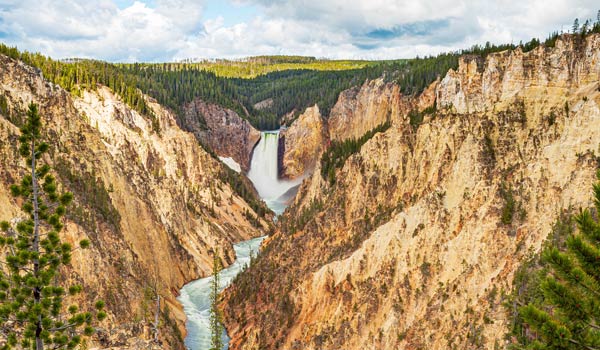 That said, there’s no getting around the fact that national parks are not built for long-term stays. The length of time you can stay in a park varies, but it’s usually limited to just two weeks. However, I’ve seen parks that limit stays to as few as 5 days, and I know of a handful that’ll let you stay for up to thirty.
Another thing to consider is that national parks prioritize the land. As a result, I’ve noticed that the parking lots, interior roads, and campgrounds can’t always accommodate larger tiny homes. Because things vary, it’s essential to check with the park you have in mind ahead of time.
Park Your Tiny Home In RV Parks And Campgrounds
As long as your tiny house is built to RVIA standards, most RV parks and campgrounds are happy to accept them. They’re a popular choice among tiny home enthusiasts due to their convenience and affordability.
RV parks usually charge between $25 to $60 per night while campgrounds generally range from $10 to $50 per night depending on the location and what the park has to offer.
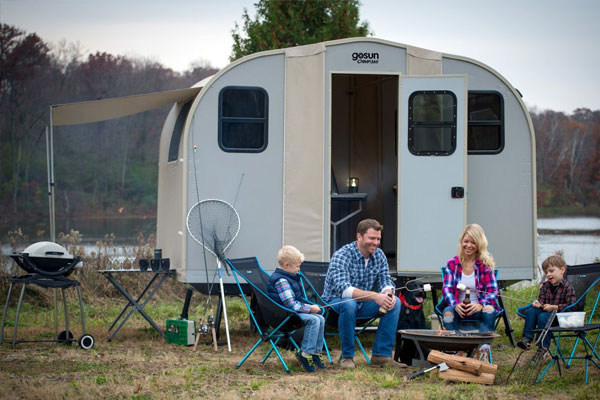 In addition to being affordable, most RV parks and campgrounds come equipped with hookups for water and electricity. Some even offer premium amenities like cable, sewage, and internet.
Both RV parks and campgrounds are typically intended for shorter stays, partially as a result of state-imposed time limits.On average, the length of stays range from two weeks to six months. However, some states with RV-friendly legislature allow indefinite stays.
Stay Overnight At Rest Stops And Truck Stops
A lot of people are surprised to find out that truck stops and rest stops often allow RVIA-registered tiny homes to stay for short periods of time. These stops are unmatched in terms of convenience. They’re almost always located off major highways and often provide access to basic amenities like bathrooms, vending machines, charcoal grills, and water fountains.
One major downside is that as high-traffic areas with little to no oversight, rest and truck stops can pose a safety risk. It’s also important to note that, due to their nature, stays are typically limited to just 24 hours or fewer. So, while you won’t be able to stick around for the long haul, they make a great emergency or on-the-go solution.
Can you Park A Tiny Home In A Trailer Park?
Yes, in some cases you can park a tiny house on wheels in a trailer park. As long as your house is built to RVIA standards, many parks will give you the option to either buy a plot outright or rent the land and access to utilities on a monthly basis. However, this varies depending on the park.
Some require all housing units to comply with HUD requirements, while others restrict what sizes and designs are allowed. So ultimately, you’ll have to check in with the mobile home management to confirm what tiny homes are or are not permitted.
What States Do Not Allow Tiny Homes?
Tiny homes are allowed in most U.S. states, but some states discourage them by maintaining strict regulations regarding the size, placement, and/or design of your home. Alaska, Louisiana, Iowa, New York, Wisconsin, North Dakota, New Jersey, and West Virginia are among the states with the strictest regulations and may require your tiny home to have features like an emergency exit or minimum ceiling heights.
This isn’t to say that tiny homes are expressly forbidden, but it may make it difficult to build one up to code. These regulations vary by state, city, and even county, but there is some good news. As tiny home become increasingly popular, the legislation surrounding them is easing up. So hopefully, it won’t be too long until you can put a tiny house anywhere you want to.
What Are The Best States For A Tiny House?
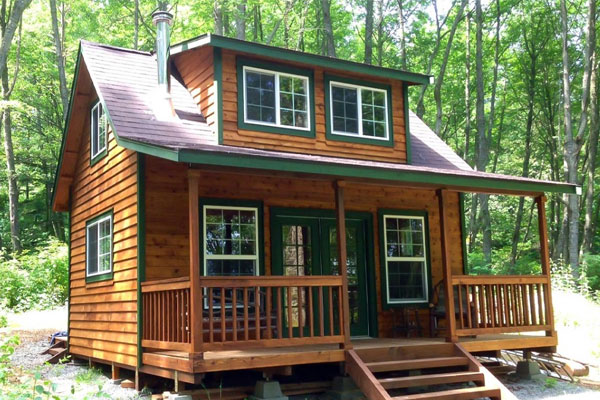
If you’re feeling discouraged by the number of places that aren’t amenable to tiny homes, you’ll be happy to hear that there are just as many tiny home-friendly states. These states offer more flexible zoning laws, tiny home-friendly legislation, and more affordable land costs. A few even have established tiny home parks that can make moving in a breeze. Some of the best states where you can build a tiny house include:
Finding The Perfect Home For Your Tiny House
When deciding where to put a tiny house, the right location makes all the difference. Knowing that, it’s easy to feel overwhelmed. That’s why it’s important to remember that flexibility is one of the best aspects of tiny living. And whether that means spending a year touring various national parks or settling down in a tiny home community — the decision is completely up to you.
Your turn!
- If you could park your tiny house anywhere in the world, where would it be?
- Do you plan on taking your tiny home on the open road? If so, why?
I have completed the interior of a 12’x30′ storage building and turned it into a tiny home. It is not on wheels and will need to be on a permanent foundation. Should I look into getting it “RVIA certified” and how do I get it “RVIA certified”? I will probably move it down to a lot I purchased that is close to our local river and has city water and sewer hookups.
Is there any publication available that lists the links to websites for Tiny House requirements or better yet, a list of exclusions and requirements for each state?
Looking for a place in the NC mountains OR on a lake within 3 hours or less from Charlotte NC