

NAVIGATION
There’s something incredibly comforting about the idea of living on a compound. When done correctly, family compounds offer a lifestyle that many can only dream of. Well, I’m here to tell you that dream can be a reality.
Living on a compound is a collective endeavor that takes planning, research, and a level of collaboration that a lot of people aren’t used to in their day-to-day lives. But in return, you’re rewarded with a lifestyle that helps you forge deeper familial bonds, increase self-sufficiency, and transform your ordinary life into a shared legacy.
Whether you’re looking to start a modest, single-family compound or a sprawling, multi-family homestead, this guide will walk you through every step.
Hi, I’m Ryan
There’s a misconception that living on a compound means completely giving up on the idea of privacy and independence, but that isn’t the case. Although I haven’t lived in one myself, from what I’ve seen the most successful family compounds are the ones that strike a balance between living separately and working together towards a common goal.

What Is A Family Compound?
A family compound is a type of living situation in which multiple generations of a family live together on a shared piece of land. For the most part, everyone has their own separate living space and shared access to communal areas. Multi-family compounds expand on the concept and are comprised of multiple — often unrelated — families. With both family compounds and multi-family homesteads, living in close proximity helps foster a strong sense of community and social support.
How Much Does It Cost To Build A Family Compound?
Building a family compound can cost anywhere from $300,000 to $1,500,000 depending on the location, the number of family members involved, and whether or not the compound is being built from scratch. If you’re experiencing some sticker shock, it’s important to keep in mind that this estimate includes everything from land acquisition and construction to site prep and permit fees. And don’t forget that if multiple families are involved, you may also be dividing this number up between you.

How To Start A Family Compound Step By Step
Building a compound is a little more complicated than just buying some land and throwing up a few houses. Here’s how to build a family compound in a way that’s practical, legal, and — most importantly of all — deeply fulfilling.
Step 1: Figure Out What Kind Of Family Compound You Want
It’s easy to overlook just how important researching family compound ideas is, but what you learn in this step will essentially end up being the backbone of the entire operation. The information you uncover will shape every aspect of your family compound.
 As you do your deep dive, outline everyone’s objective and figure out what each member of the compound wants to get out of compound living. Then, after you finish the preliminary brainstorming, visit a few family compounds to get firsthand experience.
After all, no one knows what works and doesn’t work on a family homestead compound better than the people already living on one, and the insight they can provide is invaluable.
Step 2: Kickstart Your Compound By Pooling Your Resources Together
Once your goals are clearly defined, it’s time to start pooling together your resources. Figure out what everyone can bring to the homestead — monetarily and otherwise — to help things run smoothly. One family member may bring their carpentry skills while another handles gardening or the family compound expenses. Doing this will both cut down on costs and help reinforce a sense of community and shared responsibility.
Step 3: Set Up The Legal And Financial Framework For Your Family Compound
As your family compound starts to take shape, it’s important to lay down the legal framework that will protect everyone’s investment. In addition to deciding how you’re going to handle ownership, you’ll need to figure out if the family compound plans include income generation and how the money is going to be distributed.
Similarly, you’ll want to figure out if expenses are going to be split evenly or what happens if someone decides to leave. A lot of issues can come from mixing business and family, so I think it’s worth reaching out to a lawyer or financial advisor to ensure everyone is on the same page.
Step 4: Find Land That Supports Your Family Compound Goals
If planning is the most important step in building a compound, finding the right parcel of land isn’t far behind. So use those newly outlined family compound goals to decide which parcel of land meets your needs the best. Plan on raising ducks or geese?
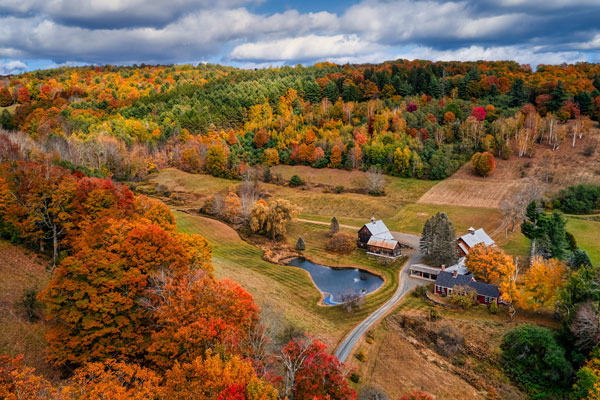 You’ll probably want land that features a body of water. Is farming the priority? If so, you’ll want to stick with flat, fertile terrain somewhere that has a long growing season.
In addition to the practical limitations, you’ll also want to take a deep dive into how the zoning laws in a given area can make or break your family compound.
Areas with restrictions on things like septic, livestock, water wells, and the number of dwelling units on each parcel might not be suitable for family compound living.
Step 5: Start Working On Your Compound Buildings
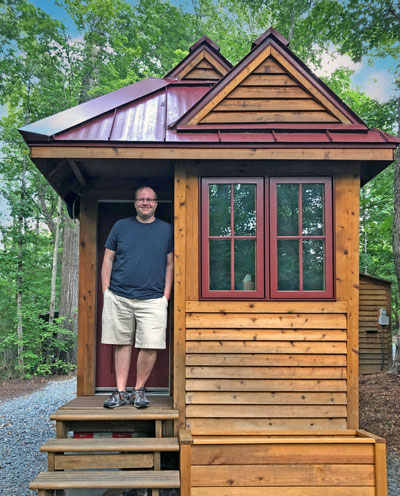
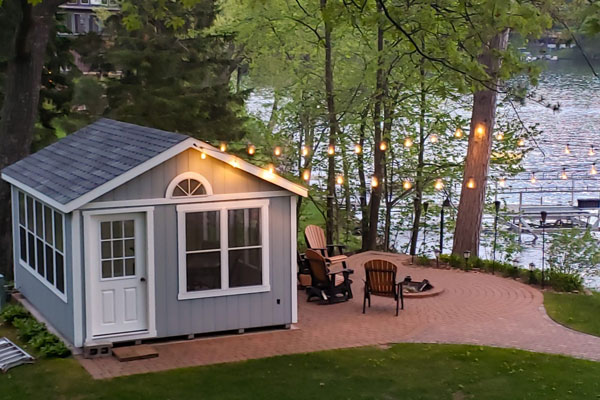
Unless you’re working with a huge upfront budget, you’ll probably want to construct your compound buildings in stages. Start with the essentials, like living spaces and utilities, and work on everything else as you’re able. And don’t be afraid to start small. Purchasing RVs, tiny homes, and prefab mobile houses can help keep costs low. Many are even move-in ready and come pre-equipped with utility hookups.
Step 6: Make Sure Everyone In The Compound Stays On The Same Page
After you move onto your family homestead, you may think that the hard work is over. But in reality, it’s just beginning. Preventing issues is much easier than solving them, so I can’t stress enough how important it is to get everyone on the same page. In my opinion, the easiest way to do just that is to look at what neighborhoods and apartment complexes are doing.
Most complexes have clearly defined quiet hours, guest policies, and waste management protocols. You may even want to come up with written agreements for shared responsibilities — including gardening, childcare, pet cleanup, and property maintenance — to head off future arguments before they start.
Being proactive will help cut down on a lot of confusion later down the line, but the odds are that conflict will eventually arise. If and when that time comes, practicing active listening and falling back on pre-established conflict resolution agreements can go a long way toward diffusing tension on the family compound.
Pros And Cons Of Living On A Family Compound
Building your own family compound can either be a dream come true or a logistical nightmare, so knowing what to expect is crucial. Below, I’ll break down some of the pros and cons to help you decide if compound living is right for you and your family.
Pros Of Living On A Family Compound
- You have a built-in support system – The main draw of living on a compound is that it keeps the people who are important to you close. Family compound living can help strengthen relationships and makes it easier to care for elderly or disabled loved ones.
- Family compounds are surprisingly cost-effective – Although they require an initial financial investment, family compounds make it easier to live affordably. Aside from having a built-in network of potential babysitters, families can share everything from lawn mowers and vehicles to bulk groceries and garden harvests.
- Family compounds can be money makers – I don’t think a lot of people realize how lucrative family compounds can be. Aside from the obvious ventures, like running a for-profit farming, crafting, or hunting business, you can list the property as a long or short-term rental or event space.
- Compound living offers safety and peace of mind – I always say that there’s safety in numbers, and that’s especially true when it comes to friends and family. Family compounds can give you a sense of security and the peace of mind of knowing that your loved ones are only a couple of minutes away.
Cons Of Living On A Family Compound
- You may run into zoning and legal hurdles – Depending on where you live, local laws may limit the number of compound buildings you’re allowed to have.
- Family compounds have high upfront costs – No matter how you slice it, building a family compound or multi-family compound is going to cost a pretty penny. Some of these costs can be mitigated, but you’re still looking at a significant financial investment.
- Compound living can lead to family conflicts – I don’t know if you’ve ever heard of the saying “familiarity breeds contempt,” but living in such close proximity to your friends and family can magnify unresolved issues and create new ones.
- Living on a compound may impact your privacy – Even with separate living quarters, being so close to your relatives can increase the chances that your boundaries are crossed. In a regular neighborhood, your neighbors aren’t going to pop in for an uninvited walk-in or borrow your property without asking. But on a family compound? That may very well be the case.

Family Compound FAQs
No matter how you go about it, starting a family compound is a serious undertaking. So, to help you get the full picture, I’ll address some of the most common questions people ask when they’re thinking about building a family compound.
What Is The Best State To Build A Family Compound?
A few states stand out due to their family-compound-friendly legislature, reasonable land costs, and lower costs of living. Most are also great farming states, with fertile soil, agricultural infrastructure, and a long growing season. Some of the best states to build a family compound include:

For anyone curious about the worst states in which to build a family compound, I’d have to say it’s a toss-up between California, New York, Connecticut, New Jersey, and Hawaii. While there’s nothing inherently wrong with them, they have incredibly high building and land costs and some of the strictest land use regulations in the country.
How Can You Start A Family Compound With No Money?
Even if you have access to family land or an inherited property, starting a compound is going to take capital. There’s no way of getting around it. That said, things can add up when you have multiple people pooling their resources together — and I’m not just talking about cash.
Pooling together money, skill sets, assets, and labor can significantly reduce costs. If you’re still falling short of your goal, take advantage of alternative financing options like crowdfunding, grants, and peer-to-peer lending.
How Many Acres Do You Need To Start A Family Compound?
It’s hard to say how much space you’ll need to start a compound since it depends on factors like the number of family members involved and whether you have specific farming or land use goals in mind. But for a family compound made up of just you and a handful of your closest friends and family members, you can build a thriving family compound with just 2 to 5 acres.
Multi-family homesteads tend to be quite a bit larger, so they require a little more acreage. I’d recommend at least 1 to 3 acres per family. That’ll give you plenty of space for both private and communal areas while maintaining a decent level of privacy and independence.
How Many Single-Family Homes Can Fit On An Acre?
The number of single-family homes allowed on a single lot varies depending on local zoning laws. But in terms of usable space, you can comfortably fit 5 or so average sized homes — or 10 to 20 tiny homes — on a one-acre family compound.

Are Family Compounds Worth It?
Living on a compound isn’t the right call for everyone. But, as long as there’s mutual respect (and a balance of private and shared spaces), that family compound might just be the most rewarding investment you ever make. It won’t necessarily be easy, but the ability to build a lasting legacy with your closest loved ones is worth every painstaking step.
Your turn!
- Would you prefer to live in one large, shared home or multiple tiny homes on a shared property?
- What is your biggest challenge when it comes to planning and building a family compound?