

NAVIGATION
The search for alternative housing often ends in a choice between tiny houses and mobile homes, and at first glance, they may seem similar. Both offer smaller price tags than conventional homes and a unique take on downsizing. But that’s pretty much where the similarities end.
The tiny house versus mobile home debate goes beyond just size and cost. Lifestyle, aesthetics, and potential legal hurdles all factor into which one will be the best fit.
So, if you’re wondering how exactly you’re supposed to decide between them, you’ll want to stay tuned. This guide will help cut through the noise and figure out whether a tiny house or mobile home is right for you.
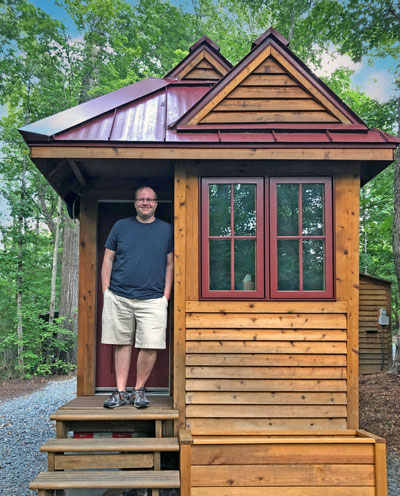
Hi, I’m Ryan
When first starting my tiny life journey, I went back and forth on whether to get a tiny house versus mobile home. But ultimately, tiny homes took the cake. I couldn’t pass up the opportunity to challenge myself and learn how to make the most out of every square inch.

What’s Different Between A Mobile Home And Tiny House?
I’ve come across people who use the terms mobile home and tiny house interchangeably, but there are some clear differences between the two. To start, tiny houses are simply defined as homes that are fewer than 400 square feet. They can be built on site or purchased and shipped to the site in pre-fab sections that you later assemble.
 Tiny houses are usually fully equipped with the amenities that you’d see in a regular home, like bathrooms, kitchens, closets, bedrooms, and laundry rooms. They may or may not be built on a permanent foundation, but they’re usually easier to move than a mobile home due to their small size.
On the other hand, mobile homes can be anywhere from 600 to 2000 square feet. Mobile homes are prefabricated structures, meaning they’re built in factories and shipped to a specific location rather than being built on-site. Because of that, they fall under the jurisdiction of the HUD (U.S. Department of Housing and Urban Development).
The HUD is a federal agency that oversees public housing, enforces fair housing laws, and provides funding for housing development and assistance programs. It also sets safety and construction standards for manufactured homes regarding their wiring, plumbing, safety features, and energy efficiency.
Are Tiny Houses And Mobile Homes The Same Legally?
When it comes to legal classifications, tiny houses and mobile homes couldn’t be more different. I’ve noticed that tiny homes exist in a sort of legal grey area, where the classification varies depending on how they’re built. For example, tiny homes on wheels are classified as RVs instead of houses.
As a result, they aren’t subject to the same zoning laws, building codes, or placement rights. Alternatively, tiny houses on foundations are treated much more like a traditional home. Unlike tiny houses, mobile homes are regulated by the HUD and must comply with HUD standards.
Because most of the legal requirements are put on the manufacturer rather than the buyer, mobile homes tend to come with easier access to permits. There’s also a more uniform legal landscape, since they’re regulated at the federal level.
Is A Tiny House Considered A Manufactured Home?
I’ve had a lot of people ask me if a tiny house is considered a manufactured home, and the answer is that it depends on how and where they’re built. A manufactured home simply means that the house was built in a factory and moved to a site for installation. If your tiny home falls under that definition, it is a tiny home. However, if your tiny home is built or assembled on-site, it’s not.
The same goes for tiny homes on wheels, since they’re treated like vehicles instead of houses. Keep in mind that this distinction can have legal ramifications. Tiny houses are subject to different regulations than manufactured homes and may not qualify for the same loans, permits, insurance, or zoning access.
Is It Cheaper To Buy A Mobile Home Or Build A Tiny Home?
While the price of a mobile home or tiny house varies depending on the size and design, mobile homes tend to have lower upfront costs. Mobile homes benefit from mass production, which is reflected in their smaller price tags.
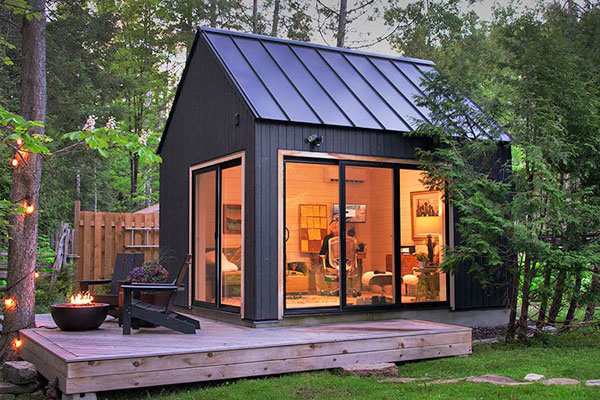 A brand new single wide is between 500 to 1,300 square feet and usually costs between $60,000 and $90,000. They also come fully equipped with electricity, sewer, and water hookups. In comparison, tiny homes are 400 square feet or smaller. Although the costs to build a tiny house can be higher or lower, I usually see them in the $20,000 to $100,000 range.
Don’t get me wrong, building a tiny home can be cost-effective. This is especially true if, like me, you go the DIY route and work with reclaimed or thrifted materials. You’ll also end up saving in the long run since, in my experience, tiny homes hold up better and need less maintenance.
The main financial downside to building a tiny home is that the costs are harder to predict. Unlike with mobile homes, you’ll have to install the utilities yourself, and it’s incredibly easy to go over budget since there are so many different elements to address. I’ve had the budget for a tiny home build double overnight due to an unforeseen issue with plumbing or electricity.
Do Mobile Home Parks Allow Tiny Houses?
Not all mobile home parks are the same, so whether or not they permit tiny houses depends on the particular park in question. This inconsistency is mostly due to how tiny houses are classified, as zoning regulations vary by state, county, city, and district.
Many mobile home parks only allow HUD-approved manufactured homes. And since most tiny homes aren’t HUD certified, you may have a harder time finding a park that will accept your tiny house. That said, there’s some good news on the horizon!
As the tiny home movement gains traction, a growing number of mobile home communities are warming up to them. In the meantime, you increase your chances of living in a mobile home park by ensuring your tiny home is either built to HUD standards or certified as an RV.
Choosing Between A Tiny House Versus Mobile Home
Despite their similarities, tiny houses and mobile homes cater to two very different lifestyles. And, although for me tiny homes take the edge overall, there are areas in which mobile homes shine.
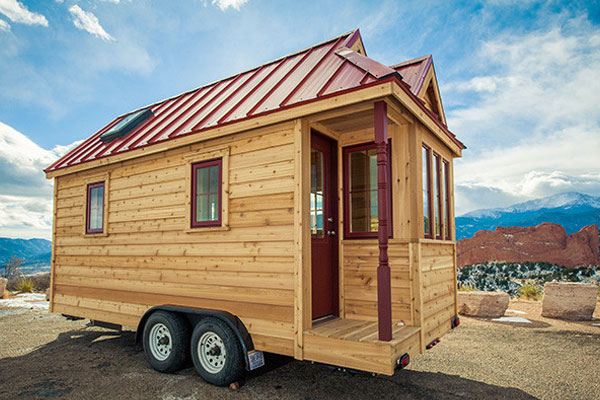 For starters, mobile homes offer fast, affordable housing with little to no legal headaches. They’re also ideal for large and multi-pet households, even though you’ll have less input into the design.
At the same time, tiny homes are best suited to people who value minimalism, sustainability, and simplicity. They give you complete creative freedom, providing quality at a slightly higher price point. Tiny homes also have more potential as investment properties, as they retain their value at a better rate than mobile homes.
Tiny House vs. Mobile Home: Tiny House Pros And Cons
There’s a lot to love about tiny houses, but they aren’t completely without challenges. Below, I’ll walk you through some of the benefits of a tiny house versus a mobile home.
Tiny Home Pros
Tiny Houses Are Higher Quality Than Manufactured Houses
Tiny homes are typically built with higher quality materials than mobile homes and have more complex designs. You can also incorporate more custom features, like unique layouts and storage solutions.
Tiny Homes Come In A Wider Variety Of Styles
While mobile homes are mass produced, tiny houses are usually built with a strong sense of craftsmanship. As a result, they’re usually more aesthetically pleasing than mobile homes. Additionally, many builders stay up to date with design and architectural trends, giving you a much better selection to choose from.
Tiny Houses Are Easier To Move Than Manufactured Homes
There’s a good reason why tiny homes are so closely associated with a nomadic lifestyle. Tiny houses on wheels are meant to be mobile, but even tiny houses on foundations are relatively easy to move from one location to another.
Tiny Houses Retain Their Value Better Than Mobile Homes
When it comes to resale value, tiny houses take the edge. While their resale value is generally lower than that of traditional homes, the growing interest in the tiny home movement will likely change things.
Tiny Houses Have Lower Utility Costs
Smaller spaces require less electricity, heating, and cooling, which can lead to a reduction in monthly expenses. It’s also easier to incorporate off-grid power systems like solar generators and composting toilets.
Tiny Home Cons
Tiny Homes Are More Likely To Run Into Zoning Issues
Tiny homes often fall into a grey area when it comes to zoning and building codes. Additionally, some cities have restrictions on where tiny homes can be placed, which can make finding a suitable lot more difficult.
Tiny Houses Are More Expensive Than Manufactured Homes
Although they’re more affordable than a traditional house, tiny homes cost more per square foot than mobile homes. There’s also a good chance that you’ll have to finance your tiny home out of pocket, since banks may not view a tiny home as a viable real estate purchase.
Tiny Homes Are Smaller Than Mobile Homes
The defining feature of a tiny home is its small size. Space is at a premium, and they offer limited space for pets, family members, and storage. They’re best suited for minimalist lifestyles, so you may have to adjust your shopping and socializing habits to fit the smaller space.

Tiny House vs. Mobile Home: Mobile Home Pros And Cons
In your search for budget-friendly housing, mobile homes might just be the answer. But there’s more to consider besides price.
Mobile Home Pros
Mobile Homes Are Bigger Than Tiny Houses
Mobile homes vary in size, but most units are between 500 to 2,300 square feet. They offer more space for families and can help you downsize without fully embracing minimalism.
Mobile Homes Are Usually Cheaper Than Tiny Houses
Compared to tiny homes, mobile homes are less expensive for the amount of square footage they offer. Most are also move-in ready, reducing the need for costly setup and installation fees.
Mobile Homes May Require Fewer Permits
Because mobile homes are regulated by the HUD, you’re less likely to run into zoning issues. That means a smoother move-in process and fewer permits. There are also established mobile home parks, making it easier to find land zoned for manufactured homes.
Manufactured Homes Are Easier To Finance
Mobile homes qualify for many of the same loans and financing options available for traditional housing. That can help ease your financial burden and speed up the time it takes to acquire a new home.
Mobile Home Cons
Mobile Homes Offer Less Customization Compared To Tiny Homes
A lot of mobile homes are pre-fab, meaning you don’t have much of a say in the design process. While purchasing a new home or renovating an existing mobile home will give you some level of customization, mobile homes don’t offer the same level of flexibility as tiny houses.
Living In Mobile Home Parks Can Be A Hassle
Most people who buy mobile homes choose to live in mobile home parks, which come with a monthly fee. They’re also subject to park rules, which may be restrictive depending on the management team.
Manufactured Housing Tends To Depreciate
Mobile homes lose their value over time and have a much lower resale value than tiny homes. This is especially true if they’re placed on rented rather than owned land.
Mobile Homes Carry More Of A Social Stigma Than Tiny Homes
Mobile homes have come a long way in recent years, but they still suffer from a variety of misconceptions and stereotypes. Unfortunately, this bias can affect resale value and community acceptance.

Which One Is Right For You: Tiny House Or Mobile Home
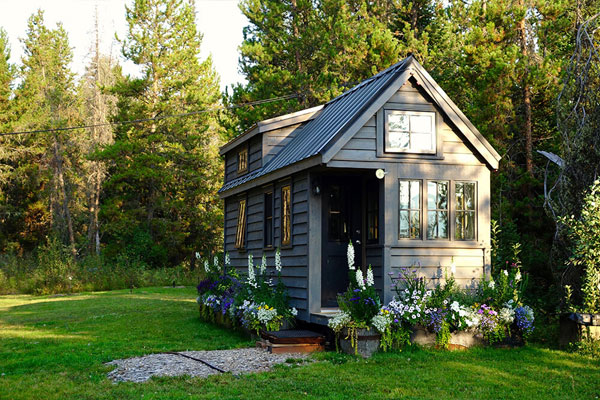 There are a lot of differences between a mobile home and a tiny house, but both are solid living options. Mobile homes combine spaciousness with affordability and ease, while tiny homes can give you complete creative control and a sense of freedom.
Neither option is inherently better or worse than the other — they just serve different needs. So take your time and use your budget, desired location, and comfort with local zoning regulations to help guide your decision-making process.
Your turn!
- Mobile home or tiny house: which one would you rather live in and why?
- What are some of your must-have features in a tiny home?
Your blog is a treasure trove of knowledge! I’m constantly amazed by the depth of your insights and the clarity of your writing. Keep up the phenomenal work!