

NAVIGATION
Once I added ducks to my flock I had to ponder, what can I feed my ducks? After a bunch of research, trial and error, and some friendly advice, I’ve learned that ducks are like feathered foodies — they truly need a balanced diet to stay happy and healthy.
Whether you have backyard quackers or enjoy feeding wild ducks at the pond, knowing what to serve them is essential.

Hi, I’m Ryan
Although I’m a new duck dad, I’ve invested plenty of time and energy in perfecting my flock’s diet to last their lifetime. My ducklings are pretty picky eaters but love their wild seed snacks and ferocious foraging.

What Do Ducks Eat?
Ducks are curious eaters, but not everything they nibble on is good for them. I’ve found that it’s best practice to start with commercial duck feed, which is available as pellets, crumbles, or mash, each suited to different ages and preferences. While medicated feed is rarely needed, consult a vet if health issues arise.
I like to supplement my ducks’ diet with occasional treats like bird seed or corn, too. Bird seed for ducks, including millet and sunflower seeds, provides variety, while corn is a good energy source in moderation. In general, you should avoid bread, citrus, and overly processed foods, as these can harm your ducks.
Best Foods For Ducks: Protein, Fat, Mineral & Vitamin Needs
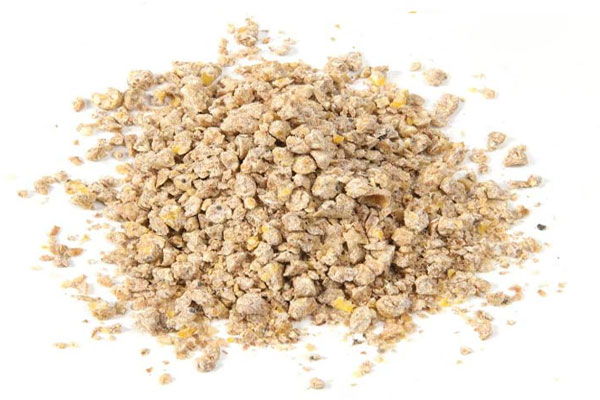 Ducks need protein for strong muscles and shiny feathers, fats for energy, and minerals to keep their bones sturdy (similar to you and me!). Protein can come from commercial feed, insects, or even kitchen scraps like finely chopped cooked eggs.
On the other hand, fats are typically derived from grains or seeds, which also provide energy they need for flapping around the pond. In addition to good ol´ protein and fat, the following vitamins and minerals are important in your ducks’ diet. Be sure to look for these vitamins and minerals among the ingredients in the feed you buy or make yourself.
Minerals
- Potassium
- Sodium
- Chlorine
- Magnesium
- Manganese
- Zinc
- Iron
- Copper
- Iodine
- Cobalt
- Selenium
Vitamins
- Vitamin A
- Vitamin D3
- Vitamin E
- Riboflavin
- D-Pantothenic acid
- Niacin
- Choline
- Biotin
- Folic Acid
- Thiamin
- Pyridoxine
- Ethoxyquin
Comparing Commercial Feeds: Pellets, Crumbles, And Mash
- Pellets: Tidy and easy to feed with minimal mess
- Crumbles: Ideal for ducklings or picky eaters
- Mash: Fine and mixable with water, though it can be messy
Feeding Red Flags: Food Toxic To Ducks
In my experience, ensuring your ducks enjoy a safe and nutritious diet is crucial for their health and well-being. While they may eagerly nibble up any foods they find, some can be harmful or even fatal. Like don’t feed those park ducks bread! When I was a kid, visiting the park and tossing bits of bread to the ducks was all the rage! But what I didn’t realize then was that bread offers ducks little to no nutritional value and can actually be harmful.
Too much bread can lead to malnutrition, digestive issues, and even a condition called angel wing, which deforms their wings and prevents them from flying. On top of that, leftover bread rotting in the water contributes to algae blooms that disrupt the entire ecosystem. So next time you feel tempted to toss a crust their way, consider bringing some chopped veggies or duck-friendly grains instead!
To prevent accidental poisoning, avoid the following:
- Bread: It’s junk food for ducks, lacking nutrients
- Avocado: Contains persin, which is toxic to birds
- Chocolate or Caffeine: Both can lead to serious health issues
- Salty or Sugary Snacks: Ducks can’t process high levels of salt or sugar
- Raw Beans: Uncooked beans contain lectins, which are toxic to ducks
- Moldy Foods: Any food that is moldy can be toxic
Medicated Feed: When To Use And Why It Matters
My local vet told me that medicated feeds are usually designed for chicks to prevent coccidiosis, a disease less common in ducks. She said that if it’s used for ducklings, be sure to monitor them closely to avoid overdosing. That being said, while medicated feed containing amprolium or other coccidiostats is safe for ducklings, it isn’t necessary for them unless they are at risk of coccidiosis.
Ducks have a naturally higher resistance to the disease, so if you have access to an unmedicated feed, that’s generally the better choice. But if medicated chick starter is all you can find, there’s no need to panic — just ensure you’re also supplementing their food with niacin, as most chick feeds don’t contain enough for proper duckling development. The key is knowing what’s in the feed, making informed choices, and maybe having a chat with your local vet.
Foraging: Encouraging Your Ducks’ Natural Instincts
Foraging is second nature to ducks. I love that it utilizes their natural instincts, which makes it great for their health and happiness. I’ve also come across some studies that foraging can significantly decrease stress, leading to a harmonious flock and homestead. Even better, as an added bonus, foraging acts as natural pest control!
Ensuring A Water-Rich Foraging Habitat For Your Ducks
 Providing your ducks with constant access to fresh, clean water is a must, as water plays a vital role in their natural habits and overall well-being. Beyond hydration, water enables effective preening, which is crucial for thermoregulation and protection against environmental elements.
Better yet, water is also the social hangout spot for ducks. Activities like swimming and communal bathing are really important to their social structure and mental health. With access to water where they can enjoy these activities, you’ll have a harmonious and stress-free environment for your flock.
The Best Pond Plants For Ducks
In my pond, I keep duckweed and wild rice, but there are plenty of options you can use to spruce yours up. Once you have water and some plants, the insect snacks will naturally follow — but usually not too many, don’t worry! Here are some excellent pond plant choices:
- Duckweed: This floating plant grows rapidly and is a duck favorite
- Water Lilies: They’re pretty and provide shelter for insects
- Cattails: These tall plants offer both food and nesting materials
- Wild Rice: A natural source of carbohydrates and protein

Homemade Duck Feed Recipes
What I love to do is to take my homemade duck feed to the next level by adding finely chopped leafy greens like kale or spinach, which are rich in vitamins. Including small amounts of brewer’s yeast can provide additional niacin, too, which is essential for healthy leg development in ducks. You can also mix in cooked and cooled lentils or peas for an extra protein boost. Just remember to introduce any new ingredients gradually to avoid digestive upset!
Creating homemade duck feed recipes is super simple and just requires basic ingredients at a 1:1:1 ratio. The best thing about these easy recipes is that there´s no baking or anything, and if you mess up the ratios, there´s no real consequence. Think of these as a trail mix for your flock.
- Grains: Cracked corn, oats, or barley
- Seeds: Sunflower seeds, bird seed blends, or wild rice seeds
- Protein: Dried mealworms or finely chopped boiled eggs
How To Grow Your Own Duck Food
If you’re an extra homesteader like me, you can use your veggie garden for their feed mixes and snacks, including:
- Peas: A delightful treat for ducks that can be easily grown in your garden
- Millet: This grain is a good source of energy and can be planted in moist areas
- Corn: Provides ducks with a yummy snack, especially in the colder months
Growing these foods ensures a fresh, organic diet for your ducks and promotes their natural grazing habits. Plus, it’s a rewarding way to connect with your pets and contribute to their well-being.
Remember, a diverse diet and environment not only keeps your ducks healthy, but also stimulates their natural behaviors, leading to a happier flock!
Feeding Practices For Different Duck Life Stages
When I first started raising ducks, I quickly learned that what works for fluffy little ducklings isn’t enough for fully grown, egg-laying birds.
It’s all about adjusting their diet to match where they are in life — whether it’s boosting protein for ducklings or adding calcium for layers. Every stage has its own quirks, and making sure your ducks get what they need can make a world of difference.
Early Duckling Stage (0-2 weeks)
Ducklings grow fast, so they need a high-protein starter feed (around 20%) to support healthy development. I recommend using a non-medicated feed that contains enough niacin (at least 25 mg per pound) to support strong legs and prevent issues like weak joints. As an occasional snack, my ducklings loved some finely chopped greens or peas as a fun, nutritious treat.
Later Duckling Stage (3-20 weeks)
Transition ducklings to a grower feed with 16–18% protein as they get bigger. If you’re using a feed with more protein than that, mixing in some rolled oats can help prevent angel wing — a condition where the wing feathers grow too fast and twist outward, making it hard for ducks to fly. You can definitely keep offering niacin through treats like peas or a supplement like brewer’s yeast.
Adult Ducks (21 weeks+)
I´ve found that once ducks reach adulthood, they do best on a layer feed that includes extra calcium to support egg production. To make sure they get enough, offer crushed oyster shells or finely ground eggshells in a separate dish — this is called “free-choice” feeding, meaning they can eat it when they need it. Adult ducks also enjoy healthy extras like mealworms, cooked rice, or fresh veggies, which add variety to their diet.
Feeding Egg-Laying Ducks
Laying ducks absolutely need a balanced diet with 16–18% protein to keep up with egg production and eggshells. Chicken layer pellets can work, but they don’t always have enough calcium for ducks, so adding a calcium supplement like crushed oyster shells helps keep their eggs (and their bones!) strong.
Special Needs for Molting Ducks
During the molting stage — when ducks lose and regrow feathers — they require extra protein. During this period, I recommend increasing their protein intake with extra mealworms, fish-based pellets, or cooked eggs.

Tips For Feeding Ducks And Chickens Together
In my experience, raising ducks and chickens together can be a rewarding experience, but it does come with its set of challenges, especially when it comes to feeding. Since I’ve had a mixed flock, I’ve figured out some practical ways to feed so both species thrive harmoniously:
Dietary Needs
Feed Selection: Opt for an all-flock feed formulated to meet the nutritional requirements of both ducks and chickens. This ensures that each bird receives the essential nutrients they need. Since laying ducks have higher calcium needs for eggshell production, provide supplemental calcium sources, such as crushed oyster shells, in a separate feeder.
Best Feeding And Watering Practices For Ducks And Chickens
Separate Feeding Stations: Ducks and chickens have different feeding behaviors. Ducks, with their larger bills, prefer open bowl feeders, while chickens are accustomed to pecking at traditional feeders. Providing separate feeding stations tailored to each species can prevent competition and ensure both have adequate access to food.
 Water Access: Ducks love their water. They use it to aid digestion and clean their nostrils and eyes.
It’s been my experience that they tend to make water sources messy, which can be problematic for chickens that prefer dry environments.
To accommodate both, offer separate waterers: a larger, deeper container for ducks and a traditional chicken waterer for chickens.
How Much Space Is Needed For Ducks And Chickens
Feeding Space: I recommend having multiple feeding stations to prevent overcrowding and bullying, especially since chickens can be territorial about food. This setup allows both ducks and chickens to eat peacefully without competition.
Coop Arrangements: Chickens prefer to perch off the ground, while ducks sleep on the ground. Designing the coop with separate areas catering to these preferences can reduce stress and ensure everyone in your flock gets along.

Duck Diet FAQs
For domestic ducks, provide access to food throughout the day, especially during active growing or egg-laying periods. Remove
uneaten food at night to avoid attracting pests.
- Will Ducks Eat Corn? Yes, ducks love corn! I’d choose cracked corn or cooked kernels for easier digestion. Avoid feeding whole, dried corn kernels to ducklings as they may choke.
- Can I Feed Ducks Bird Seed? Absolutely. Choose unsalted, additive-free bird seed blends. Black oil sunflower seeds are particularly nutritious for ducks.
- Is Wild Rice Good For Ducks? Yes! Wild rice is a natural and nutritious option that mimics what ducks eat in the wild. It’s especially good for
encouraging foraging behaviors. - What’s The Best Food For Ducks? A combination of commercial feed, foraged foods, and treats like peas, corn, and seeds provides a balanced diet. Adding seasonal fruits like watermelon (without seeds) can also make a refreshing treat.
- How Often Should I Feed My Ducks? For domestic ducks, provide access to food throughout the day, especially during active growing or egg-laying periods. Remove
uneaten food at night to avoid attracting pests.
Finding the Best Feed For Your Ducks
Providing your ducks with a balanced and nutritious diet is essential for their health and happiness. From commercial feeds to homemade mixes and natural foraging, I’ve found that you have a variety of options to choose from and cater to their needs. Be mindful of foods that are toxic, and adjust their diet based on their life stage and your flock will be thriving in no time.
Your Turn!
- What is your favorite pond plant arrangement?
- What helps promote foraging for your ducks?
What is the best thing to give them during the spring before she lays eggs?