

NAVIGATION
On my homestead, I find it highly entertaining to watch my chickens run over as fast as they can to get their chicken treats. I think we all look forward to it, and intentionally providing the best treats for my chickens that can improve their health, longevity, and happiness is one of those things that makes it worthwhile to go the extra mile.
If you’re wondering what chickens can and can’t eat, how to make some homemade treats for your chickens, what fruit chickens can eat, and what foods you should avoid, you’re hanging out with the right homesteader here. Let’s break it down.

Hi, I’m Ryan
Knowing what treats are good for chickens is especially important to me because I value the health of my hens and the quality and quantity of their eggs. That’s why I’m careful about the type and amount of chicken treats I feed them, and you should be, too!

How To Pamper Your Flock With Chicken Treats
When it comes to chicken treats, I always keep two guidelines in the back of my head:
- If it’s not good for me, it’s probably not good for them
- Everything is best in moderation
Just like humans, chickens thrive when they have a diverse diet of proteins and nutrients, and they tend to be sickly when they eat too much sugar, carbs, or “filler food.”
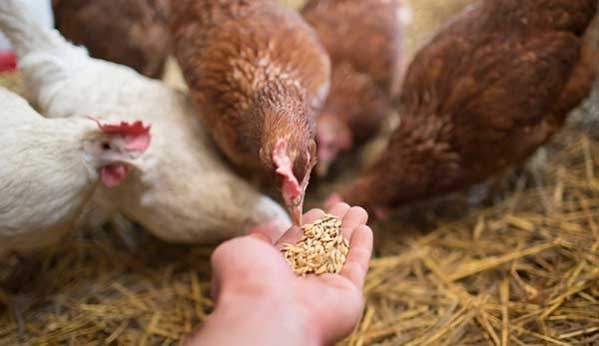 Because of this, I avoid feeding my flock chicken scratch (also known as chicken crack) because it’s mostly made up of carbs, sugars, and fats that fill chickens up without giving them any real nutrition.
Chicken scratch is a premade mixture that you can buy at the store in addition to their regular feed. It’s designed to be tossed on the ground for them to scratch around for. It’s true they may go crazy for it, but they’ll go crazy for just about any snack.
Instead, I recommend chicken treats like the ones I’ve listed below, opting for healthy fruits, veggies, grains, and proteins.
What Are The Healthiest And Best Treats For Chickens?
When left to themselves, chickens will eat a wide variety of foods, including plants, seeds, worms, bugs, small animals, birds, etc. They need and crave a balanced diet. But if you want to give them a little extra, here are some of the best treats for chickens.
| Food Groups | Examples | Why? |
|---|---|---|
| Fruits | Strawberries, blueberries, raspberries, melons, and peppers | High in antioxidants and vitamins while providing a cool, sweet treat for summer. |
| Whole Grains | Rye, wheat, oats, and barley | These provide energy for your flock, but they don’t contain a lot of nutritional value. |
| Sprouting Grains | Lentils, wheat grass, barley, sunflower seeds, red clover, alfalfa | The germination process of these grains increases their nutritional value for your birds by up to 300%. |
| Proteins | Mealworms, insects, meat, fish, peas, seeds, earthworms | Supplementing chicken feed with high-protein snacks can help keep your flock healthy and strong. |
| Vegetables | Leafy greens, carrots, peas, broccoli, sweet potatoes | Chickens can eat most vegetables (cooked and raw), and veggies give them lots of vitamins and minerals. |
No matter how healthy the treat, remember that less is more and try to switch it up. Too much fruit will give your flock too much sugar, and too much protein will cause health problems and malnutrition.
Debatable Snacks For Chickens
I know it’s a little weird, but there are actually some highly debated snacks for chickens. There’s a short list of foods that are recommended by some chicken farmers and are completely avoided by others. The truth is that there are a few vegetables, fruits, and other foods that chickens can eat only specific parts of or in very limited quantities. I have some homesteader friends who swear they’re extremely healthy for their flock when given with care. I, on the other hand, prefer to hold back on these for the most part, opting to be safe than sorry.
To avoid compromising your chickens’ health, make sure that treats (even healthy ones) only make up around 10% of their overall diet.
I avoid these foods (with the exception of tomatoes) because certain bits can be toxic for chickens. If you choose to give them as chicken treats, I suggest you take care to only give the parts that aren’t toxic. Never give these foods to your chickens if they are spoiled, and if your flock starts experiencing diarrhea, immediately stop sharing these foods altogether.
Some highly debated snacks for chickens
- Avocado flesh (no skin or pits)
- Tomatoes (these are good for chickens, but their vines and leaves are toxic)
- Yoghurt (chickens are lactose intolerant and will get diarrhea if given too much)
- White potatoes (only cooked with no skins or green parts)
Homemade Treats For Chickens
Generally, I stick to whole foods from my homestead garden and fruit trees/bushes, along with scraps from my meals, to make up the chicken treats I feed my flock. On occasion however, I do like to make homemade chicken treats, especially snacks that will occupy their time and give them something to do.
 On hot summer days, I’ll give them homemade frozen chicken blocks. I like to add lots of nutritious ingredients and whip them up with any combination of foods that I’ve recommended above, which almost always includes some oats, sunflower seeds, and barley, then add that to a freezer-friendly tray, pour water over them, and freeze this into a block they’ll peck at for hours.
You can experiment with different beneficial food combinations, but the point is that it gets hot in the summer months, so I like to give them chicken treats that will keep them happy and cool.
Another homemade treat I’ll make is a solid (non-frozen) block of treats and grains that kind of resembles a large hunk of granola. I give these to my flock in the winter to keep them occupied and moving when it’s cold. Using a binder like coconut oil (which will only really hold together in cold weather), I’ll then add some grains, fruits, herbs, spices, and chopped veggies into the mixture until it’s a solid block that will keep them busy for hours.
If you’re raising chickens on a small parcel of land or backyard where chickens aren’t able to free-range to fill in their nutritional needs, sprouting grains are an excellent treat to provide for your hens. They’re jam-packed with nutrients they’d otherwise find while scavenging.
What Should Chickens Not Eat?
While chickens can eat many of the foods we enjoy, some things we consume are highly toxic to them and should be avoided entirely. Here are the main things chickens should not eat.
Things chickens should not eat
- Moldy Foods: Mold produces fungal toxins that cause illness and egg-laying problems in chickens, turkeys, ducks, & geese.
- Uncooked, dried beans: These contain phytohaemagglutinin, which is highly toxic to humans, animals, and poultry alike.
- Chocolate: We might like this treat, but chocolate can cause seizures, vomiting, and death for poultry.
- Coffee: Anything containing caffeine is highly toxic to chickens, leading to illness and sometimes death.
- Alcohol: Don’t give any form of alcohol to your flock, as it can cause serious dehydration and sometimes death.
- Tobacco: Birds in general (including ducks, quail, chickens, and geese) have very sensitive respiratory systems, and tobacco can cause severe reactions—sometimes even death.

FAQ About Chicken Treats
Some questions about what foods chickens can eat come up again and again. Here are the two I get asked most often.
What Are Chickens’ Favorite Foods?
If you’re trying to discover your chickens’ favorite food or what they’ll enjoy the most, I honestly wouldn’t worry about the taste aspect too much. Chickens don’t have very many taste buds, and my hens get just as excited for plain old chicken feed as they do for the other healthy treats I give them—what they really love is the attention and something to do.
Chickens thrive off of their “person” coming to throw them some extra food (maybe even stooping down to hand feed them), and they will spend hours of contentment in the cold or hot months pecking away at blocked treats or treat roller toys designed to keep them occupied. Instead of focusing on taste, I suggest you focus on how nutritious your chicken snacks are.
What About Treats For Baby Chicks?
Like mature chickens, baby chicks will eat just about everything, from worms to seeds and vegetable scraps. This isn’t necessarily bad for them (chicks hatched and raised by their mothers will simply eat what their mothers are eating within a few days of hatching). By the way check out our cute chicken names post.
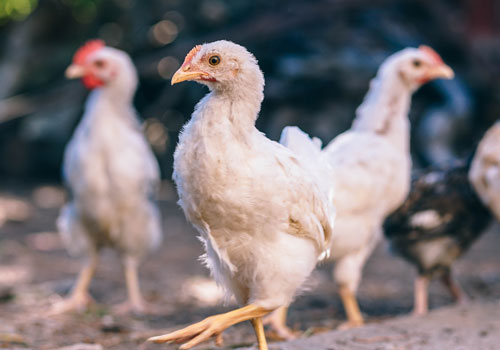 When I’m asked if young can chickens have treats, I advise waiting until your chicks are at least one month old to start incorporating any foods outside of their starter feed.
Why? Baby chicks have very small appetites, so treats for chicks can easily take away their desire to eat their nutritionally regulated feed. They won’t thrive if they aren’t filling up on a rounded nutritional diet.
Now that you know what chicken treats are healthy for your flock, I hope you can enjoy feeding and interacting with your hens with more confidence while benefiting them in the process. The best treats for chickens are whole-food, healthy snacks that we humans can eat as well!
Your Turn!
- What chicken treats do you make to keep your flock entertained for a long time?
- What benefits have you when giving your chickens treats?