

NAVIGATION
After first learning how to ferment chicken feed, I was amazed by the difference it made in my flock. With just a few servings a week, they seemed healthier and more energetic, and I saw a huge improvement in the quality and frequency of their eggs. They also got sick less often, which has consistently saved me time and money.
And while the science behind fermentation is complex, the process itself is refreshingly straightforward. This simple guide will introduce you to the basics of fermenting chicken feed, show you how it compares to traditional feed, and provide practical directions to help you get started right away. You’ll be transforming your regular chicken feed into an easy-to-digest, nutrient-dense superfood in no time.

Hi, I’m Ryan
Learning how to ferment, from sourdough bread to homemade yogurt and on to fermenting chicken feed, has become an integral part of my homestead life. At first, I was surprised to learn that my chickens appreciate and can benefit from fermented food as much as I do.

Why Take The Time To Ferment Chicken Feed?
When it comes to the question of why you should ferment chicken feed, the answer is simple: Fermenting chicken feed saves you money, improves the health and performance of your chickens, and reduces waste.
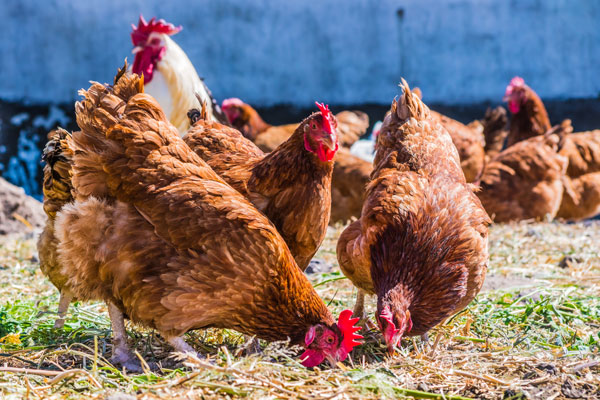
I’ve noticed a significant improvement in the vitality of my flock since I started fermenting chicken feed.
In a nutshell, fermentation is the process of using beneficial microbes to break a substance down into a simpler, more easily digestible substance.
Once your chickens consume these gut-friendly microbes, they set up shop in their digestive tracts and continue to enhance your chicks’ health for a win-win all around.

Health Benefits Of Fermenting Chicken Food
You may already know about the benefits of eating fermented foods like kimchi, yogurt, and kombucha. But did you know that they’re just as good for your chickens? Giving your flock fermented feed is similar to giving them a probiotic supplement. It stabilizes the acidity of their digestive tracts, improves their immune systems, and promotes healthy, effective digestion — basically, all the good stuff you want for your chickens.
 And the benefits just keep on giving. In addition to improving the chicken’s ability to digest feed, fermentation makes the feed itself healthier. Fermented poultry feed is more nutritionally dense, has a higher protein content, and helps increase water intake. As a result, fermented feed is linked to everything from improved egg development to healthier, more delicious meat.
But out of all the benefits, the one that made the biggest difference is that my birds are happier. Respiratory and digestive issues are less common, they have more energy for foraging, and since they prefer the taste of fermented feed over unfermented feed, it serves as both a nutritional supplement and a treat.
Is Fermenting Chicken Feed Quick And Easy To Do?
Although it might seem daunting, fermenting chicken food is surprisingly fast and easy. Most of your time will be spent waiting while the microbes handle all the work. In fact, the hardest part of the process is usually just knowing what signs to look for. But once you’ve done it a few times, you’ll be able to eyeball measurements and fly through the entire process without too much effort. I find, at this point, fermenting chicken feed only takes me 10 minutes or so of actual labor.
Does Chicken Feed Fermentation Save Money?
A lot of people are surprised to find out that chicken feed fermentation can save them money. I’ve noticed that my chickens eat about a third less when I give them fermented feed rather than regular dry feed. That means they need less fermented food to get the same nutritional intake they would have with dry feed.
And since they love the taste of fermented feed, they don’t waste nearly as much. On a regular day, when I feed them dry feed, I expect between 10% to 30% to go to waste due to spillage and scattering. But with fermented feed, pretty much nothing is left behind. They eat it all, which has led to my annual expenses shrinking by at least 25%.
How To Ferment Chicken Feed
Let’s jump into the how-to of fermenting chicken feed. The first step to any new activity is gathering all of your materials. So make sure you have the following supplies ready:
Tools and Materials For Fermenting Chicken Feed
- Non-chlorinated water
- Chicken feed
- Glass jar or food-grade bucket
- Loose-fitting lid or cheesecloth
- Wooden spoon
- Yeast (for alcohol fermentation)
Lacto-Fermenting Chicken Food
In my experience, lacto-fermenting is by far the best way to ferment your chicken feed. It creates the highest concentration of nutrients and beneficial bacteria. Plus, it’s incredibly simple and requires minimal effort on your part.
Steps To Lacto-Ferment Chicken Food
- Measure 1/3 cup of feed per chicken and pour the feed into a clean glass or BPA-free plastic container. If you’ve only got a few chickens, you can use a 32 ounce mason jar. For larger flocks, I’ve found that a 5 gallon plastic bucket works best.
- Pour non-chlorinated water into the container until the water line is an inch or two above the feed. Fermentation produces a considerable amount of carbon dioxide, so avoid filling your container to the brim. Allow for at least two to three inches of space for gas to build up.
- Cover the container with cheesecloth, muslin, or a loose-fitting lid and let it sit at room temperature for three to four days.
- Stir the ferment once a day with a wooden or plastic spoon to ensure even fermentation and prevent mold from developing on the surface.
- As days pass and the feed soaks up water, you’ll start to see the water line lower. Exposing the moist feed to the air will encourage mold growth, so make sure you keep the feed completely submerged by topping it off with water as often as necessary.
- After three to four days, microbial growth hits its peak, so drain off some of the liquid and transfer the ferment to an airtight container. Then, refrigerate and use as needed.
If you don’t have non-chlorinated water on hand, tap water will work as long as you leave it sitting out uncovered for a day. The chlorine will evaporate, leaving behind non-chlorinated H2O.
Alcohol-Fermenting Chicken Food
While I strongly prefer lacto-fermenting chicken feed, it’s not the only method you can use. Alcohol fermentation, the same process you’d use to make beer, can also transform dry chicken feed into a fermented superfood. Just be careful. It won’t take long for the feed to turn into alcohol — which is toxic to chickens. So once your feed is fully fermented, use it up within a day or two and start a new batch for later in the week.
Steps To Alcohol-Ferment Chicken Food
- Measure ¼ cup of feed per chicken, and pour it into a clean glass or BPA-free plastic container.
- Fill the container with non-chlorinated water until the water line is sitting an inch or two higher than the feed. As with lacto-fermentation, avoid filling the container to the brim.
- Add one tablespoon of nutritional yeast per cup of feed and mix well.
- Place a tight-fitting lid onto the container, and close it to make an airtight seal.
- Let the feed sit at room temperature for two days. If you don’t have a fermentation airlock, open the lid every day to stir the feed and let the gases escape.
- After two days, the ferment should be slightly fizzy and have a yeasty smell. Once you reach this point, move the finished feed to a refrigerator until you’re ready to use it.
How To Store Fermented Chicken Feed
While your feed is still fermenting, you’ll want to store it in a cool, dark space, far away from direct sunlight. I like to keep mine in my kitchen cabinet, so it’s out of the way but close enough for me to keep an eye on. Then, once the feed ferments, I transfer the fermented chicken food to an airtight container and store it in the fridge. That’ll help maintain freshness and extend the feed’s shelf life.
How Long Does Fermented Chicken Feed Last?
At room temperature, fermented chicken feed only lasts for four to five days. Putting it in the fridge will give you an extra day or two, but any longer than that, and the feed will become pungent and sour smelling. Your chickens probably won’t find it very appetizing after that point, so you’ll have to toss whatever is left over.
In comparison, dry chicken feed has a much longer shelf life. Dry feed can last as many as four months in the right conditions. So, I recommend fermenting the feed in small batches. Only ferment what you’ll need in the upcoming week so you can take advantage of dry food’s longer shelf life.
Best Practices For Chicken Feed Fermentation
Learning how to ferment chicken feed is one of the best things you can do for your homestead. Through trial and error, I’ve learned that it’s essential that you follow best practices to get the best results. That includes using distilled, filtered, or non-chlorinated water, BPA-free containers, and avoiding metal during the fermentation process. I learned keeping the equipment as clean as possible is also important. That’ll lessen your chances of contamination and ensure the ferment goes smoothly. But the single most important piece of advice I have is to simply pay attention to your ferment.
How Long Should You Ferment Chicken Feed
Fermenting chicken feed can take longer or slower, depending on your local conditions, but it usually takes three to four days. This will give the microbes enough time to break down the grains and improve their nutritional content. You’ll know your feed is ready when you start to see bubbles forming. It should also have a tart, slightly sour smell similar to yogurt, sauerkraut, or sourdough.
Can You Ferment Chicken Food Too Long?
As with any fermented food, you can absolutely ferment chicken feed for too long. The nutritional benefits of fermented feed peak after four or five days. After that, the nutrients degrade too much, making them unusable.
 Plus, fermenting too long also dramatically increases the risk of harmful mold and bacterial growth, which can make your chickens sick. If you do see mold, I would just scrap the ferment and start over.
Lastly, as I mentioned before, over-fermented feed can lead to the production of alcohol, which is extremely dangerous to chickens and can cause severe health issues like disorientation, dehydration, or — in severe cases — death.
So, if you think there’s a chance that you’ve over-fermented your feed, just throw it away. Your chickens will thank you!
How To Tell If Your Fermented Chicken Feed Is Bad
Properly fermenting feed has a fizzy, carbonated consistency, so you’ll know your feed isn’t fermenting properly if you don’t see plenty of bubbles. Other signs of expired chicken feed include a rotten or rancid smell, discoloration, visible mold, a slimy texture, and excessive frothing. But don’t worry about it too much.
As long as you keep the feed submerged in a cool, dark place, and it’s been fewer than five days, it probably won’t go bad. The good news is that even if your chicken feed goes bad, it doesn’t have to be a total waste. Just toss the spoiled feed into your compost bin to give it a dose of micronutrients and beneficial microorganisms.
How Much Fermented Food Should To Your Chickens?
Fermentation makes chicken feed more efficient, so when you switch to fermented poultry feed, you’ll notice that a little goes a long way. If your chickens typically eat 1/3 cup to ½ cup of dry feed each day, that’ll drop to just 1/3 cup to ¼ cup of fermented feed. An important note here is that when you feed your chickens, the mash should be damp — not sopping wet. So, drain some of the liquid before serving, and measure by the dry weight.
What Type Of Feed Do You Ferment For Chickens?
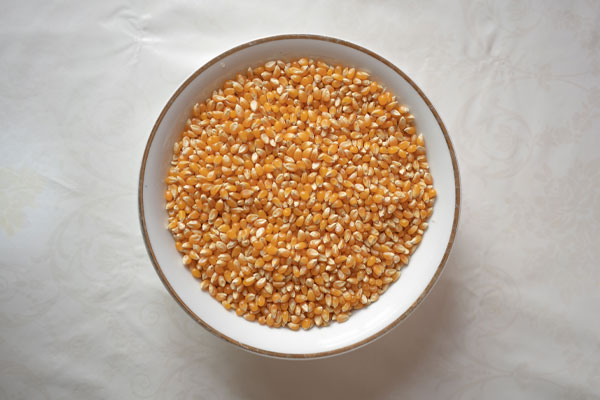
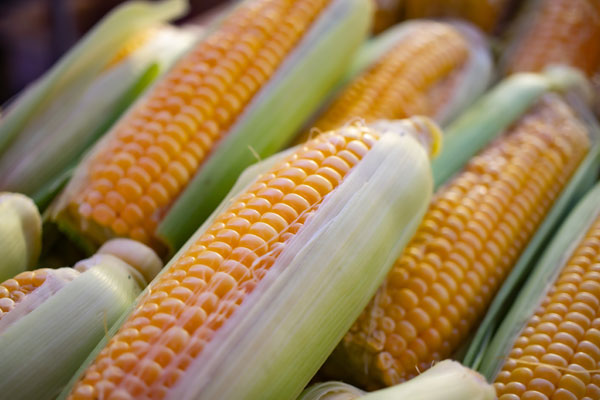
You can ferment pretty much any type of chicken feed, whether it’s in mash, pellet, grain, or crumble form. Just keep in mind that, on its own, chicken feed doesn’t contain everything your flock needs to thrive. So, in addition to commercial feed, I like to ferment two parts commercial feed with one part grains, food scraps, or whatever I have on hand. That may include:
Type Of Chicken Feed That Can Be Fermented
Can Chickens Eat Fermented Feed Every Day?
By now, you know that fermented chicken food is a fantastic addition to your chicken’s diet. While some people feed their chickens fermented feed exclusively, I find it’s best served in moderation.
It’s all about balance. Give them too much fermented feed and your chickens might develop digestive issues, like gas and bloating. They might even lose interest in fermented feed altogether, making it more difficult to get those probiotic benefits in the long run.
Ultimately, chickens do best when they eat a varied diet that includes insects, fermented feed, unfermented feed, and plenty of fresh greens. I find that feeding my chickens fermented feed three to four days out of the week strikes the perfect balance. They get to reap all the benefits without becoming bored or ill.
Dos And Don’ts Of Fermenting Chicken Feed
Fermenting your chickens’ feed is uncomplicated as long as you know what to do and — more importantly — what to avoid. So here are some of the most essential dos and don’ts to help you get the most out of your fermented feed.
Fermenting Chicken Feed Considerations
Fermenting Chicken Feed Essentials
- Do save the water from your last batch to jump-start the fermentation of the next batch.
- Do check your fermented feed daily.
- Do date your containers so you can keep track of their progression.
- Do sterilize your equipment between uses.
- Don’t add yeast or apple cider vinegar to a lacto-ferment.
- Don’t over-ferment the mash.
- Don’t feed your chickens spoiled, alcoholic, or over-fermented feed.
- Don’t use grains that were treated with pesticides.
FAQ: Fermenting Chicken Feed
Still have questions about fermenting chicken feed? Below, I’ll answer some of the questions I come across most often.
Is Fermenting Chicken Feed Worth The Effort?
I’ve spent a lot of time going over the benefits of fermenting chicken food, but there are some downsides. Fermented chicken feed spoils quickly, so you’ll have to use it within a few days to minimize waste. It also takes time and effort. That said, I still think the benefits more than outweigh the effort it takes.
What Type Of Container To Use For Fermenting Chicken Feed?
My preferred fermenting container is a sterile glass jar. Plastic is also fine, but you’ll want to avoid metals. Metals can react with the acids introduced through fermentation and leach toxic chemicals into the feed.
Can You Ferment Medicated Chick Food?
You can ferment medicated chicken feed, but doing so may make the medication ineffective. So, if your chicks are on a special diet, I recommend giving them their feed as is or talking to your vet before introducing fermented chicken feed.
Can You Ferment Feed For Other Poultry?
Quail, turkey, geese, and even ducks can all benefit from eating fermented poultry feed. One thing to take note of is that ducks need more niacin than chickens do. If you’re fermenting feed for ducks, you’ll want to supplement it with a sprinkle of dietary yeast right before serving.
There you have it! Incorporating these fermented chicken feed recipes into your chickens’ routine is an incredibly rewarding process that can improve their health and save you some cash. And since the process is super easy and not all that time-consuming, it won’t be long before you see why so many homesteaders (myself included) swear by fermenting chicken feed.

Your turn!
- Have you made any other fermented food products? If so, what were they?
- What’s your favorite type of fermented feed to give your chickens?