
NAVIGATION
I hear a lot of misconceptions about the zone 10a planting schedule, with many people falling under the assumption that you can grow anything at any time. But if you plant too early, an unexpected frost might wipe out your seedlings overnight. And if you wait too long, it is all but unavoidable they’ll be scorched by the intense summer sun.
 The reality is: gardening in zone 10a is a lot like walking a tightrope. I created this 10a planting guide because I know exactly how frustrating it is seeing months of planning and anticipation being undone by just a few days — or even hours — of extreme weather.
By using it as a roadmap, you’ll know what to plant, when to plant it, and how to protect your garden from heat, pests, and the occasional cold snap.

Hi, I’m Ryan
I love the weather in the Carolinas, but I can’t help but be a little jealous of my friends and family down in zone 10a. The sun shines year-round, and the mild winters mean the growing season never truly ends.

Where Is Zone 10a?
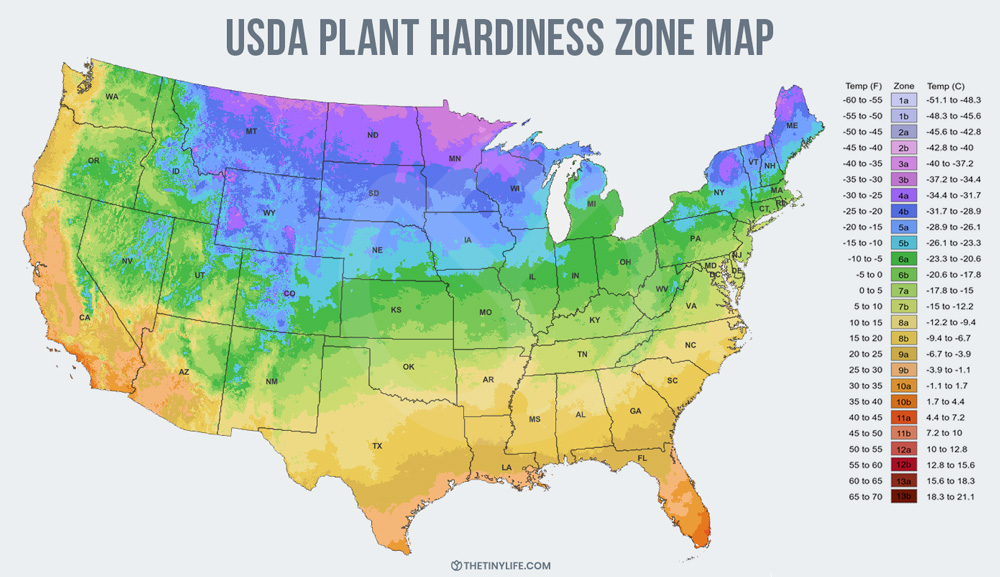
Zone 10a is a subtropical growing zone that forms a narrow band around the southernmost coastal parts of the U.S. It stretches across a few different states, including southern Florida, Texas, Nevada, Louisiana, Hawaii, and coastal California. However, it’s important to note that, while you may live in zone 10a now, growing zones aren’t always set in stone.
Charlotte was considered zone 7b for as long as I can remember — up until a few years ago, when we were bumped up to zone 8a. So make it a habit to check your zoning designation at least once a year to ensure your zone 10a planting schedule remains accurate.
Zone 10a Planting Guide
Zone 10a is a warm, welcoming area that is defined by its mild winters, hot and humid summers, and the ability to grow year-round. The coldest average temperature is between 30 degrees Fahrenheit to 35 degrees Fahrenheit , so frost is rare, but not impossible. One of the things I find most appealing about the various plants for zone 10a is that — as long as you get your timing right — you can grow pretty much anything that doesn’t require a chilling period.
Spring Gardening In Zone 10a (March To May)
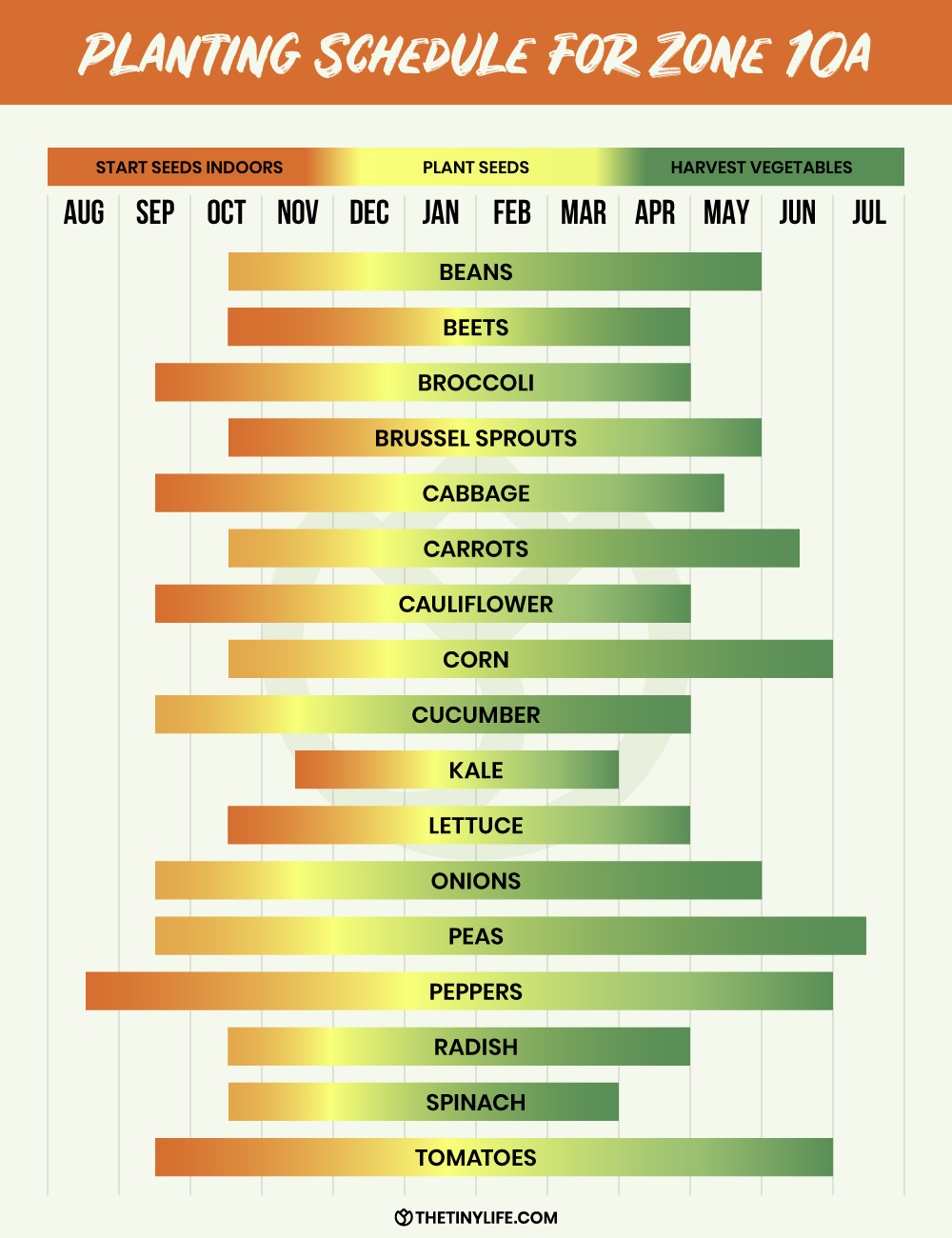
In zone 10a, spring marks a transition from balmy, winter weather into the first waves of real, summer heat. In other words, the days are getting longer, the soil is warming up, and most zone 10a vegetable planting schedules suggest switching your focus from cool-weather crops to heat-loving plants.
What To Plant: Best Plants For Zone 10a In March
- Ornamentals: Caladium, Crossandra, Gazania, Gladiola, Hibiscus, Melampodium, Zinnia
- Herbs: Basil, Cilantro, Fennel, Oregano, Parsley, Rosemary, Summer Savory
- Fruits And Vegetables: Arugula, Asparagus, Avocado, Beans, Beetroot, Cantaloupe, Carrots, Celery, Citrus (Orange, Lemon, Lime), Corn, Cucumbers, Endive, Leeks, Lettuce, Loofah, Okra, Pumpkin, Radish, Squash, Sweet Potato, Swiss Chard, Turnip, Tropical Trees (Mango, Papaya, Guava), Watermelon, Zucchini
What To Plant: Best Plants For Zone 10a In April
- Ornamentals: Cannas, Coleus, Portulaca, Vinca
- Herbs: Basil, Cilantro, Cumin, Mint, Parsley
- Fruits And Vegetables: Beans, Cantaloupe, Cowpeas, Cucumbers, Leeks, Lettuce, Loofah, Okra, Onion, Peppers, Southern Peas, Squash, Strawberries, Sweet Potato, Tomato, Tropical Trees (Mango, Papaya, Guava), Watermelon
What To Plant: Best Plants For Zone 10a In May
- Ornamentals: Coleus, Lillies, Ornamental Pepper, Salvia, Torenia, Wax Begonia
- Herbs: Basil, Cumin, Ginger, Tarragon, Turmeric, Summer Savory, Rosemary
- Fruits And Vegetables: Cantaloupe, Cowpeas, Cucumber, Strawberries, Sweet Potato, Watermelon
Common Challenges Planting In Zone 10a During Spring
- Spring weather can be inconsistent, which may impact germination and growth rates. Start seeds indoors or use row covers to protect seedlings from a sudden cold snap.
- Heat loving plants may outcompete the pre-established cool weather crops. Harvest your cool weather crops early, before the competition starts.
- As the weather warms, your crops will need more frequent waterings. This can be challenging to keep up with. Install a drip irrigation system to help streamline waterings.
- Warming temperatures mean a rise in pest and fungal infestations. Start using your preferred pest control method and prune spent or diseased foliage to help improve airflow.
Spring Planting In Zone 10a: Tips For Success
- Keep an eye out for pollinators and other beneficial insects and do what you can to ensure they stick around.
Use soil amendments, like mulch and compost, to help improve the soil’s water retention and reduce the need for frequent waterings. - Prepare for the upcoming hurricane season by checking trees and shrubs for weak branches and pruning as necessary.
Get a head start on your summer garden by planting late-blooming tropical bulbs.
Summer Gardening In Zone 10a (June To August)
From what I’ve seen, people tend to approach their summer zone 10a planting schedule in one of two ways: either they push through and mitigate the soaring temperatures as much as possible, or they take a break and pick things back up once it starts to cool down.
The reason for this is simple. Zone 10a summers are consistently hot and humid. Daytime temperatures regularly exceed the mid-90s. In other words, it’s a high-heat, high-stress climate that can push even heat-loving tropicals to their limits.
What To Plant: Best Plants For Zone 10a In June
- Ornamentals: Celosia, Coleus, Portulaca, Vinca, Palms
- Herbs: Basil, Cumin, Ginger, Savory, Tarragon, Rosemary
- Fruits And Vegetables: Cowpeas, Cucumber, Okra, Sweet Potato
What To Plant: Best Plants For Zone 10a In July
- Ornamentals: Celosia, Coleus, Gladiolus, Butterfly Lily, Ornamental Pepper, Sunflowers, Torenia, Vinca
- Herbs: Oregano, Mint
- Fruits And Vegetables: Beans, Cowpeas, Cucumber, Okra, Squash, Sweet Potatoes, Watermelon
What To Plant: Best Plants For Zone 10a In August
- Ornamentals: Coleus, Celosia, Iris, Lily, Salvia, Vinca
- Herbs: Bay Laurel, Chives, Ginger, Tarragon, Rosemary
- Fruits And Vegetables: Beans, Broccoli, Cabbage, Celery, Collard Greens, Corn, Cowpeas, Eggplant, Endive, Kale, Leeks, Lettuce, Okra, Onion, Peppers, Pumpkin, Squash, Tomatoes, Turnip, Watermelon
Common Challenges Planting In Zone 10a During Summer
- The extreme heat and prolonged high temperatures can leave your plants in rough shape. Water your garden in the early morning or evening to maximize absorption and help your plants withstand the midday heat.
- Even tropical and heat-loving plants may get burned by the sun’s intense rays. Use shade cloth and companion planting to help lessen the possibility of leaf scorch.
- Some garden pests, like aphids, thrips, and whiteflies, reproduce more quickly during warm weather. Inspect your garden regularly and use integrated pest management to keep the pest population under control.
- Frequent watering or irrigation is needed to keep up with the increase in evapo-transpiration. Install a drip irrigation system to deliver water directly to roots and minimize evaporation and runoff.
Summer Planting In Zone 10a: Tips For Success
- Pest activity picks up during summer, so be vigilant and use pest management strategies to prevent infestation.
- Summer marks the beginning of the hurricane season, so protect plants from the high winds using stakes, cages, fences, and other methods.
- Work with your climate as much as possible by selecting heat and drought resistant cultivars.
- Mulching heavily helps keep soil cool, boosts moisture retention, and helps prevent weeds.
- Use shade covers and natural shading to help protect sensitive plants from the summer sun.
Fall Gardening In Zone 10a (September To November)
By the time fall rolls around, zone 10a planting schedules to go back into full swing. The intense summer heat starts to fade, but the soil is still warm and hospitable to germinating seeds. Fall is one of the most forgiving seasons for gardening in zone 10a, so many gardeners use it as an opportunity to renew and refresh their garden beds.
And while your primary focus should be on getting your cool weather crops ready, there’s still plenty of time for transitional crops like tomatoes, peppers, and cucumbers.
What To Plant: Best Plants For Zone 10a In September
- Ornamentals: Aloe, Nasturtium, Celosia, Wax Begonia, Gladiolus
- Herbs: Basil, Chives, Mint, Rosemary, Tarragon
- Fruits And Vegetables: Beans, Beetroot, Broccoli, Cabbage, Collard Greens, Corn, Cucumber, Eggplant, Endive, Kale, Leeks, Lettuce, Mustard Greens, Onion, Peppers, Radish, Shallots, Squash, Strawberry, Tomato, Turnip, Watermelon
What To Plant: Best Plants For Zone 10a In October
- Ornamentals: Aloe, Alyssum, Agapanthus, Clivia lily, Dianthus, Impatiens, Rain Lily
- Herbs: Chives, Cilantro, Dill, Fennel, Parsley, Rosemary, Sage, Thyme
- Fruits And Vegetables: Avocado, Beans, Beetroot, Broccoli, Brussels Sprouts, Cabbage, Carrot, Cauliflower, Celery, Citrus (Orange, Lemon, Lime), Collard Greens, Corn, Cucumber, Eggplant, Endive, Kale, Kohlrabi, Lettuce, Mustard Greens, Onion, Peppers, Potato, Radish, Shallots, Spinach, Squash, Strawberry, Tomato, Turnip
What To Plant: Best Plants For Zone 10a In November
- Ornamentals: Amaryllis, Cape Daisy, Crinum, Impatiens, Strawflower, Pansy
- Herbs: Chives, Cilantro, Dill, Fennel, Parsley, Sage, Thyme
- Fruits And Vegetables: Arugula, Asparagus, Avocado, Beans, Beetroot, Broccoli, Citrus (Orange, Lemon, Lime), Gooseberry, Carrot, Cauliflower, Collard Greens, Kale, Kohlrabi, Lettuce, Onion, Peas, Peppers, Shallots, Spinach, Strawberries, Turnip
Common Challenges Planting In Zone 10a During Fall
- Shorter daylight hours can impact growth and fruiting. Prioritize crops with short maturity dates.
- Planting cool weather crops too early can lead to poor germination rates. Start seeds indoors and transplant only when the temperatures drop.
- Unlike in cooler climates where garden pests migrate or hibernate during fall, zone 10a gardeners can expect to see continued activity. Stay consistent with your integrated pest management techniques.
Fall Planting In Zone 10a: Tips For Success
- The sun may still be strong, particularly during the early fall, so keep your shade cloth handy.
- Think about turning off automatic watering systems, as plants need less water during the cooler months.
- Fertilize your garden beds to help support root development and give them a boost.
- Clean up spent garden beds by removing dead plants, weeds, pests, and damaged branches.
- Practice crop rotation to help prevent soil depletion and reduce the risk of pests and disease.
Winter Gardening In Zone 10a (December To February)
While gardeners further up north are usually packing up their tools for the year, zone 10a winter is an active growing season. Thanks to the temperate weather and a low risk of frost, many gardeners find winter to be one of the most productive times of the year.
A number of cool-weather crops do well during winter, making it an excellent time to establish your leafy greens, root vegetables, and herbs. Most things you grow will remain productive until mid to late spring, giving you plenty of time to harvest.
What To Plant: Best Plants For Zone 10a In December
- Ornamentals: Begonia, Impatiens, Geranium, Sunflower
- Herbs: Chives, Cilantro, Dill, Fennel, Parsley, Thyme, Sage
- Fruits And Vegetables: Artichokes, Asparagus, Beetroot, Broccoli, Carrots, Cauliflower, Celery, Kale, Lettuce, Onions, Peas, Peppers, Radish, Shallots, Tomatillo, Turnip
What To Plant: Best Plants For Zone 10a In January
- Ornamentals: Agapanthus, Begonia, Browallia, Clivia Lily, Crinum, Dianthus, Nicotiana, Lobelia, Sunflower
- Herbs: Cilantro, Fennel, Rosemary, Marjoram, Thyme, Tarragon, Dill, Mint
- Fruits And Vegetables: Asparagus, Avocado, Beans, Beetroot, Broccoli, Carrot, Cauliflower, Celery, Citrus (Orange, Lemon, Lime), Peppers, Collard Greens, Eggplant, Endive, Kale, Leeks, Peas, Potato, Radish, Cantaloupe, Shallots, Spinach, Strawberries, Tomato, Turnip
What To Plant: Best Plants For Zone 10a In February
- Ornamentals: Lobelia, Petunia, Pansy, Verbena, Dianthus, Strawflower
- Herbs: Basil, Borage, Cilantro, Fennel, Tarragon, Thyme, Winter Savory
- Fruits And Vegetables: Artichokes, Arugula, Avocado, Beans, Cantaloupes, Carrots, Citrus (Orange, Lemon, Lime), Collard Greens, Corn, Cucumbers, Eggplant, Gooseberries, Lettuce, Loofah, Okra, Peppers, Potato, Pumpkin, Radish, Spinach, Strawberries, Sweet Potato, Tomatoes, Tomatillo, Turnip, Zucchini
Common Challenges Planting In Zone 10a During Winter
- Although uncommon, frost can harm unprotected crops and wipe out seedlings. Use frost blankets, row covers, or lightweight blankets on cooler nights.
- Pests are generally less of an issue, but activity may continue well into the winter months. Continue regular pest inspections and remove damaged or decaying foliage to discourage pests.
- Reduced daylight hours will slow down growth, and some plants may enter facultative dormancy. Focus on growing in the sunniest part of your garden and prune overgrowth to maximize sunlight.
Winter Planting In Zone 10a: Tips For Success
- Wait for the soil to reach at least 50 degrees Fahrenheit before direct sowing.
- Now is the perfect time to order the updated catalogs from seed companies.
- In the event of frost, bring in any frost sensitive plants. If you can’t, water the soil well and cover loosely with fabric at night.
- Choose fast-growing cultivars to help compensate for the shorter days.
- Apply horticultural oil to your trees and shrubs to help control scale later in the year.

Making The Most Of The Zone 10a Planting Guide
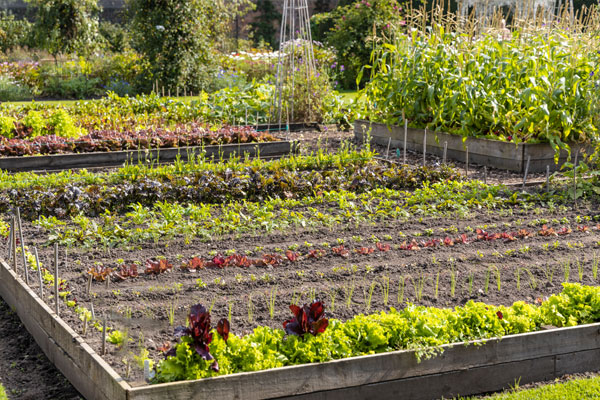 The extended summer, mild winters, and subtropical conditions found in zone 10a are a dream for gardeners in other zones, but a successful harvest comes down to more than just general growing conditions.
Each season has its own rhythm, so you’ll have to adjust your strategies throughout the year. I hope that the seasonal growing suggestions I’ve outlined in this zone 10a planting guide help you do just that!
Your turn!
- What do you love most about gardening in zone 10a?
- Which plants have become staples in your zone 10a garden?