
NAVIGATION
After I started raising Muscovy ducks and discovered their deliciously sweet and savory meat and their richly flavored eggs, I realized I needed to learn the ins and outs of Muscovy duck mating. They’re one of the most popular domesticated ducks to raise, and it didn’t take me long to see why. In addition to being beneficial to my homegrown diet, these quirky little birds have put a serious dent in my pest population. And, since they’re a lot easier on the garden than chickens, I don’t have to worry about losing as many crops.

Hi, I’m Ryan
I’ve had years of experience raising different types of poultry, but ducks are one of the most interesting. They’re hardy, easy to control during the off-season, and have delicious meat — but the complexity of Muscovy duck breeding keeps me on my toes.

It wasn’t long before I decided to tackle the task of Muscovy duck breeding, and so far, it’s been an incredibly rewarding experience. Now, I’m here to answer common questions, like when and how do Muscovy ducks mate, when do Muscovy ducks start breeding, and what are the basic requirements for success.
How To Breed Your Muscovy Ducks
One of the questions I hear most frequently is: do Muscovy ducks mate for life? Unlike swans, but similar to many other duck breeds, Muscovy ducks don’t mate for life.
 Dominant males, also known as drakes, typically mate with multiple females over the course of a single breeding season. On the other hand, female Muscovies, or hens, remain with the same partner for the entirety of the breeding season.
Aside from that, most of your efforts to encourage Muscovy duck mating will boil down to creating the right environment. You’ll want to set the right drake-to-hen ratio, give them plenty of food and water, and provide them with adequate housing. Just keep in mind that you’ll need to be careful about raising Muscovies with other duck breeds.
Although they can successfully mate with other popular duck breeds, the resulting offspring are typically infertile, which is not ideal if you want to keep breeding your Muscovies.

The Benefits Of Mating Your Muscovies
I’ll get into more details about how to breed Muscovy ducks, but first, it’s important to look at the why. The most obvious benefit of mating Muscovies is that you’ll get more ducks.
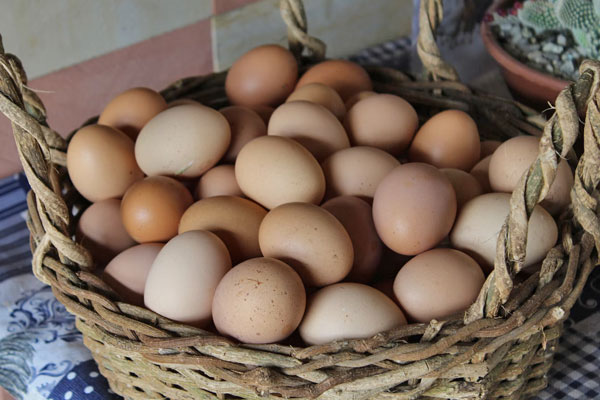 They produce a steady supply of fresh duck meat and eggs, and that’s saved me a ton of money on groceries. Also, by allowing Muscovies to reproduce naturally, you can contribute to genetic diversity and improve the health of the overall Muscovy duck population.
Another benefit is that you’ll help fulfill their natural instincts and satisfy their social needs by allowing your ducks to undergo the processes of Muscovy duck mating behavior. This can improve their overall well-being, leading to a healthier, happier flock.
For a complete understanding that will help you achieve your goals of breeding Muscovy ducks, let’s look at the basics of how Muscovy ducks mate.

Muscovy Duck Behavior During Mating Season
Overall, Muscovy duck breeding behavior is characterized by an increase in activity and aggression when compared to their behavior outside of the breeding season. Males become more territorial and hostile as they compete for females and dominance over rival males. The females may also show an increase in aggressive behaviors but to a much lesser degree than males.
 I’ve found that both male and female Muscovies consume more food during the breeding season as they use more energy engaging in courtship behaviors, and females start preparing for egg production.
Once a Muscovy male successfully courts a female, they’ll transition to mating rituals such as neck-twisting and copulation. Then, after copulation, they’ll spend some time recuperating from the physically demanding mating process. They might also attempt to mate again, although they’ll be significantly less active than they were before.
Unsuccessful males may continue to display courting behaviors, become more aggressive towards males and females, or redirect their energy toward foraging and survival. They might even form small, separate bachelor groups and start joining in group activities like foraging, preening, and swimming.
To avoid fights and injuries, I recommend keeping just one or two males in a single flock. If you need more males for a large flock, split the flock into two groups to keep the male-to-female Muscovy duck ratio low.

Male Muscovy Duck Mating Behavior
It’s important to note that male Muscovy duck behavior is unique when compared to other duck breeds in the heart of mating season.
 Despite their complex social hierarchies and highly aggressive natures, Muscovy male ducks don’t have ornate courtship displays. Instead, typical male Muscovy duck behavior consists of more subtle displays, including tail-wagging, vocalizations, and raising their crest feathers to attract mates.
And while Muscovies are normally aggressive, you’ll see a sharp increase in aggressive behaviors during the breeding season. I’ve seen them engage in more chasing, vocalizations, and posturing towards rival males to establish dominance and increase their access to females.

Female Muscovy Duck Mating Behavior
After successfully mating, female ducks will shift their focus away from breeding and instead prioritize brooding behaviors, like preparing their nests, incubating eggs, and caring for their offspring. I’ve found that female Muscovies make excellent mothers, but they may become more aggressive toward humans and other ducks as they focus on defending their nests and chicks from potential threats.

Basic Requirements For Breeding Muscovy Ducks
The requirements for Muscovy duck breeding are fairly straightforward
- Access to clean water
- A proper drake-to-hen ratio
- Adequate space
- Suitable nesting boxes

You’ll also want to offer a balanced and nutritious diet to support the health and reproductive needs of your Muscovy ducks. This should include a combination of commercial duck feed, fresh greens, grains, and an area where the ducks can forage for insects.

Be Sure You Have Adequate Space For Your Ducks
Duck space requirements are fairly flexible, but trust me, you never want to go below the minimum threshold. Insufficient space will lead to overcrowding and pose a significant risk to their health. They may injure themselves in territorial disputes or be more susceptible to disease and predation as a result of their heightened stress. Females may also lay fewer eggs or engage in destructive behaviors like feather-picking and egg-eating.

Providing Nest Boxes Is Essential
A lot of people are surprised to find out that ducks do use nesting boxes. Although similar to chicken nesting boxes, duck nesting boxes are a little larger and have lower points of entry (ducks don’t fly or climb as well as chickens). And while you want each nesting box to be roomy, avoid leaving enough space for two ducks. Otherwise, they’ll brood together and increase the risk of poor hatch rates and broken eggs.
One thing I’ve learned is that ducks are inconsistent. Sometimes, they’ll use nesting boxes, and other times, they won’t. Nevertheless, providing duck nesting boxes is better than going without them. They’ll help keep the eggs clean, reduce chances of predation, and help ensure a higher hatch rate.

Ensure You Have The Right Ratio Of Drakes To Hens
Successful mating depends on how many male ducks to female ducks you have in your flock. Ideally, you should aim to have one male for every four to six females. This ratio helps to ensure that breeding activities are evenly distributed and reduces the chances of excessive aggression in your flock.
 I find it also gives the females a better chance of successfully incubating their eggs and raising their ducklings without unnecessary stress and competition. Too many drakes with not enough hens will result in overbreeding, and the drakes will injure or possibly kill the hens by trying to mate with them repeatedly. They might also leave your homestead in search of other suitable mates.
If, during the breeding season, your female ducks exhibit signs of overbreeding (missing feathers on the back of their necks is almost always the first sign) my tip is to consider adding another one or two females to your flock as soon as possible.
What Season Is Best For Muscovy Duck Breeding?
Muscovy duck breeding season is more inclined to happen during spring and early fall months when the days are long and the temperatures are rising. In regions with temperate climates, this usually starts around March, April, or May and ends sometime in August. However, things get a little more complicated in warmer climates with mild winters.
Because the conditions are ideal year-round, Muscovy ducks can exhibit breeding behavior all year or at multiple points throughout the year. That said, you’ll probably still find that peak mating behavior occurs between spring and early summer.
If you want to avoid mating during specific times of the year, separate your male and female Muscovies until you’re ready for them to start breeding.

At What Age Can You Breed Your Muscovies?
Even after observing them for weeks, I realized it’s hard to tell the sex of Muscovy ducklings until they’re a couple of months old. Muscovy duck sexing usually occurs after eight weeks of age. Before that, there’s no sexual dimorphism (the visual differences between the males and females), and sexing Muscovy ducks is nearly impossible. Once you establish the sex of your ducklings, the female Muscovy ducks start breeding in around 27 to 28 weeks. The males take a little longer, reaching sexual maturity at about 29 weeks.
 Even if you are tempted to breed your ducks sooner, I recommend waiting until your ducks are fully mature before breeding. Mating mature Muscovies is essential to ensure the health and well-being of both the ducks and their offspring. Otherwise, breeding too early can lead to your female ducks developing health complications. It may also result in fewer eggs being laid and less successful hatch rates.
Raising Muscovy ducks isn’t too hard (especially if you’ve raised turkeys, chickens, or quail before), but Muscovy duck mating can be a bit more of a challenge. Luckily, I’ve found breeders can maximize hatch rates and improve the overall flock health by simply giving their ducks everything they need to create ideal environmental conditions and maintaining the proper drake-to-hen ratio. I hope that the insights I’ve given you today help you do just that!
Your Turn!
- What inspired you to consider raising Muscovy ducks on your homestead?
- What aspect of raising Muscovy ducks are you most excited about?
This is great info!
I’m not clear on “Once you establish the sex of your ducklings, the female Muscovy ducks start breeding in around 27 to 28 weeks”. Am I right to understand that it’s 8 weeks plus 27 to 28; 35 to 36 total?
I’d be interested to learn more about the behaviour patterns you’ve observed as well. I see a lot of head bobbing which I’ve been interpreting as strutting I’m my adolescent flock.
Thanks!