

NAVIGATION
When it comes to rural or agrarian living, three options reign supreme: hobby farms, homesteads, and farmsteads.
 All three can restore your connection to nature and help you live off the land. But that’s pretty much where the similarities end.
So, if you’re curious to find out who comes out on top in the hobby farm vs homestead debate or want to know if homestead vs farmsteads are better, I’ve got some great news.
Today, I’m going to shed some light on the differences between homesteads and farmsteads. I’ll also address how hobby farms fit into the equation so you can figure out which of the three best suits your land, lifestyle, and personal goals.
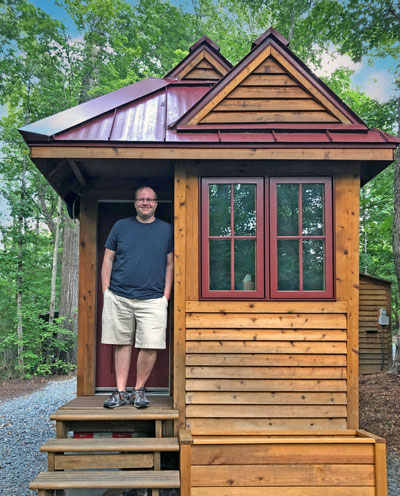
Hi, I’m Ryan
When I first started out, I was very much a hobby farmer. I was putting in an hour or two here and there during weekends. But eventually, I made the transition into full-fledged homesteading and learned that while labels are great, what’s more important is your connection to the land.

What Is A Homestead?
There are a few different definitions out there, but I’ve always thought of a homestead as a property with a dwelling, or multiple dwellings, surrounded by varying amounts of land. Beyond that, the homestead lifestyle is deeply rooted in the idea of self-sufficiency. Food production is usually centered around meeting the needs of the family or families living on the homestead, although excess crops can be sold for profit.
 Homesteads can be either on or off the grid, but many homesteaders prefer to reduce their reliance on external infrastructure. They often turn to alternative utilities, like grey water systems, solar energy, and composting toilets. The word homestead originates from the 1862 Homestead Act in which American settlers were offered as many as 160 acres of public land at little to no cost.
The only stipulation was that they lived on and improved the land for a minimum of five years. The act was meant to encourage western expansion and increase self-reliance among the population. Although it was eventually repealed in 1976, that legacy of self-reliance continues to live on through the modern homesteading movement.
What Is A Farmstead?
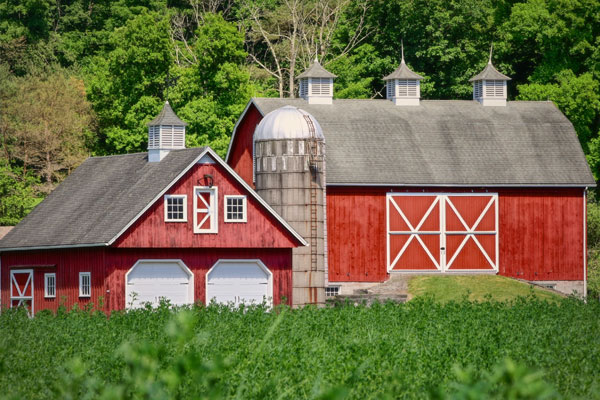
While the word farm evokes images of expansive fields, grazing cattle, and green pastures, farmstead refers to the often-overlooked buildings and structures that make up that farm. In other words, a farmstead is a collection of barns, living quarters, sheds, greenhouses, chicken coops, and processing areas in which all the farming activity takes place.
 Farmsteaders often prioritize function, productivity, and efficiency, as most farmsteads are run as commercial operations. They also don’t come with the same lifestyle implications that you find amongst homesteaders. So, while I’ve been to and lived on plenty of off-grid homesteads, off-grid farmsteads are far less common.
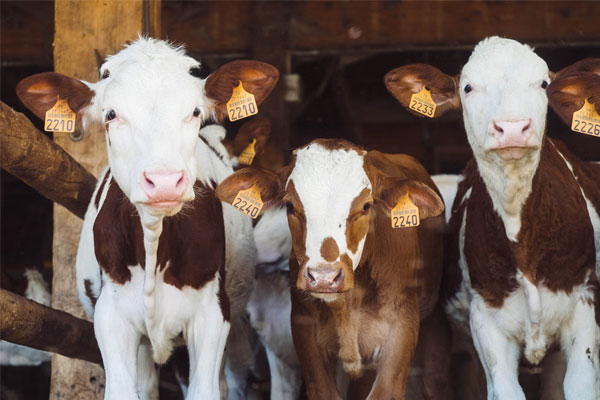
Aside from that, farmsteads can be any size and have any number of specialties. Some farmsteaders raise dairy cows while other farmsteads are home to thriving apiaries, orchards, or herb gardens. Some farmsteads even skip growing food entirely, instead focusing their efforts on cash crops like Christmas trees and ornamental flowers.
What Is A Hobby Farm?
Unlike homesteads and farmsteads hobby farms are all about personal enjoyment. Hobby farms are small-scale farming operations in which owners engage in farming activities because they find joy and fulfillment in working on the land. A lot of hobby farmers grow food, but this is done as a leisure activity rather than for survival or profit.
 While some owners may make a bit of money from their hobby farms, this income is often supplemental. Instead, the hobby farm is kept afloat by the owner’s primary income source.
Most of the hobby farms that I encounter only earn a few thousand per year, with many making substantially less. This is very much intentional, as a hobby farm earning more than that is usually reclassified as a small farm.
For-profit small farms may offer more in the way of tax benefits, but hobby farms come with fewer regulations and significantly less paperwork.
There’s no need to spend hours on bookkeeping or reporting income. Hobby farmers farm because they want to, not because they need to.
What Are The Differences Between Homesteads And Farmsteads?
It’s easy to see why homesteads and farmsteads are often thought of as interchangeable, but the truth is that the two differ in scope, function, and intent. Homesteading is essentially a lifestyle, in which self-reliance and sufficiency are at the heart of operations.
Farmsteads, on the other hand, are agricultural hubs dedicated to profitability. Farmstead is simply another way of saying agricultural infrastructure, and it doesn’t have the same association with individualistic values.
Homestead vs. Hobby Farm vs. Farmstead: Which One Is Right For You
In terms of living off the land and providing a simpler way of life, hobby farms, homesteads, and farmsteads are all viable options. However, there are subtle differences between the three that reflect vastly different values and outcomes. I’ll break down how they compare to each other below.
Homestead vs. Farmstead: Lifestyle Or Livelihood
Homesteads and farmsteads are similar in that both require your full attention, an initial monetary investment, and enough space to grow crops or raise livestock. The difference between a homestead and farmstead ultimately comes down to a matter of intent.
I gravitated toward homesteading because it places a larger emphasis on lifestyle and independence. On the other hand, farmsteads represent a more traditional approach to agriculture. In other words, homesteads are a way of life and farmsteads provide a livelihood.
So, if you only care about growing and processing enough food to feed you and your family, I think you should stick with homesteading. But, if your primary motivations are profitability and commercial growth, consider becoming a farmsteader instead.
Hobby Farm vs. Homestead: Part-Time Hobby Or Full-Time Job
To decide between a hobby farm vs homestead, you’ll want to think about your long-term goals. Hobby farms are less time intensive, making them the perfect fit for casual, weekend-only gardeners without years of experience under the belt. They offer a relatively risk-free way to learn by doing, while still allowing you to reap the rewards of a farm.
Alternatively, homesteads are the better option for anyone who wants to fully dedicate themselves to living off the land. They represent a full lifestyle change that isn’t necessarily for the faint of heart. Instead of growing some food here or there, living on a homestead means growing as much of your own food as possible and minimizing your reliance on outside help.
Next, there’s the question of access when it comes to homesteads vs hobby farms. Starting my homestead in a remote area gave me more privacy and helped me foster a deeper connection to nature, but it came with a few economic caveats. Private, inaccessible lots make it more difficult to reach potential customers in terms of both shipping costs and time.
Farmstead vs. Hobby Farm: Profit Or Passion
If your plan is to make a living from your ventures, farmsteads take the edge in the farmstead vs hobby farm debate. Hobby farms often run at a loss, with the emphasis being on experience and enjoyment rather than profitability. You won’t really be able to rely on your hobby farm as a primary source of income, or you run the risk of reclassification.
Another thing to consider when comparing farmsteads and hobby farms is the amount of time and money you want to put into caring for your property. Farmsteads often require round the clock care, expensive processing and agricultural equipment, and infrastructural investments. You may also need to invest in hired help — particularly during harvest season.
Homestead, Farmstead, And Hobby Farm FAQs
There’s a lot of overlap when discussing the differences between homesteads and farmsteads, and even more similarities come up when you bring hobby farms into the mix. These FAQs should help you navigate the world of small-scale farming and self-sufficiency.
Is A Hobby Farm Worth It?
While it ultimately depends on your long-term goals and expectations, I find hobby farms are well worth the effort. Hobby farms offer an escape from the modern grind and can deepen your connection with the land.
They also provide plenty of fresh produce, can improve your mental and physical health, and give you a sense of purpose. And although hobby farms aren’t typically a primary source of income, they can generate some revenue to help offset the costs of operation.
How Many Acres Do You Need For A Hobby Farm?
Although most hobby farms are 10 acres or fewer, a hobby farm can be as many as 50 acres or as few as a quarter of an acre. The defining characteristic of a hobby farm isn’t its size, but its purpose. So technically, a hobby farm can be as many acres as you’d like. That said, you won’t find many hobby farms over 50 acres because, at that size, they’re usually considered full-fledged small farms.
How Much Land Do You Need To Run A Self-sufficient Homestead?
There’s no magic number when it comes to homestead acreage, but to reach self-sufficiency you’ll need at least 2 to 5 acres per family. Don’t get me wrong, even at that size reaching self-sufficiency is no small task. Additionally, your ability to homestead may be limited by your terrain, lifestyle, and climate.
But overall, I’ve found that 2 to 5 strategically planned acres is more than enough room to live comfortably, grow crops, rear livestock, and set up dedicated areas for processing and preserving food.
What’s The Difference Between A Farm And A Farmstead?
Farm is an all-encompassing term that refers to a parcel of land used for agricultural purposes, such as growing crops or raising livestock. This includes any fields, orchards, pastures, and even woodlands that are used to produce food. The word farmstead, on the other hand, refers to the operational hub of a farm. The farmstead is where all of the action takes place and serves as the heart of a farming operation.
What Does The IRS Consider A Hobby Farm?
Instead of acreage or crop yields, the IRS defines a hobby farm by its purpose. So as long as your farm-related activities don’t generate a regular profit and you don’t run the operation the way you would run a business (think budgets, financial growth plans, and marketing strategies) it’s considered a hobby.
That doesn’t mean you can’t still sell your farm-fresh eggs or produce to make some income on the side. You’ll just have to treat the income as a bonus rather than the primary intention. Keep in mind this limitation also extends to taxes. Hobby farmers are limited in their ability to make farm-related deductions and write off losses.
Hobby Farm vs. Farmstead vs. Homestead: My Final Thoughts
Hobby farms, farmsteads and homesteads all represent different stopping points on the same spectrum. But at the end of the day, none of these classifications are set in stone. I’ve seen plenty of homesteaders learn the ropes by hobby farming, and I’ve seen even more go on to build robust farmsteads on their property. All that matters in the end is that your property helps bring you closer to your goals.
Your turn!
- Homestead vs farmstead vs hobby farm: which one do you prefer and why?
- What is your biggest motivation for wanting to live on a homestead, farmstead, or hobby farm?